Supreme Court Considers Firecracker Restrictions Amid Pollution Concerns
In a recent hearing, the Supreme Court emphasized a balanced approach to firecracker use, aiming to respect religious sentiments while addressing air quality issues.
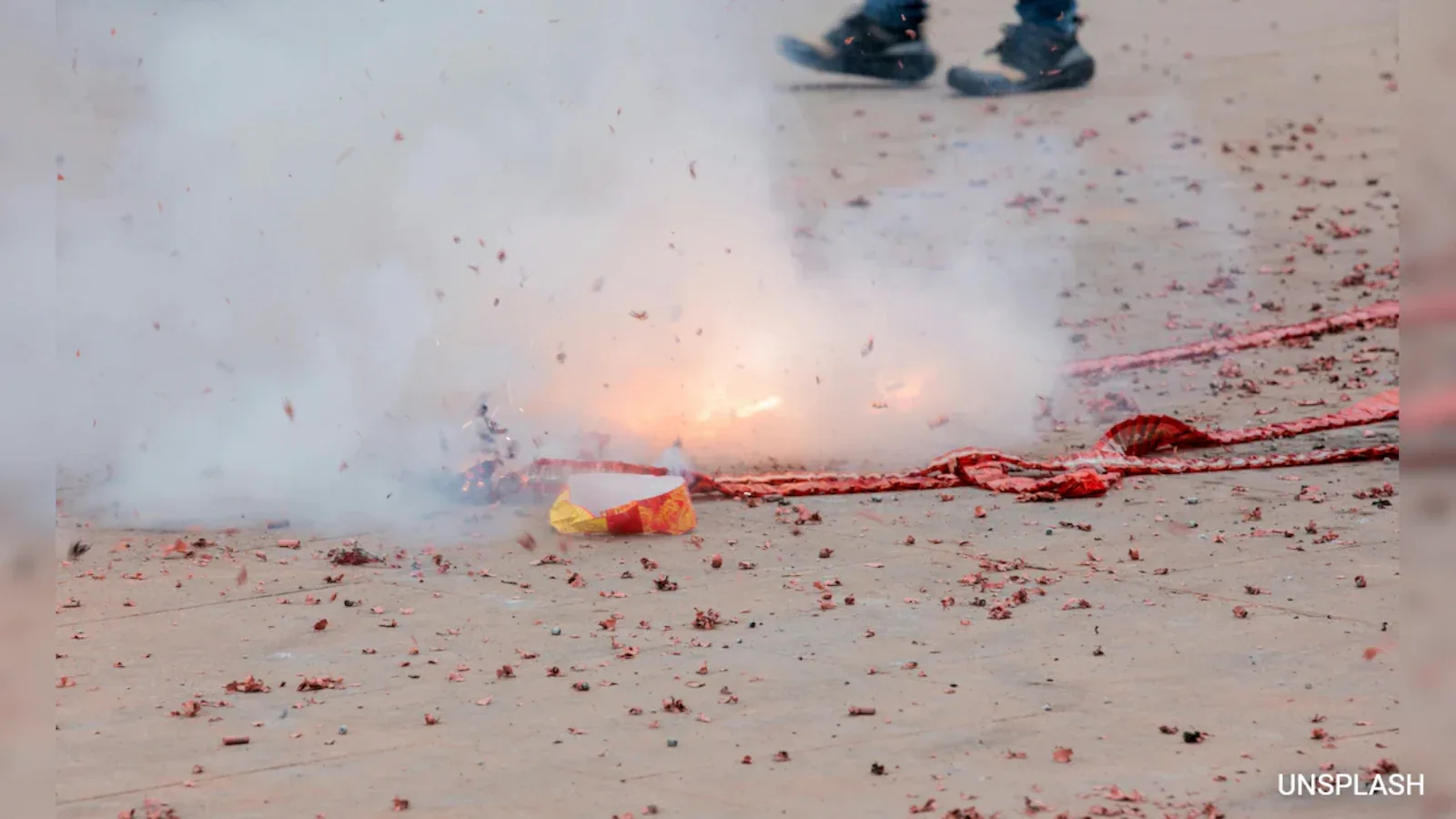
The Supreme Court is reviewing firecracker regulations in Delhi-NCR during high pollution seasons.
Chief Justice Surya Kant highlighted the importance of civic responsibility and public awareness.
A lawyer argued that firecrackers do not constitute a fundamental right to religious freedom.
The Supreme Court of India convened on Monday to discuss potential restrictions on firecracker usage, particularly in the Delhi-NCR region, where air pollution peaks during winter months. Chief Justice Surya Kant, leading the bench, stated that the court aims to adopt a 'balanced approach' that respects religious sentiments while addressing environmental concerns. The discussion is part of a long-standing case regarding the regulation of firecrackers during festivals, which often coincide with periods of severe air quality deterioration.
During the hearing, Chief Justice Kant emphasized the necessity for a practical solution, suggesting that there remains ample time to encourage public awareness about the impacts of firecracker use. He noted that citizens must understand their responsibilities in the context of air pollution and public health. The court's consideration comes amid ongoing debates about balancing religious practices with broader environmental concerns.
An attorney representing the case argued that the act of bursting firecrackers should not be considered a fundamental right linked to religious freedom. He stated that while worship is a form of religious expression, the use of firecrackers does not hold the same significance. This point was underscored by Justice Joymalya Bagchi, who questioned the connection between firecrackers and religious observance, asking, "What do firecrackers have to do with religion?"
The Supreme Court's deliberations are rooted in a 2015 ruling that established guidelines for the manufacture, sale, and use of firecrackers, particularly in light of deteriorating air quality in Delhi and its surroundings. Previously, the court had imposed a blanket ban on firecracker usage in the region but later allowed the sale of approved green firecrackers during a limited timeframe around Diwali in 2025. This latest hearing reflects the court's ongoing efforts to navigate the complexities of public health and cultural practices.
Looking ahead, the court is expected to explore practical solutions, including potential limitations on the hours during which firecrackers can be used. Additional Solicitor General Aishwarya Bhati has requested time until October 15 to submit a report from the Central Pollution Control Board regarding barium-based firecrackers, indicating that outdoor testing is still pending. The outcome of this case could significantly influence firecracker regulations in the future, balancing environmental sustainability with cultural traditions.