Student Movement Triumphs in Serbia's Snap Election, Vucic's Era Ends
The Student List secures a decisive victory, signaling a shift in Serbia's political landscape.
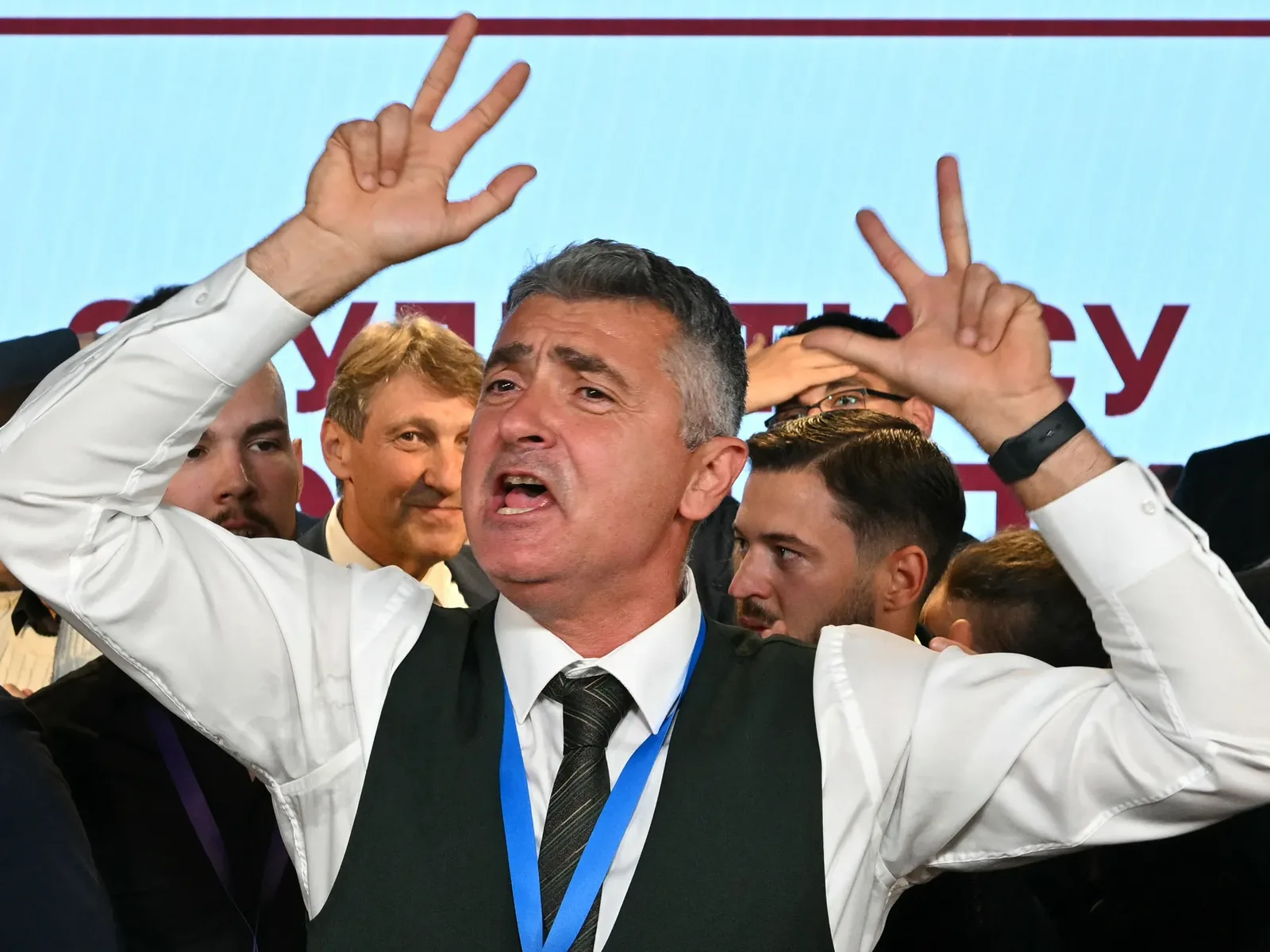
The Student List won 52.54% of the vote, allowing them to form a majority in parliament.
Voter turnout reached 68.78%, the highest in over 30 years.
Ilija Srdanovic is a leading candidate for the new prime minister.
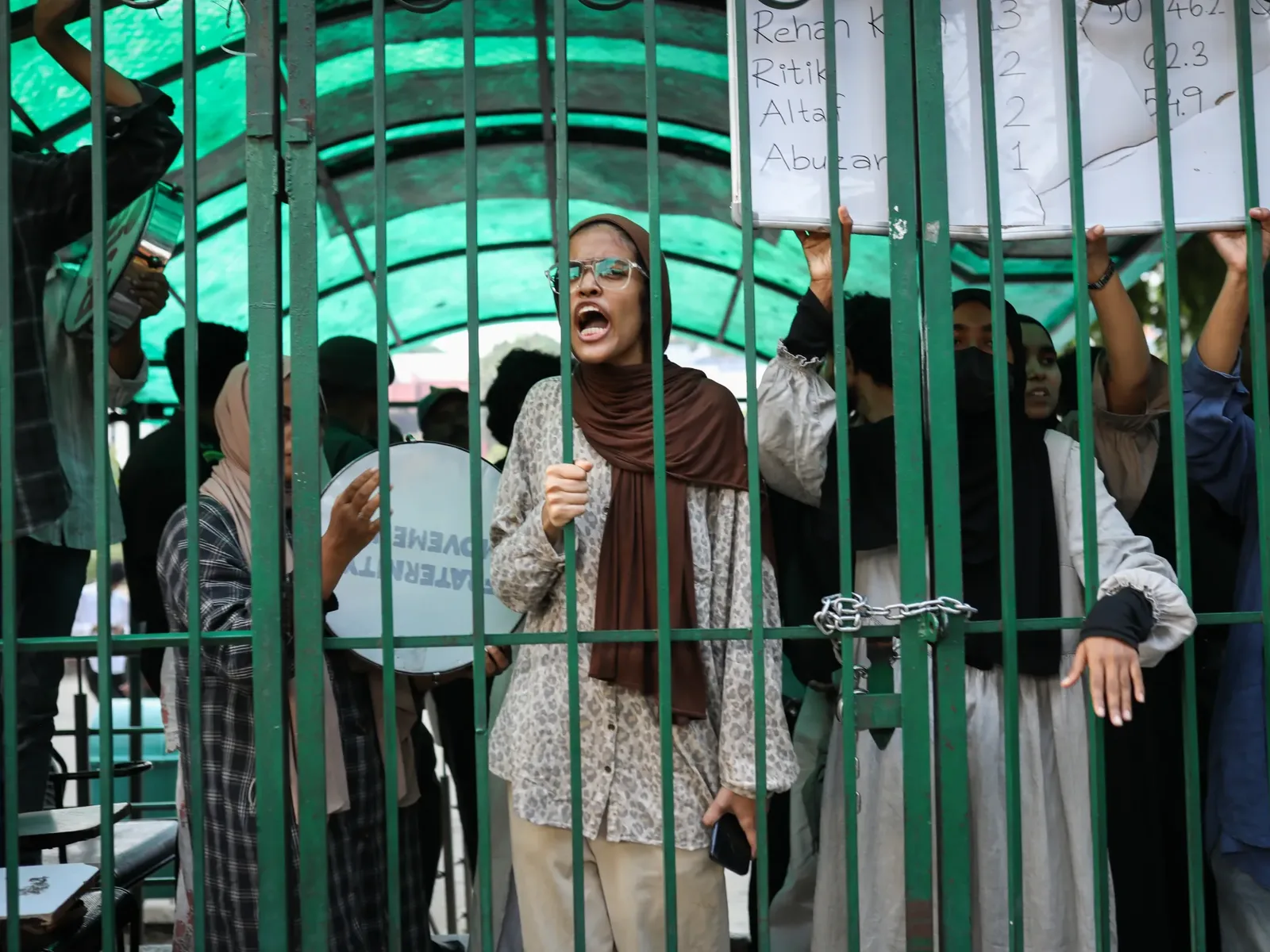
In a significant political shift, Serbia's snap parliamentary elections held on October 25, 2026, resulted in a victory for the Student List, a movement spearheaded by youth activists. This outcome marks the end of Aleksandar Vucic's long-standing dominance in Serbian politics, which has spanned over a decade. The elections were largely influenced by a series of protests initiated after a tragic incident in 2024, where 16 individuals lost their lives in a railway station canopy collapse in Novi Sad. These protests evolved into a broader campaign against corruption and the perceived erosion of democratic institutions.
The Republic Election Commission (RIK) announced that the Student List garnered 52.54% of the votes, based on results from 8,077 polling stations. The United Serbia list, led by Vucic's Serbian Progressive Party, received 39.29% of the ballots. Voter turnout was notably high at 68.78%, the highest recorded in more than three decades, indicating a significant public engagement in the electoral process. This decisive win positions the Student List to secure approximately 140 out of 250 seats in the Serbian parliament, well above the 126 needed for a majority.
Despite the Student List's success, they did not announce a specific candidate for prime minister during the campaign, focusing instead on the collective nature of their movement. However, Ilija Srdanovic, a professor of medicine, has emerged as a strong contender for the prime ministerial role. The new government formation will depend on the finalization of election results and the convening of parliament, which must occur within 30 days of the results being declared. Given their majority, the Student List is expected to avoid protracted coalition negotiations.
The political landscape in Serbia is poised for change as the Student List aims to improve relations with neighboring countries, a stark contrast to the previous administration's approach. The new government is expected to prioritize anti-corruption measures, enhance living standards, and ensure media freedom, reflecting the demands of the electorate.
As for the presidency, Vucic's resignation on September 27 has led to Ana Brnabic temporarily assuming the role. She is required to call for an extraordinary presidential election within three months of Vucic's departure, with the deadline set for December 27. The next steps in Serbia's political evolution will be closely watched as the nation transitions from Vucic's era to a new leadership paradigm.