Solicitor General Tushar Mehta Challenges Media Claims on Government Apology
SG Tushar Mehta addresses the Supreme Court, refuting claims of a government apology regarding the Delhi protests.
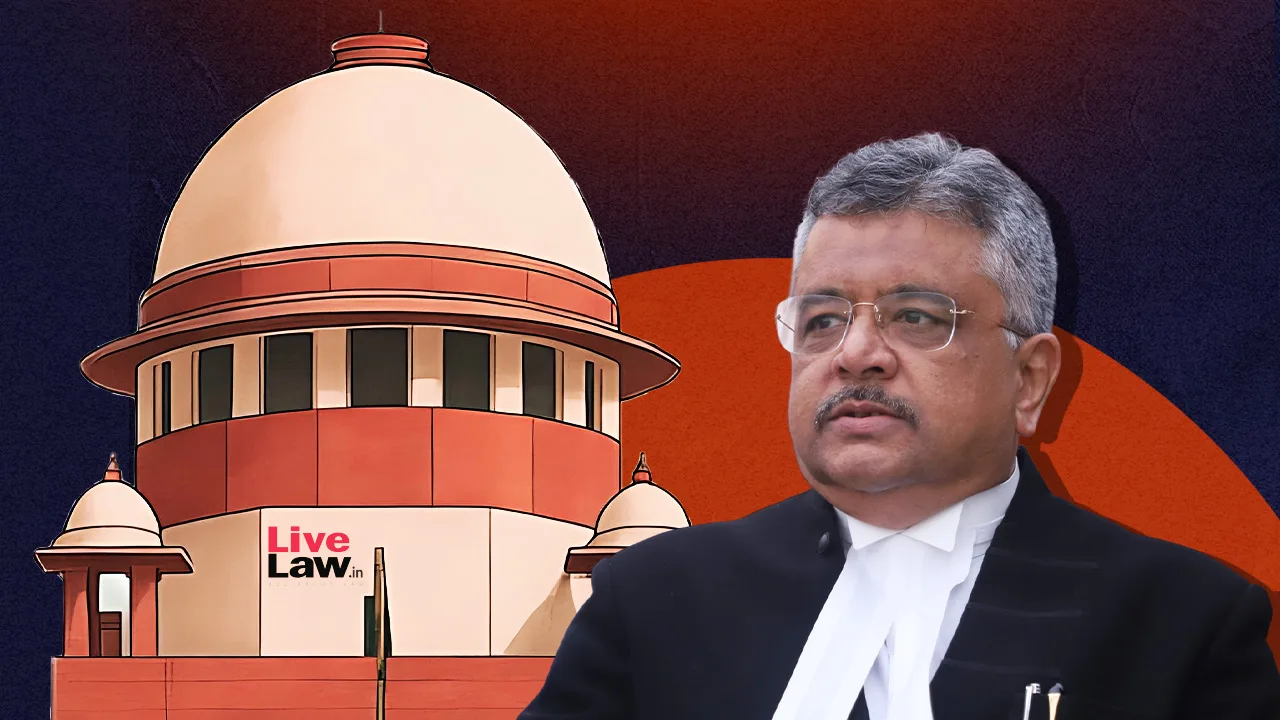
SG Tushar Mehta disputes media reports claiming the government apologized to the Supreme Court.
He clarifies that the government's statements are standard legal responses to contempt notices.
The Supreme Court judges noted they have not acknowledged the media reports mentioned.
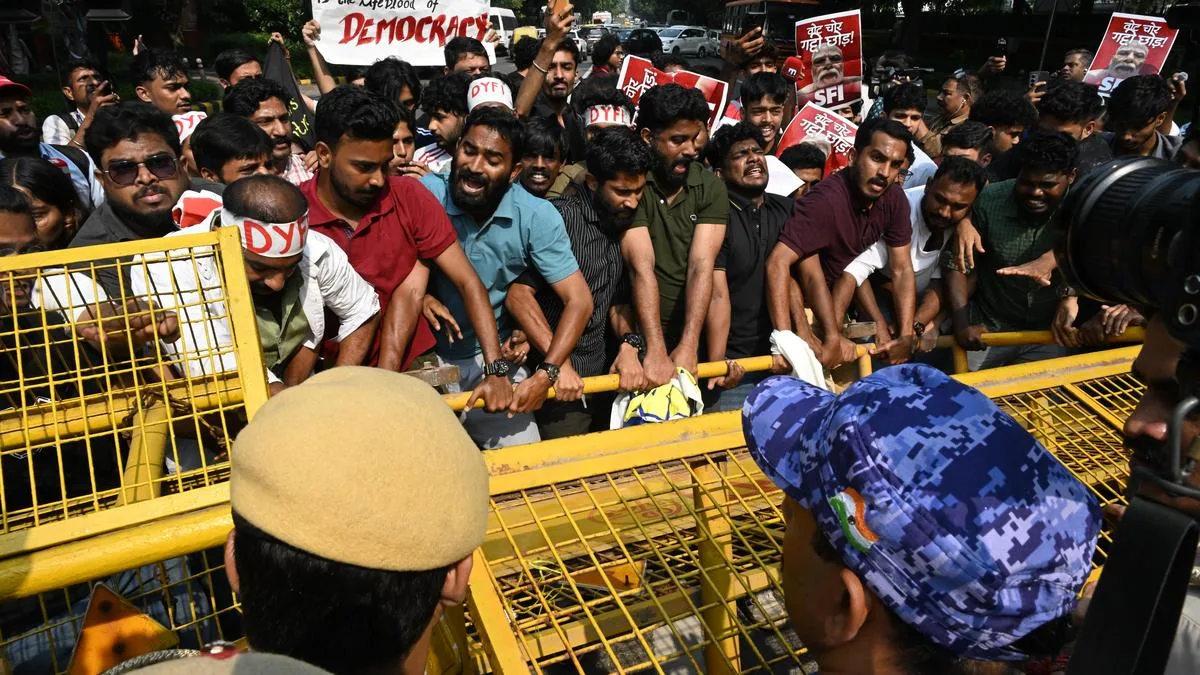
In a significant development regarding the Delhi protests, Solicitor General Tushar Mehta presented his objections to the Supreme Court today concerning various media reports that suggested the government had issued an apology for its actions. During the proceedings, Mehta emphasized that these reports misrepresented the context of the government's statements, which were made in response to contempt notices issued by the court.
Mehta explained that the affidavits submitted by the authorities included a standard legal phrase stating an 'unqualified apology.' He pointed out that this phrase is a customary legal requirement when responding to contempt notices, intended to comply with court protocols. He stated, "Whenever a contempt notice is issued, the alleged contemnor is required by law to first tender an unqualified and unconditional apology."
The Solicitor General further clarified that the media's interpretation of the government's statements suggested that it had nothing to defend, which he strongly refuted. He insisted that the government had provided a defense against the contempt allegations, and the apology was merely a procedural formality in line with legal expectations. Mehta stated, "The first paragraph is in compliance with what your lordships' law is."
During the hearing, Chief Justice Surya Kant remarked that the court had not seen the reports referenced by Mehta, indicating that they were not taking any notice of such claims. Justice Joymalya Bagchi also noted that the court was not acknowledging the reports or the nature of the apologies, highlighting that the government's response had included qualifications.
Looking ahead, the Supreme Court is expected to continue its examination of the case, focusing on the legal implications of the government's actions during the protests. The next steps will likely involve further discussions on the government's compliance with court orders and the ongoing legal proceedings surrounding the protests in Delhi.