Serbia's Snap Elections: Vucic Faces Student Movement Challenge
Serbia votes in a critical election as student protests challenge the long-standing leadership of Aleksandar Vucic.

Aleksandar Vucic faces a strong challenge from the Student List movement in parliamentary elections.
The elections follow nearly two years of protests against government corruption and repression.
Polling indicates a tight race, with Vucic's party slightly leading in some surveys.
Serbia has commenced voting in parliamentary elections that pit the long-serving leader Aleksandar Vucic against a burgeoning student movement. This election, called by Vucic himself in September, comes on the heels of extensive protests led by students demanding accountability and reform, sparked by a tragic incident in 2024 that resulted in the deaths of 16 individuals due to a collapsed train station canopy in Novi Sad.
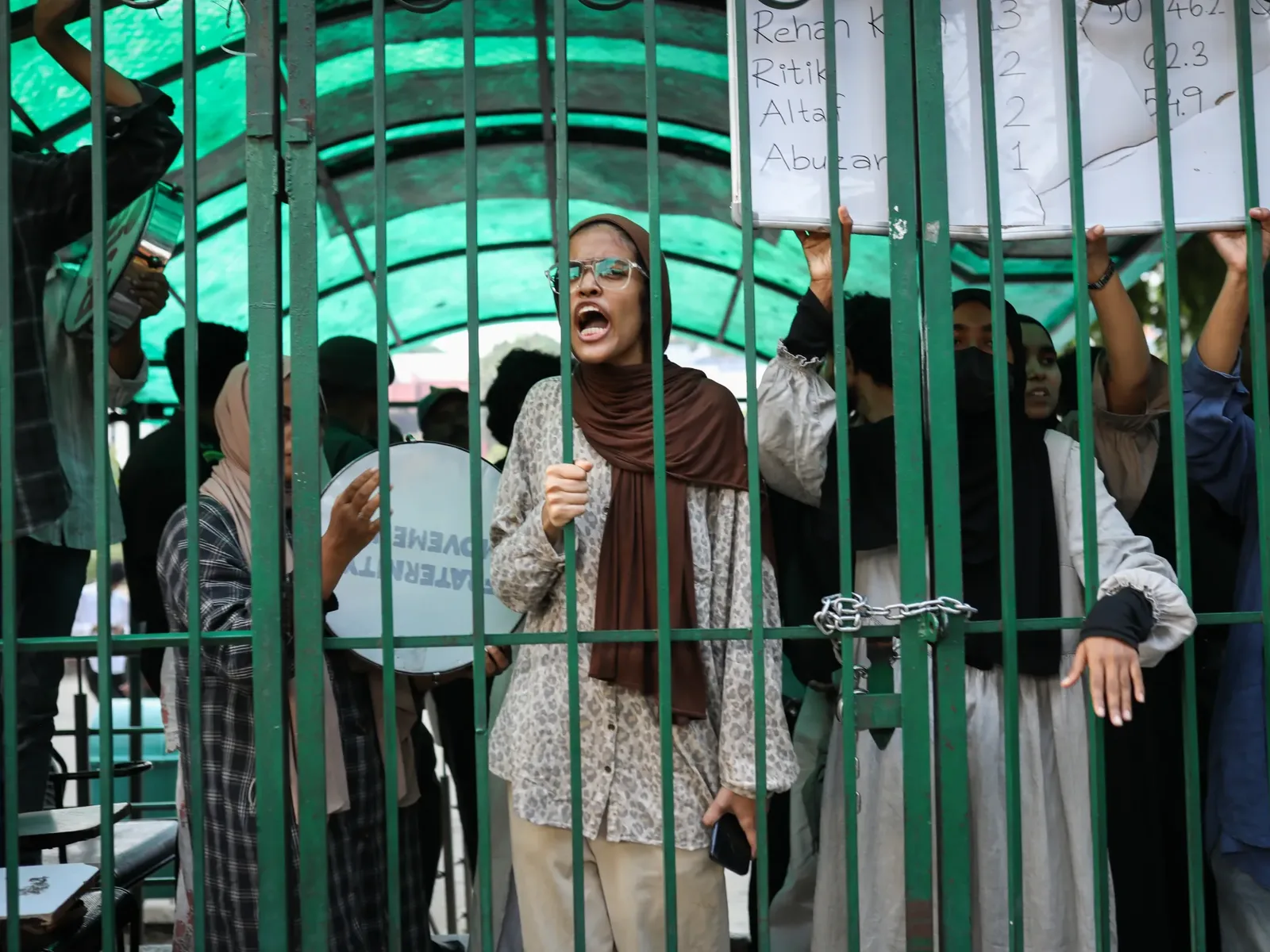
The backdrop of these elections is marked by nearly two years of demonstrations where students have accused Vucic's government of prioritizing the interests of the elite over the populace. The Student List movement, which has gained significant traction, aims to address issues of corruption and promote educational reforms. The movement's candidate roster includes a diverse group of individuals, such as university professors and actors, with cardiologist Ilija Srdanovic at the helm.
Vucic, who resigned from the presidency to contest for the prime ministerial position again, has maintained a strong incumbency. He has been credited with modernizing Serbia's economy and improving living standards. During his campaign, he promised to enhance pensions and public sector salaries while investing in healthcare. However, his administration has faced criticism for deteriorating relations with the European Union, which has expressed frustration over insufficient judicial reforms and corruption.
The implications of this election are profound for Serbia, a nation of six million. A loss for Vucic could signify a significant political shift reminiscent of recent electoral defeats in the region, such as Hungary's Viktor Orban. The Student List movement's agenda emphasizes anti-corruption and institutional rebuilding, resonating with a younger demographic that has historically been politically apathetic but is now mobilizing in unprecedented numbers.
As the polls opened at 7 AM local time, voter turnout is expected to be crucial. Opinion polls suggest a competitive race, with some indicating Vucic's Serbian Progressive Party (SNS) leading slightly over the Student List. The first results are anticipated to emerge two hours after polls close at 8 PM. The outcome of this election could reshape Serbia's political landscape and determine the future direction of the country amidst growing public discontent.