SCBA Members Challenge Rahul Gandhi’s October 12 March
Nearly 200 members of the Supreme Court Bar Association express concerns over political demonstrations affecting judicial independence.

200 SCBA members seek a resolution against Rahul Gandhi's march.
Concerns raised about indirect pressure on judges from political demonstrations.
Resolution aims to prevent future political influence on judicial proceedings.
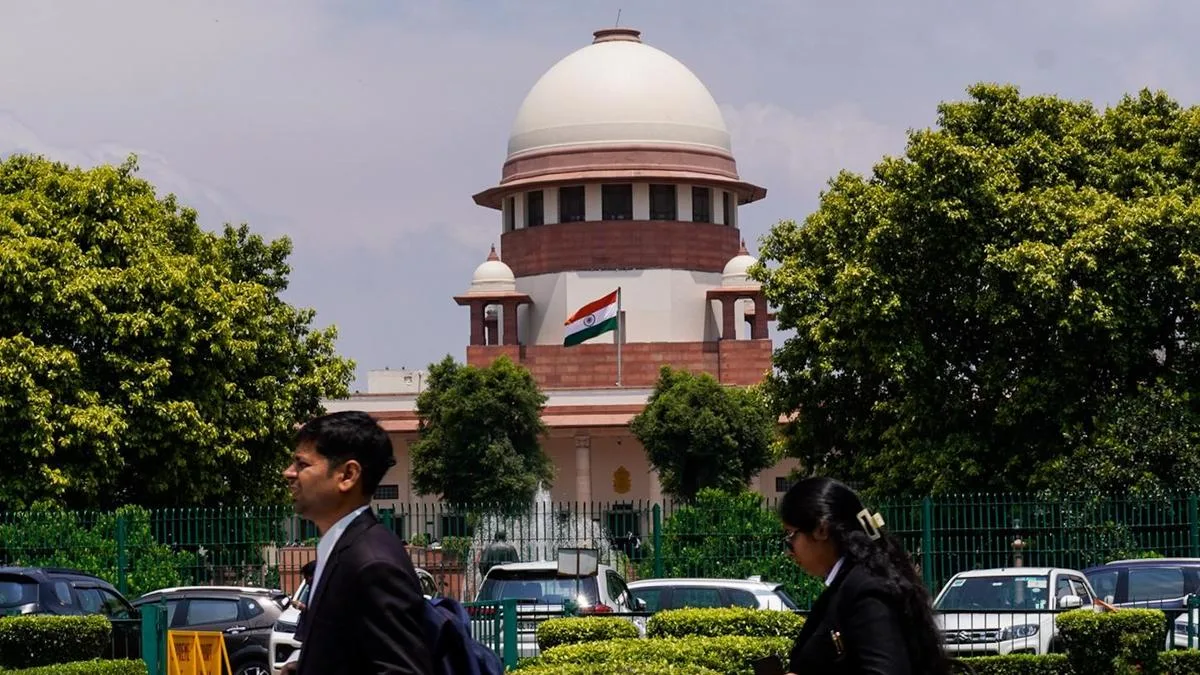
In a significant move, nearly 200 members of the Supreme Court Bar Association (SCBA) have formally requested a resolution condemning Congress leader Rahul Gandhi's march to the Supreme Court on October 12. The march, which saw Gandhi accompanied by a large number of party workers, was aimed at filing a petition against the Election Commission of India (ECI). The SCBA members argue that such displays of political strength could undermine the independence of the judiciary and exert indirect pressure on judges.
The concerns raised by the SCBA members highlight the potential implications of political mobilization in the vicinity of judicial institutions. They assert that the Supreme Court should not serve as a platform for showcasing political influence or numerical strength, as this could compromise the rule of law. The representation emphasizes that the integrity of judicial proceedings must remain untainted by political demonstrations.
Moreover, the members of the SCBA warn that allowing such practices could set a dangerous precedent, leading to similar demonstrations outside High Courts and district courts. This could further jeopardize the functioning and independence of the judiciary, which is essential for maintaining public trust in the legal system. The call for a resolution aims to ensure that all individuals and political parties are held to the same standard, thereby preventing any specific political leader or organization from being singled out.
The backdrop of this development is Gandhi's march, which has drawn attention to the relationship between political leaders and the judiciary. The SCBA's representation underscores the need for a uniform stance against any form of political pressure that could be perceived as influencing judicial outcomes. The members are advocating for a resolution that would clearly delineate the boundaries of political engagement with the judiciary, ensuring that the sanctity of legal processes is preserved.
Looking ahead, the SCBA's request for a resolution will likely prompt discussions within the association and could lead to formal actions aimed at protecting judicial independence. As the legal community grapples with the implications of political demonstrations, the outcome of this situation may set important precedents for the future interactions between politics and the judiciary in India.