India's Military Strategy: A Shift Towards Long-Range Capabilities
The Indian government is reassessing its defense needs, focusing on long-range missiles and drones in light of regional threats.
India's Air Chief emphasizes the need for more fighter jets to maintain air superiority.
The government is prioritizing long-range air-to-air missiles and anti-ballistic missile systems.
India plans to acquire advanced drones and missiles to enhance its military capabilities.
In a significant shift in military strategy, the Indian government is evaluating the necessity of enhancing its defense capabilities, particularly in the wake of recent military operations. Following Operation Sindoor, which highlighted vulnerabilities in India's aerial defense, officials are advocating for a stronger focus on long-range missiles and unmanned combat systems to counter regional threats, especially from China.
Outgoing Air Chief Marshal Amarpreet Singh has raised concerns regarding the declining number of fighter squadrons in the Indian Air Force (IAF), currently projected to fall to 30, well below the mandated strength of 42. He has called for the induction of two squadrons annually to ensure the IAF maintains its competitive edge. This situation is compounded by the advanced capabilities of adversaries like China, which possess long-range missiles and sophisticated air defense systems that could neutralize traditional fighter jets before they can engage.
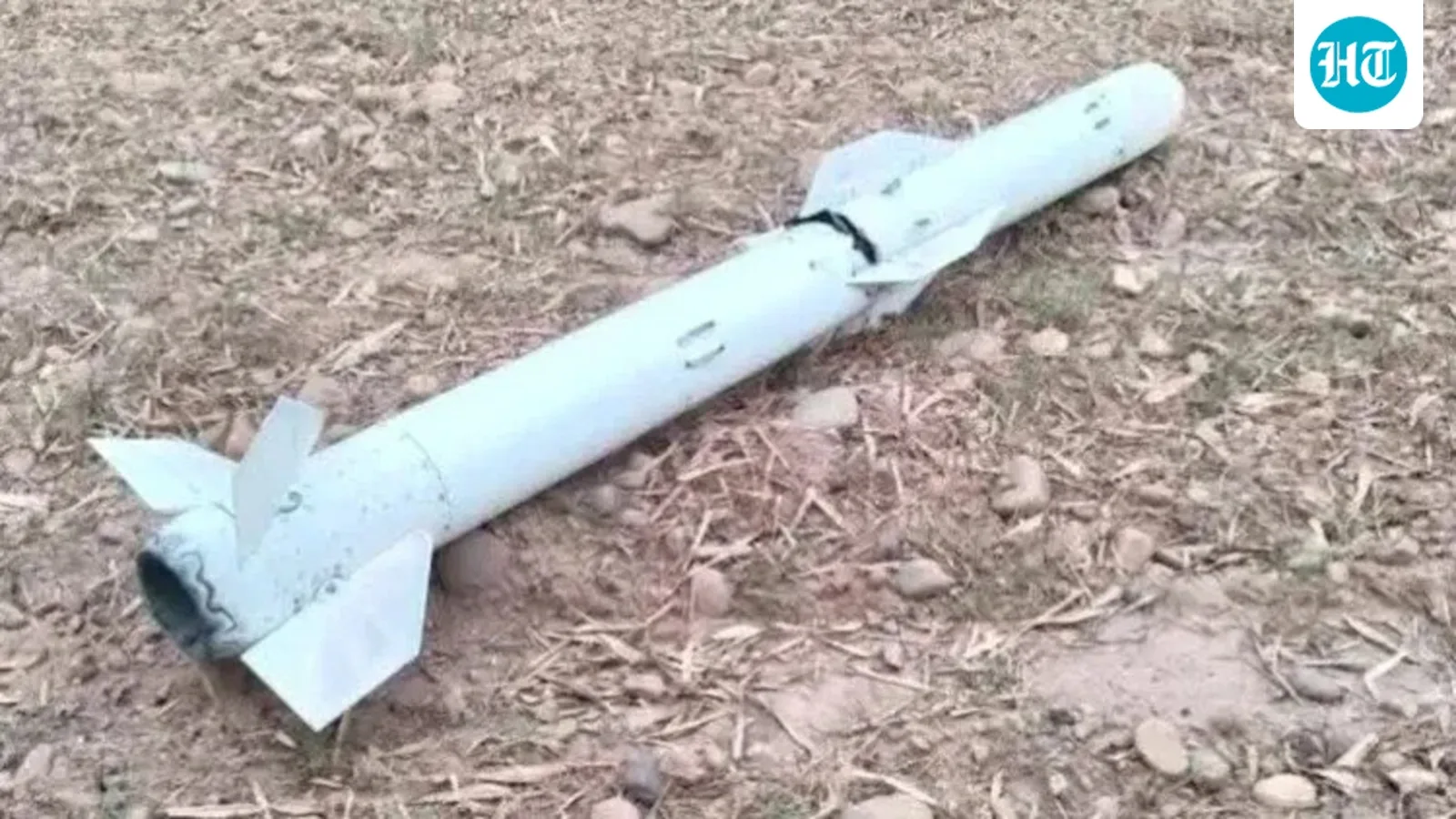
The Indian military's focus has shifted towards acquiring advanced weaponry, including Russian RVV-BD air-to-air missiles with a range of approximately 300 km, and the domestically developed Astra Mark II missile, which is expected to have a range of 200 km. Plans are also underway to integrate these systems with existing fighter jets, enhancing their operational effectiveness. Additionally, India is set to receive 31 Predator drones from the United States by 2028-29, which will significantly bolster its reconnaissance and strike capabilities.
The implications of this strategic pivot are profound for India's defense posture. As regional dynamics evolve, particularly with China's military modernization, India's reliance on traditional air combat tactics may no longer suffice. The emphasis on long-range capabilities is not just a response to immediate threats but a necessary evolution in military doctrine, recognizing the changing nature of warfare where unmanned systems and missile technology play a crucial role.
Looking ahead, India must continue to adapt its military strategies and investments to address emerging threats. The acquisition of advanced systems and the development of indigenous technologies will be critical in ensuring national security. As the defense budget remains constrained, prioritizing effective anti-ballistic missile systems and long-range strike capabilities will be essential for India to maintain its strategic advantage in the region.