Rahul Gandhi Claims Rajiv Gandhi's Security Was Deliberately Withdrawn
In a recent discussion, Rahul Gandhi alleges that the removal of his father Rajiv Gandhi's security was intentional, leading to his assassination.
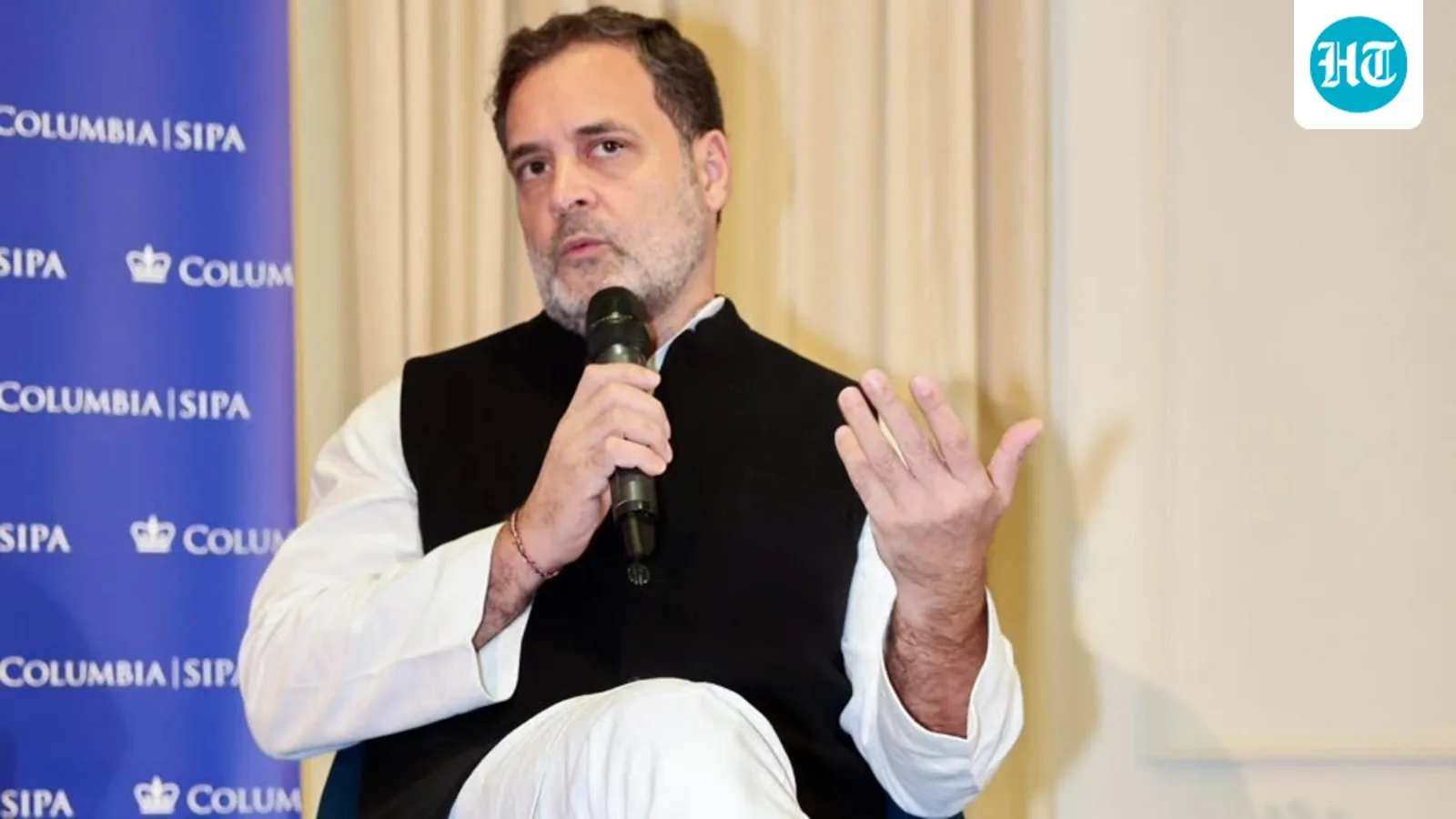
Rahul Gandhi asserts that Rajiv Gandhi's security was removed to facilitate his assassination.
The Congress party has long criticized the VP Singh government for this decision.
The SPG Act was amended post-assassination to extend security to former prime ministers.
Rahul Gandhi, the Leader of Opposition in the Lok Sabha, has made serious allegations regarding the security measures surrounding his late father, former Prime Minister Rajiv Gandhi. During a video interaction with his mother, Sonia Gandhi, and sister, Priyanka Gandhi Vadra, he claimed that the withdrawal of Rajiv Gandhi's security was a calculated move that ultimately led to his assassination. This statement revives a longstanding narrative within the Congress party that the then-VP Singh government intentionally compromised Rajiv Gandhi's safety.
The context of Rahul Gandhi's remarks stems from a trip Rajiv Gandhi took to Bihar in 1991, where he faced hostility from the public, including stone-pelting and derogatory slogans. Sonia Gandhi recounted how Rahul expressed his fears about his father's safety upon returning home, stating that if measures weren't taken, he would soon be attending his father's funeral. This experience, according to Rahul, was pivotal in shaping his views on the security lapses that led to Rajiv Gandhi's tragic death.
Rahul Gandhi emphasized that the decision to remove his father's security was not an accident but a deliberate act that created a conducive environment for his assassination. He also mentioned having confrontations with Rajiv Gandhi regarding security issues, highlighting the family's ongoing concerns about threats to his life. Priyanka Gandhi added that after the assassination of Indira Gandhi, Sonia became increasingly vigilant about Rajiv's safety, often checking security arrangements herself.
The controversy surrounding the withdrawal of Rajiv Gandhi's security has been a contentious issue in Indian politics. The Special Protection Group (SPG) was established in 1985 following Indira Gandhi's assassination, and the SPG Act was enacted in 1988 to protect the sitting Prime Minister. However, when VP Singh assumed office in 1989, he rescinded the SPG protection for Rajiv Gandhi, a decision that was heavily criticized after Rajiv's assassination in 1991. In response to public outcry, the SPG Act was later amended to ensure that all former prime ministers and their families receive security for a minimum of ten years.
The implications of these allegations are significant for the political landscape in India. They not only revive discussions about the security protocols for political leaders but also reflect ongoing tensions within the Congress party regarding historical grievances against past governments. As the political discourse evolves, Rahul Gandhi's statements may lead to renewed scrutiny of the decisions made during the VP Singh administration. Looking ahead, the Congress party may leverage these allegations in upcoming political campaigns, emphasizing the need for robust security measures for political leaders to prevent such tragedies from recurring.