Saudi Supreme Court Cancels Death Sentence for Sri Lankan Worker
The Saudi Supreme Court has annulled the death penalty for Anojan Sivarasa, a Sri Lankan migrant, over a Facebook comment.
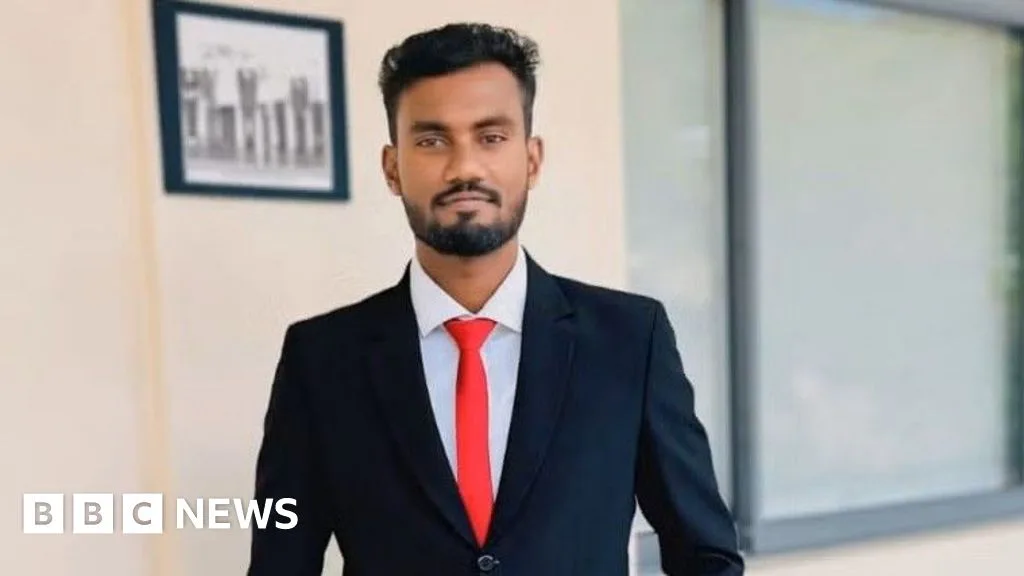
The death sentence was overturned after diplomatic efforts from Sri Lanka.
Sivarasa was initially sentenced for blasphemy related to a social media post.
Human rights groups have called for better protections for migrant workers.
In a significant legal development, Saudi Arabia's Supreme Court has overturned the death sentence of Anojan Sivarasa, a 27-year-old Sri Lankan migrant worker, who was convicted of blasphemy due to a comment made on Facebook. This decision was confirmed by Sri Lanka's Deputy Foreign Minister Arun Hemachandra, who expressed gratitude towards the authorities and legal teams involved in the case.
Sivarasa's conviction stemmed from a comment he made in response to derogatory remarks about a Hindu deity that circulated on social media in June. Following the incident, he faced severe backlash, leading to his arrest in July after Saudi officials were alerted to his post. Initially sentenced to death in September, Sivarasa's case sparked widespread concern in Sri Lanka, prompting diplomatic negotiations aimed at securing clemency for him.
The Supreme Court's ruling was announced on Wednesday, marking a pivotal moment in the ongoing discussions between Sri Lanka and Saudi Arabia. Faizer Mustafa, a Sri Lankan lawmaker involved in the negotiations, confirmed the cancellation of the death sentence and stated that the Supreme Court's latest ruling is under review. Despite the positive outcome, uncertainty remains regarding Sivarasa's current detention status and whether further legal proceedings will occur.
The implications of this case extend beyond Sivarasa's individual situation, highlighting the precarious position of migrant workers in Saudi Arabia. Human rights organizations have voiced concerns over the use of harsh laws against individuals for speech-related offenses, particularly those from vulnerable backgrounds. Joey Shea, a senior researcher at Human Rights Watch, emphasized the need for Saudi authorities to reconsider their approach to such cases.
Looking ahead, the focus will be on the next steps for Sivarasa, including potential release from detention and the broader impact of this case on the treatment of migrant workers in Saudi Arabia. As the situation develops, it remains crucial for international rights groups and Sri Lankan officials to monitor the outcomes and advocate for the rights of individuals facing similar challenges.