Russia Refutes Second Plague Case Reports Amid WHO Inquiry
Russia denies media claims of a second pneumonic plague case, urging reliance on official health statements.
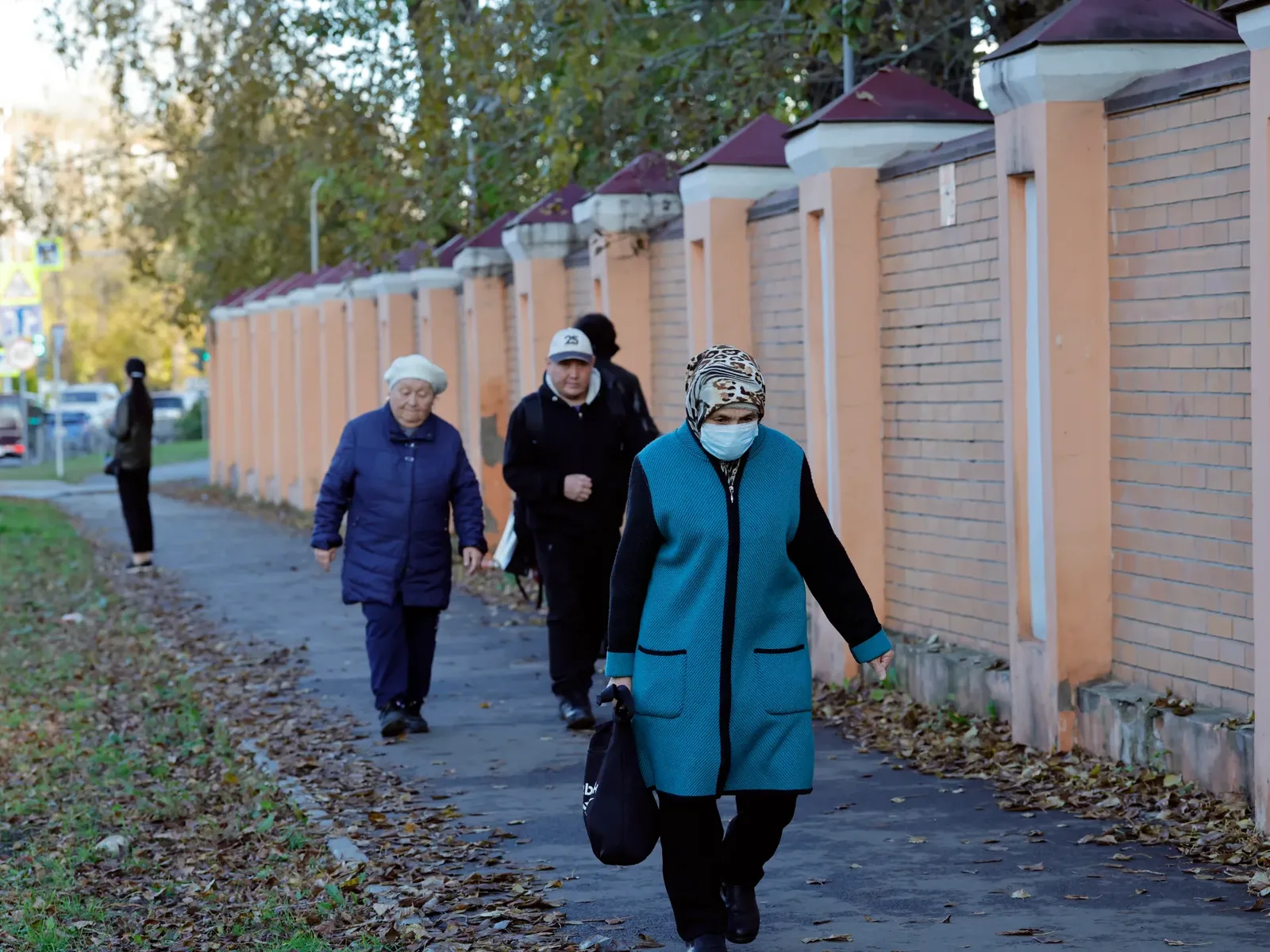
Kremlin spokesperson labels second plague case reports as false.
WHO calls for transparency and more information from Russia.
CDC assesses the risk to the US from the suspected case as extremely low.
Russia has officially dismissed media reports suggesting a second case of pneumonic plague in Siberia, asserting that such claims are unfounded. Kremlin spokesperson Dmitry Peskov stated on Wednesday that the majority of information circulating in the media about this situation is inaccurate. This response comes as the World Health Organization (WHO) has urged Moscow to provide clarity regarding the suspected cases, following the death of a lab worker from pneumonia at a plague research institute in Irkutsk.
The controversy began when it was reported that a 28-year-old female employee at the Irkutsk institute died after being diagnosed with pneumonia of unknown origin. This incident raised alarms internationally, leading to concerns that it could be linked to the plague. In light of these developments, the WHO has emphasized the need for Russia to respond to inquiries about a possible second case, as reports from various media outlets have emerged regarding another employee exhibiting similar symptoms.
In response to these concerns, Russia's health watchdog, Rospotrebnadzor, confirmed that there were no detected infections among the staff following the death of the lab worker. Peskov reiterated that any information regarding the suspected cases should come from official channels, thus casting doubt on the media reports. The WHO's Director of Epidemic and Pandemic Management, Maria Van Kerkhove, highlighted the agency's uncertainty about the causative agent behind the initial case, emphasizing the need for timely and regular updates from Russian authorities.
The implications of this situation extend beyond Russia, as the United States, European Union, and WHO have all expressed the importance of transparency. The CDC has assessed the risk to the US as extremely low, noting that they are actively monitoring travelers from the Siberian region. With direct flights between Russia and the US suspended since the onset of the Ukraine conflict, the CDC has implemented screening measures at New York's JFK Airport for incoming travelers from the affected area.
Looking ahead, the WHO continues to press for more information from Russia, while the CDC remains vigilant in monitoring the situation. The international community is awaiting further updates, particularly regarding the health of the individuals involved and the potential implications for public health. As the situation develops, the focus will remain on ensuring that accurate information is disseminated to mitigate any potential risks associated with the suspected cases.