Balendra Shah's Inaugural India Visit: A Diplomatic Reset
Nepal's Prime Minister Balendra Shah embarks on his first official trip to India, aiming to strengthen ties and address pressing issues.
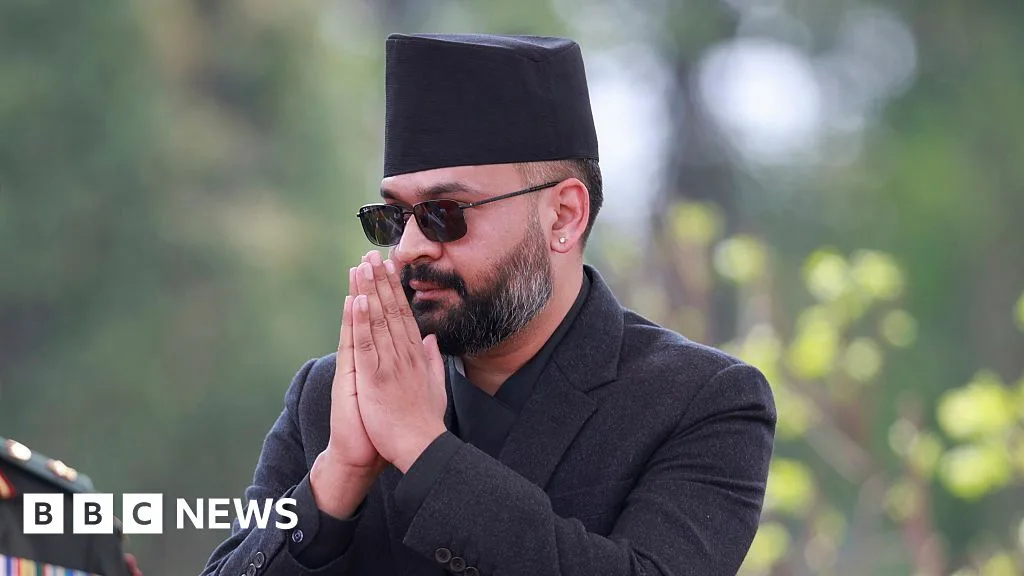
Shah's visit marks a significant diplomatic engagement following his party's rise to power.
Discussions will focus on economic cooperation, energy partnerships, and post-flood reconstruction aid.
The outcome of this visit could reshape Nepal-India relations amid historical tensions.
Nepal's Prime Minister Balendra Shah has commenced his first official visit to India, a pivotal moment for the newly elected leader and his Rastriya Swatantra Party (RSP). Arriving in Delhi on Sunday, Shah's two-day trip includes meetings with Indian Prime Minister Narendra Modi and other high-ranking officials. This visit is significant as it represents the first high-level interaction between the new political generation of Nepal and its larger neighbor, following a transformative political shift in Nepal that saw Shah's party rise to power in March 2023.
The backdrop to this visit is marked by a recent uprising in Nepal against corruption and nepotism, which led to the ousting of the previous government. Shah's administration is now tasked with addressing the aftermath of devastating flash floods in August that resulted in over 1,450 fatalities and left thousands missing. The discussions during this visit are expected to encompass a wide array of topics, including economic and energy cooperation, the establishment of new air corridors, and a reconstruction assistance package to aid recovery efforts in the flood-affected regions.
Historically, Nepal and India have shared deep-rooted ties, characterized by cultural, ethnic, and economic connections. However, the relationship has been marred by territorial disputes and perceptions of Indian dominance, which have led to tensions over the years. Analysts view Shah's visit as an opportunity to reset these relations, with a focus on development and pragmatic diplomacy rather than ideological differences. Former Indian ambassador Ranjit Rae noted that the new Nepali leadership aims to shed the political baggage of the past and prioritize economic partnerships.
The implications of this visit extend beyond bilateral relations; Nepal's stability is crucial for India's security, given its strategic location between India and China. The two countries have been competing for influence in Kathmandu, and the outcome of Shah's discussions in India could significantly impact regional dynamics. Moreover, the economic relationship is vital, with bilateral trade exceeding $9 billion, although it remains heavily skewed in favor of India, a point of contention for many in Nepal.
Looking ahead, Shah's government faces the challenge of delivering tangible results from this visit. Securing commitments from India for financial aid and reconstruction support will be critical in addressing domestic criticisms and ensuring the stability of his administration. As Shah navigates these diplomatic waters, the effectiveness of his approach will be closely scrutinized, particularly in light of his government's recent controversies and the need for a strong diplomatic stance with India.