Pakistan to Chair IMF and World Bank Boards in 2027 After 74 Years
Pakistan is set to reclaim leadership of the IMF and World Bank boards in 2027, marking its first return since 1953 amid ongoing economic challenges.
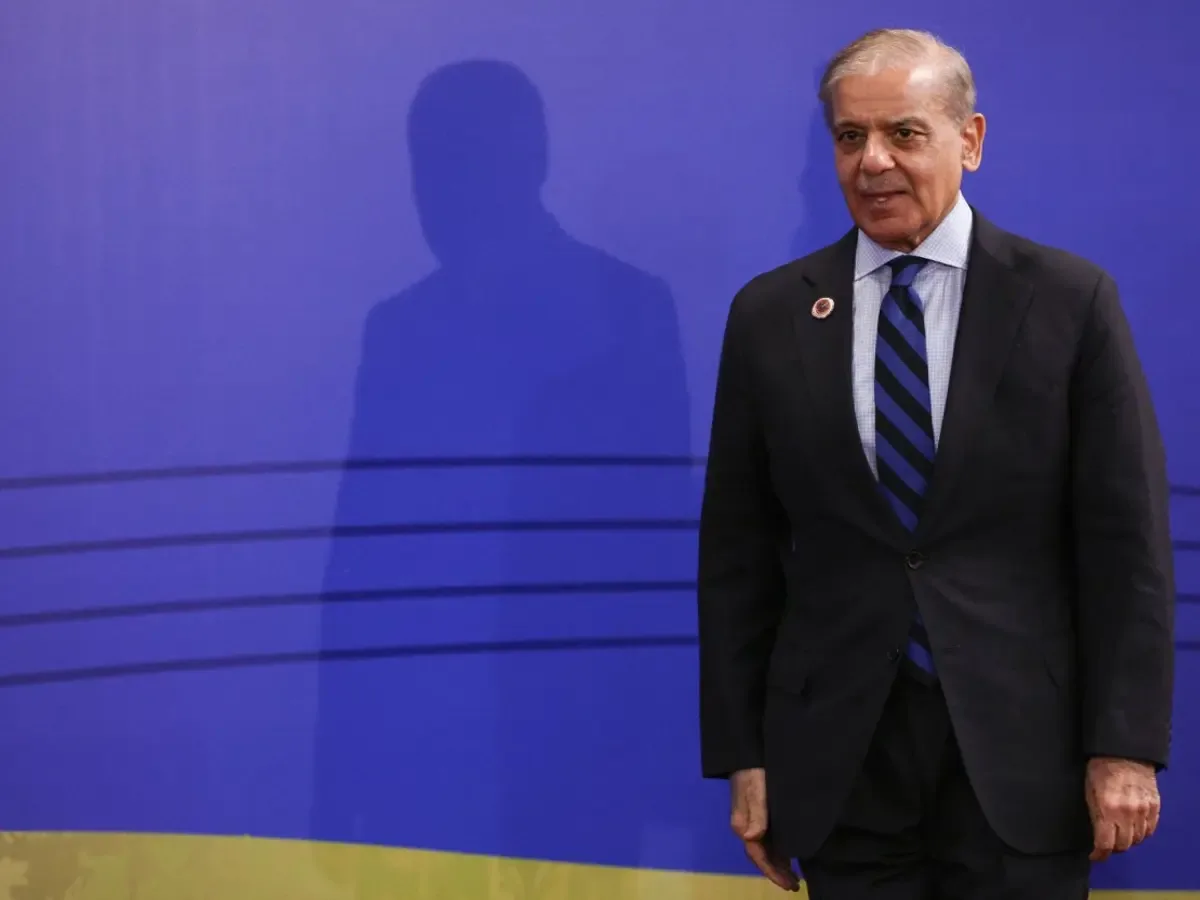
Pakistan will chair the IMF and World Bank boards starting in 2027.
The country is currently reliant on multiple IMF programs for financial support.
This appointment is seen as a significant opportunity for Pakistan to engage in global economic discussions.
Pakistan has been designated to assume the chairmanship of the boards of governors of the International Monetary Fund (IMF) and the World Bank Group in 2027, marking its first return to this position since 1953. This announcement was made during the 2026 World Bank-IMF Annual Meetings held in Bangkok, where Pakistan's Economic Affairs Minister, Ahad Khan Cheema, was appointed as the incoming chair.
The Ministry of Economic Affairs in Pakistan characterized this appointment as a "historic milestone," emphasizing that it presents an opportunity for the nation to actively participate in global economic discussions and foster dialogue among member countries. This significant diplomatic recognition comes at a time when Pakistan is grappling with severe financial pressures and relies heavily on external assistance to address its economic challenges.
Currently, Pakistan is benefiting from two IMF programs: a $7 billion Extended Fund Facility (EFF) and a $1.4 billion Resilience and Sustainability Facility (RSF). Since joining the IMF in 1950, Pakistan has entered into at least 25 loan programs, highlighting its ongoing struggles to secure adequate foreign currency to meet external obligations amid rising inflation and financial constraints. The country is also awaiting a potential additional disbursement of $1.2 billion from the IMF, contingent upon approval from the fund's Executive Board.
The Boards of Governors of the IMF and World Bank serve as the highest decision-making bodies within these institutions, with each member country represented by a designated governor, typically the finance minister or central bank chief. At the World Bank, executive directors manage most operational responsibilities, while the chair is elected during the annual meeting and serves until the next annual meeting concludes.
Looking ahead, Pakistan's leadership role in these global financial institutions could provide a platform for addressing its economic issues and enhancing its international standing. As the country prepares for this significant transition in 2027, it remains crucial for Islamabad to stabilize its economy and secure the necessary support from international partners.