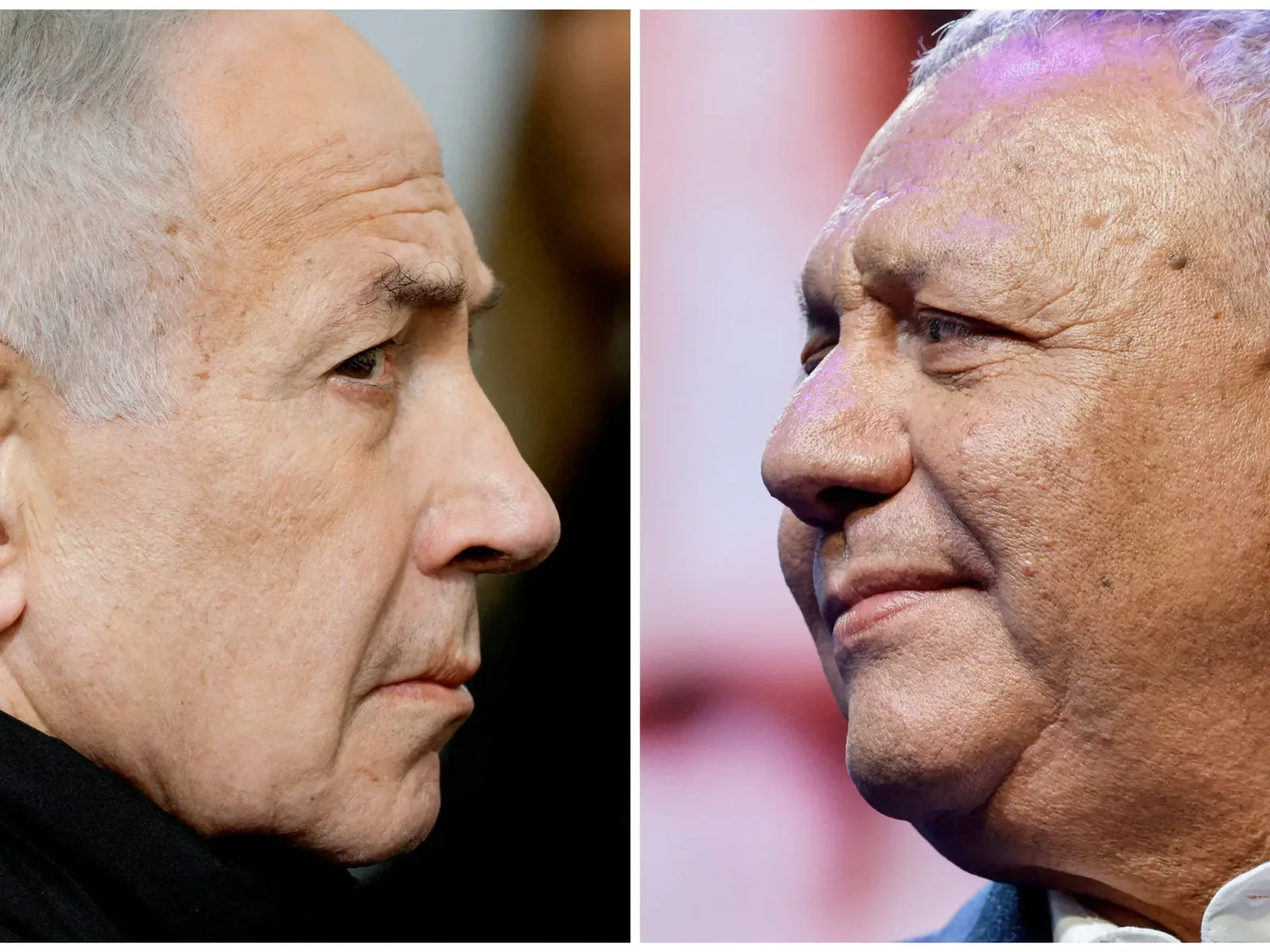
October 27 Elections: Netanyahu's Political Future at Stake
As Israel prepares for elections on October 27, Benjamin Netanyahu faces a pivotal moment that could redefine his leadership amid security concerns.

Netanyahu's coalition is projected to secure around 50 seats in the Knesset, while the opposition could gain 52-56 seats.
Gadi Eisenkot, a former military chief, emerges as a significant challenger, advocating for accountability and change in leadership.
The outcome of the elections will not only impact Netanyahu's political career but also Israel's security strategy moving forward.
Israel is gearing up for a critical general election on October 27, marking the first electoral event since the October 7, 2023, terrorist attack by Hamas. Prime Minister Benjamin Netanyahu, who has been in power for an extended period, faces a crucial test of his leadership amid ongoing security challenges and political accountability issues. The results of this election could determine whether he continues his tenure or steps down following years of conflict and domestic unrest.
In the lead-up to the elections, opinion polls indicate a tightly contested race. Recent surveys from Israel's major television networks suggest that Gadi Eisenkot's Yashar party may lead with approximately 22-23 seats, compared to Netanyahu's Likud party, which is projected to secure 19-21 seats. However, neither party is expected to achieve the 61 seats necessary for a majority in the 120-member Knesset, complicating the political landscape.
Eisenkot, who served as the chief of the Israel Defence Forces from 2015 to 2019, has positioned himself as Netanyahu's primary rival. His campaign focuses on military experience and a demand for greater accountability regarding Israel's security policies. Eisenkot criticizes Netanyahu's handling of the October 7 attack, which resulted in significant loss of life and raised questions about the government's preparedness and intelligence failures. Calls for an independent inquiry into the attack have been met with resistance from Netanyahu, who faces ongoing legal challenges related to corruption.
The implications of this election extend beyond Netanyahu's political fate. The results could reshape Israel's approach to security, particularly concerning Iran, which has been a focal point of Netanyahu's campaign. He argues that military operations against Iran have bolstered Israel's security, despite critics pointing to the potential long-term consequences of such actions. The relationship with the United States remains a critical factor, as Netanyahu seeks to balance domestic political pressures with international expectations regarding military strategy.
Looking ahead, the election results will not only influence Netanyahu's political survival but also set the tone for Israel's future security policies. With a divided opposition and significant public concern over accountability, the upcoming vote is poised to be a defining moment for the nation. As the election date approaches, all eyes will be on how the electorate responds to the pressing issues of security and leadership in Israel.