Netanyahu's Likud Party Alleges Election Fraud Amid Majority Loss
Israeli Prime Minister Benjamin Netanyahu's party claims election interference as results show a significant loss of parliamentary seats.
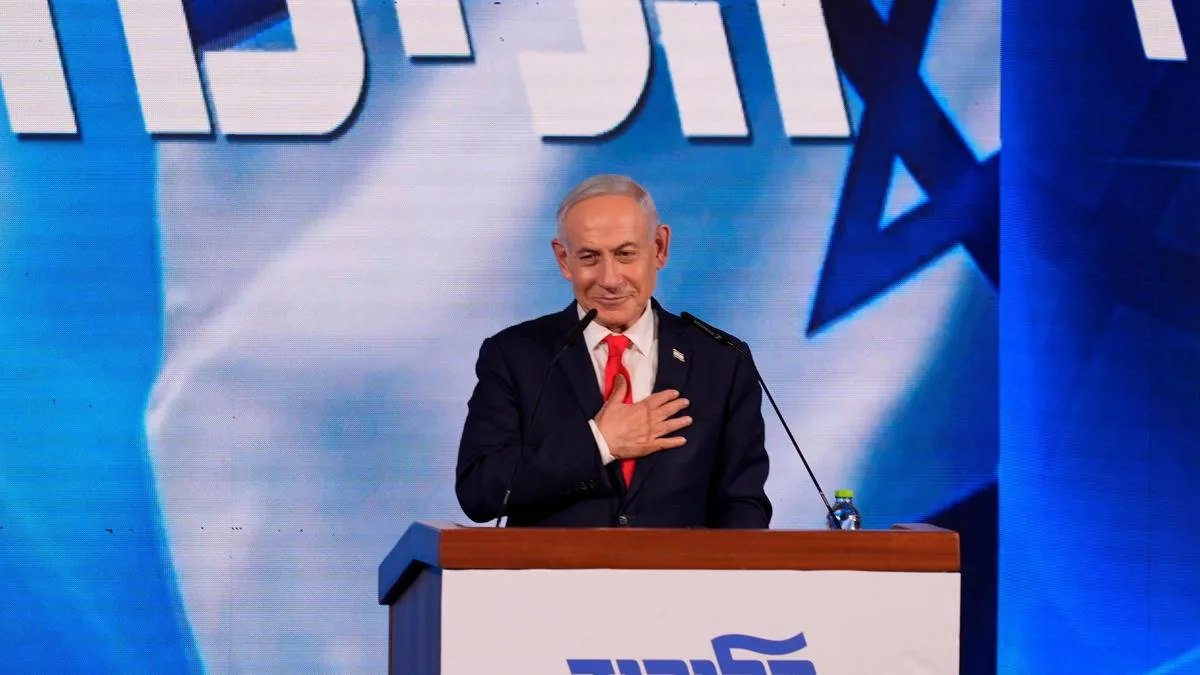
Netanyahu's bloc won only 53 seats, down from 68 in the previous parliament.
Allegations of election fraud target Arab-led parties, with calls for investigation into foreign interference.
Potential for a coalition government between opposition and Arab parties could reshape Israeli politics.
Israeli Prime Minister Benjamin Netanyahu's party, Likud, has intensified claims of election fraud following the recent parliamentary elections, where final results revealed a significant loss of seats for his bloc. On October 29, 2026, the election commission announced that Netanyahu's coalition secured only 53 out of 120 seats in the Knesset, a sharp decline from the 68 seats held previously. This outcome has raised concerns over the legitimacy of the election, particularly as Arab-led parties made historic gains, winning 19 seats.
The backdrop to these allegations involves a politically charged atmosphere where Netanyahu's party has accused Arab parties of 'stealing' the election, suggesting foreign interference may have played a role. The opposition has countered these claims, accusing Netanyahu of attempting to delegitimize the electoral process and demonize Arab citizens. Former military chief Gadi Eisenkot, a leading opponent, criticized Likud's narrative, asserting that it stems from their electoral defeat.
As the election results await certification, the head of Israel's election committee, Justice Noam Sohlberg, noted that serious suspicions of foreign involvement had been raised but could not be substantiated. In response, Netanyahu's party issued a statement claiming the elections were 'stolen' without providing evidence, further inflaming tensions. The Shin Bet security agency has been tasked with investigating these claims, although it emphasized that the integrity of the election results remains intact.
The implications of these developments are profound for Israeli politics. If opposition parties, including Arab-led factions, unite, they could potentially form a majority government, challenging Netanyahu's long-standing leadership. This scenario raises questions about the future of governance in Israel, especially given the historical context of Arab parties being marginalized in political coalitions. The election commission has warned against unfounded allegations that could undermine public trust in the democratic process.
Looking ahead, the political landscape remains uncertain as parties navigate coalition-building efforts. Netanyahu's continued leadership is at stake, with the possibility of facing corruption charges if he loses power. Meanwhile, Arab parties are poised to play a crucial role in shaping the next government, potentially altering the dynamics of Israeli politics. The deadline for certifying election results is November 4, and the coming weeks will be critical in determining the future direction of the Knesset.