Nepal Secures $1.6 Billion Economic Package from India
During his inaugural visit to India, Nepal's Prime Minister Balendra Shah secured a significant economic support package amidst efforts to strengthen bilateral ties.
$1.6 billion pledged by India to aid Nepal's recovery from recent floods.
Agreements signed covering trade, hydropower, and education.
New train service inaugurated linking Ayodhya and Janakpur.
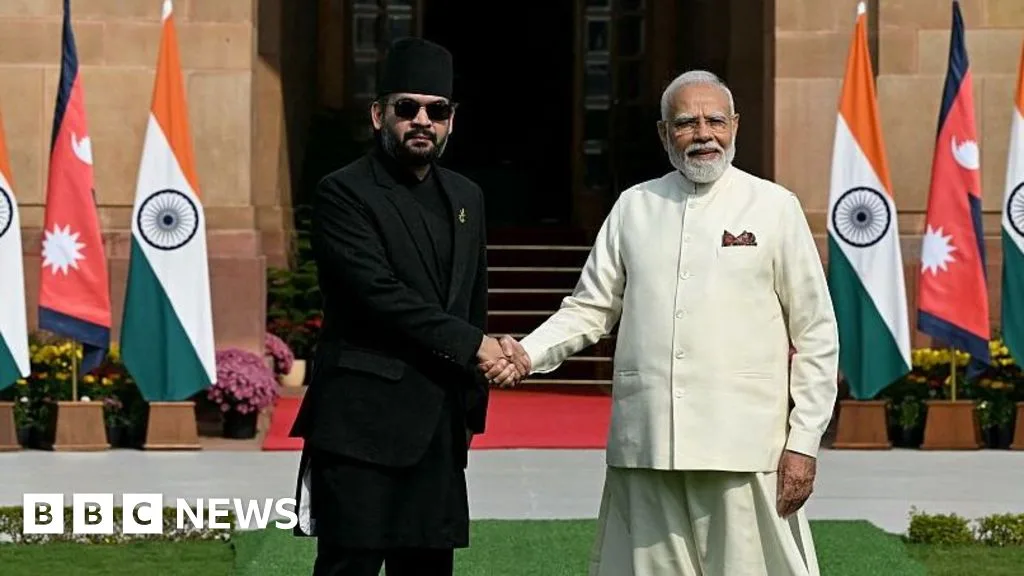
Nepal's Prime Minister Balendra Shah has successfully negotiated a $1.6 billion economic support package from India during his first official visit to New Delhi. This visit marks a pivotal moment in the relationship between the two nations, which has been strained in recent years due to various political and territorial disputes. The meeting between Shah and Indian Prime Minister Narendra Modi, held on November 23, 2026, aimed to reset ties and foster a more collaborative approach moving forward.
The backdrop of this diplomatic engagement is significant, as Nepal is recovering from devastating floods that occurred earlier this year, resulting in over 1,400 fatalities and extensive damage to infrastructure. The financial assistance from India is crucial for Nepal's reconstruction efforts, which are estimated to cost around $4.8 billion. Shah's government has faced scrutiny regarding its response to the disaster, making this support vital for both immediate relief and long-term recovery.
During the discussions, both leaders emphasized the importance of strengthening bilateral relations through various agreements that encompass trade, hydropower projects, and educational initiatives for Nepali youth. Modi's commitment of $1.6 billion includes a substantial line of credit aimed at energy projects, alongside approximately $400 million allocated for reconstruction and infrastructure development. This financial package, while perhaps less than what Nepal hoped for, is viewed as a significant step towards stabilizing the often-tense relationship between the two countries.
The implications of this visit extend beyond mere financial aid. Nepal, situated between the two major powers of India and China, has historically navigated complex geopolitical dynamics. Shah's administration appears to be adopting a more balanced approach, as evidenced by the absence of contentious border issues during their public discussions. Instead, both leaders focused on immediate development needs, which may help to mitigate future criticisms from the younger Nepali population regarding unresolved disputes.
Looking ahead, Shah's government faces the challenge of managing its relationship with China while maintaining a constructive partnership with India. The recent agreements, including enhanced access to Indian ports and improved connectivity through a newly inaugurated train service, signal a positive trajectory. However, the lack of progress on aviation access remains a concern, reflecting ongoing apprehensions regarding Chinese influence in the region. As Nepal embarks on its reconstruction journey, the financial commitments from India will play a crucial role in shaping its future development.