Mass Protests Erupt in India Over Voter Roll Deletions
Tens of thousands protest in India against the removal of 130 million names from voter rolls, claiming it undermines democracy.
130 million names have been removed from India's voter rolls, predominantly affecting opposition supporters.
Protests are led by students and opposition leaders, demanding accountability from the election commission.
The government has deployed extensive security measures, resulting in mass detentions of protesters.
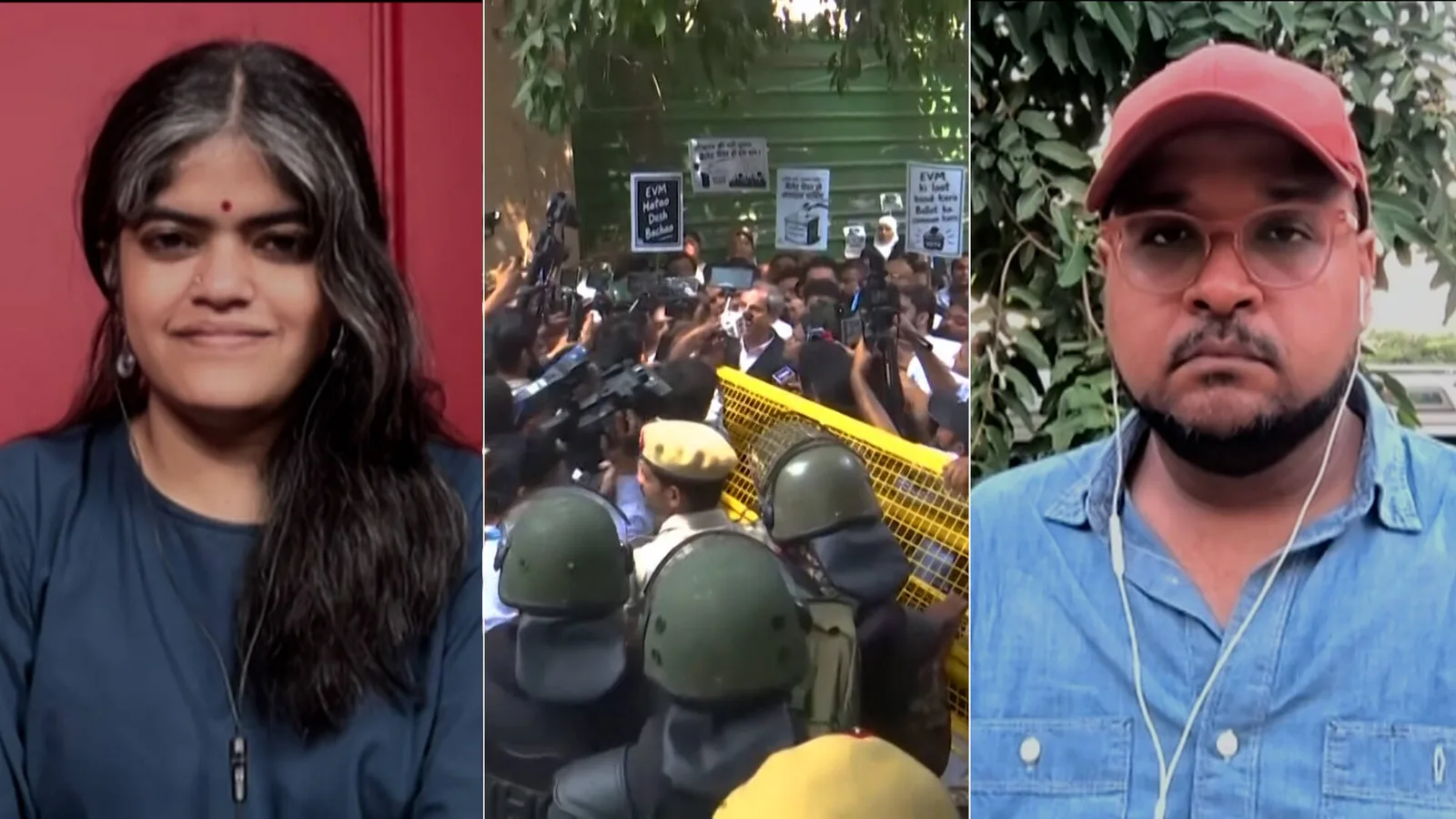
In a significant display of dissent, tens of thousands of individuals have taken to the streets across India in response to the controversial deletion of approximately 130 million names from the voter rolls. This action, perceived as an attempt to disenfranchise those opposed to Prime Minister Narendra Modi's ruling Bharatiya Janata Party (BJP), has sparked widespread protests, particularly among youth and student groups, including the emerging 'Cockroach' movement. Demonstrations have been marked by a heavy police presence, with thousands of security personnel deployed to suppress the unrest.
The backdrop of these protests is rooted in growing concerns over electoral integrity and democratic rights in India. The deletions from the voter rolls are believed to disproportionately impact minority communities, particularly Muslims, leading to accusations of systemic bias within the electoral process. Political analysts and activists argue that this situation reflects a broader trend of diminishing democratic freedoms under Modi's administration, which has faced increasing scrutiny over its governance practices since coming to power in 2014.
During a recent protest in New Delhi, opposition leader Rahul Gandhi led a march toward the Supreme Court, emphasizing the need for accountability from the election commission. He criticized the government's actions, stating that the opposition merely seeks proof of fair electoral practices. The protests have been characterized by a sense of urgency and frustration, with many participants expressing that their fundamental democratic rights are under threat. Reports indicate that the police response has been aggressive, with mass detentions of protesters, including journalists and legal representatives.
The implications of these protests extend beyond immediate political concerns, as they highlight a growing discontent among the populace regarding governance and civil liberties in India. The demonstrations have garnered attention from international observers, including the United Nations, which has raised concerns about the mass detentions and the treatment of protesters. The Indian government, however, has dismissed these concerns as unwarranted interference in its internal affairs, asserting its status as the world's largest democracy.
Looking ahead, the protests show no signs of abating, with leaders of the Cockroach movement vowing to continue their demonstrations until their demands for electoral reform and accountability are met. As the situation evolves, it remains to be seen how the government will respond to this unprecedented wave of civil unrest and what impact it may have on the political landscape in India.