Madras High Court Affirms Railway's Sleeping Berth Restrictions
The Madras High Court has upheld the railway rule limiting sleeping berth usage from 10 PM to 6 AM, emphasizing passenger convenience.
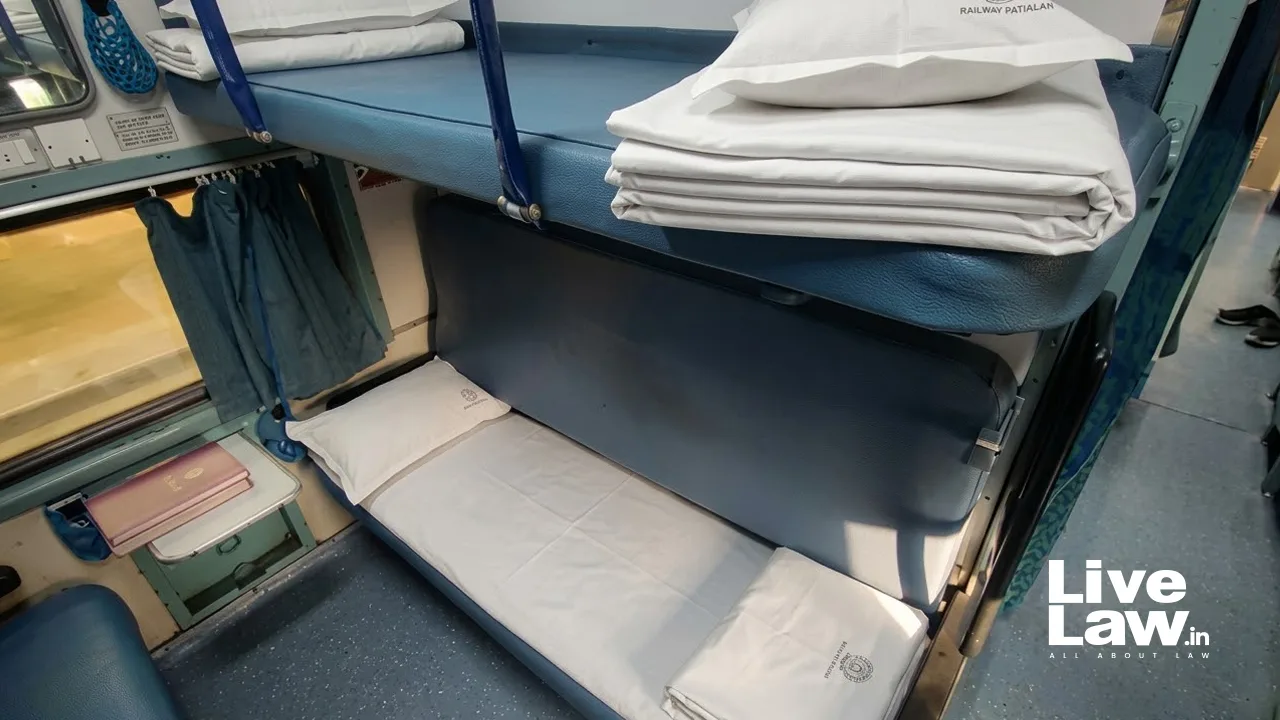
The court dismissed a challenge to the railway's sleeping berth timing rule.
Passengers can seek assistance from railway officials for special circumstances.
The ruling reinforces the importance of accommodating all passengers' needs.
The Madras High Court has confirmed the legality of the Indian Railway's regulation that restricts the use of sleeping berths between the hours of 10 PM and 6 AM. This ruling came from a bench led by Chief Justice SA Dharmadhikari and Justice G Arul Murugan, who stated that the regulation aims to enhance the convenience of all passengers traveling on the railway.
The court's decision arose from an appeal against a previous ruling by a single judge, which had also upheld the provision. The appellant argued that during a journey with his ill wife, they were not allowed to use the sleeping berth beyond the designated hours. He claimed that requests made to fellow passengers for an extension were ignored, leading him to challenge the constitutionality of the rule.
In its judgment, the court emphasized that the restriction serves a broader public interest and is designed to ensure comfort for all passengers. It noted that a single incident, where fellow travelers did not accommodate the request for extended sleeping hours, does not warrant the invalidation of the rule. The court pointed out that passengers facing difficulties could report their issues to the Railway Protection Force (RPF) or other railway officials, who are responsible for enforcing the guidelines effectively.
The court also highlighted that the manual includes provisions to assist vulnerable groups, such as pregnant women and persons with disabilities, allowing them to request cooperation from fellow passengers for extended sleeping arrangements when necessary. This aspect of the ruling reinforces the railway's commitment to ensuring a comfortable travel experience for all, while balancing the needs of individual passengers with those of the larger traveling community.
Looking ahead, the ruling sets a precedent for how similar cases may be handled in the future, emphasizing the importance of following established regulations while also providing mechanisms for addressing individual passenger needs. The court's firm stance on maintaining these regulations indicates that any future challenges will likely face similar scrutiny.