Delhi's Air Quality Hits 377 Ahead of Diwali Celebrations
As Diwali approaches, Delhi faces severe air pollution, with the AQI reaching 377, prompting emergency measures.
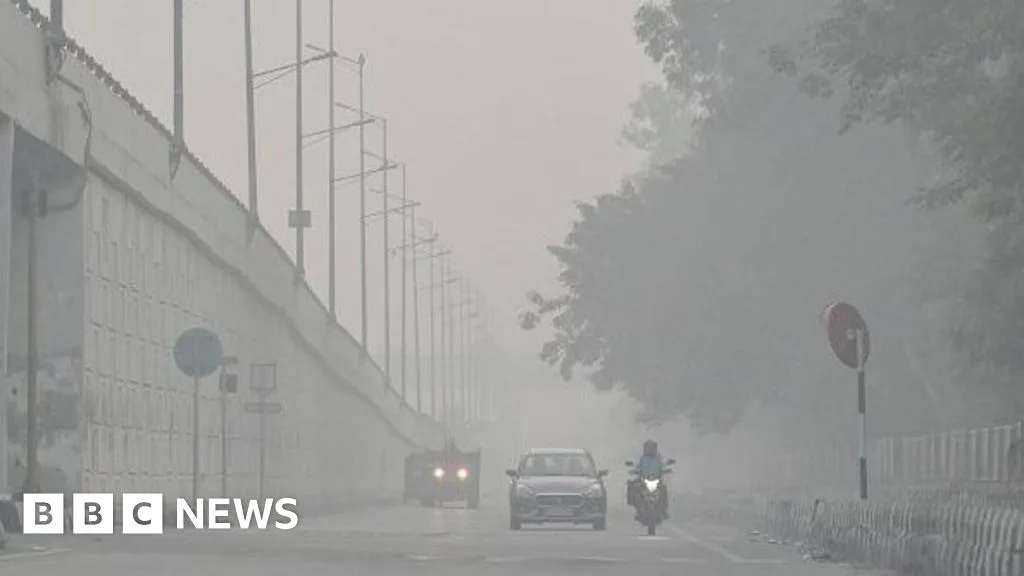
Delhi's air quality index has soared to 377, categorized as 'very poor'.
Authorities have implemented Stage II of the Graded Response Action Plan to combat pollution.
The Supreme Court has permitted limited use of certified green firecrackers during Diwali.
Delhi is grappling with a significant decline in air quality as the festive season of Diwali approaches, with the air quality index (AQI) recently recorded at 377, placing it in the 'very poor' category. This deterioration in air quality is a recurring issue each winter, exacerbated by factors such as rising temperatures, vehicle emissions, and crop residue burning from neighboring states.
In response to the alarming pollution levels, authorities have activated Stage II of the Graded Response Action Plan (GRAP), which includes measures such as intensified road cleaning, increased public transport services, and higher parking fees to discourage the use of private vehicles. The Delhi Metro has added 20 additional train trips on weekdays, and government offices have adjusted their working hours to alleviate traffic congestion.
The recent spike in pollution follows a relatively clean October, which saw the lowest average AQI in eight years. Experts attribute the current situation to falling temperatures and increased crop burning in Punjab and Haryana. The air quality is expected to remain poor in the coming days, raising concerns about health risks, particularly for vulnerable populations such as children and the elderly.
With Diwali festivities just around the corner, there are fears that fireworks will further deteriorate air quality. Despite previous restrictions on firecrackers, enforcement has been challenging. The Supreme Court has recently allowed the sale and use of certified green firecrackers during specific hours on November 7 and 8, aiming to reduce emissions. However, ensuring compliance remains a significant hurdle for authorities.
The pollution crisis is not limited to Delhi; Mumbai has also reported elevated pollution levels, with an AQI of 322 recorded on October 24. Although the air quality has improved recently, the city continues to face challenges from construction dust and emissions from various sources. As the festive season progresses, both cities are under pressure to manage air quality effectively while balancing public celebrations.