Khawaja Asif Warns of Bureaucratic Exodus Amid Military Influence
Pakistan's Defence Minister highlights a troubling trend of bureaucrats leaving for foreign nations as military power grows.
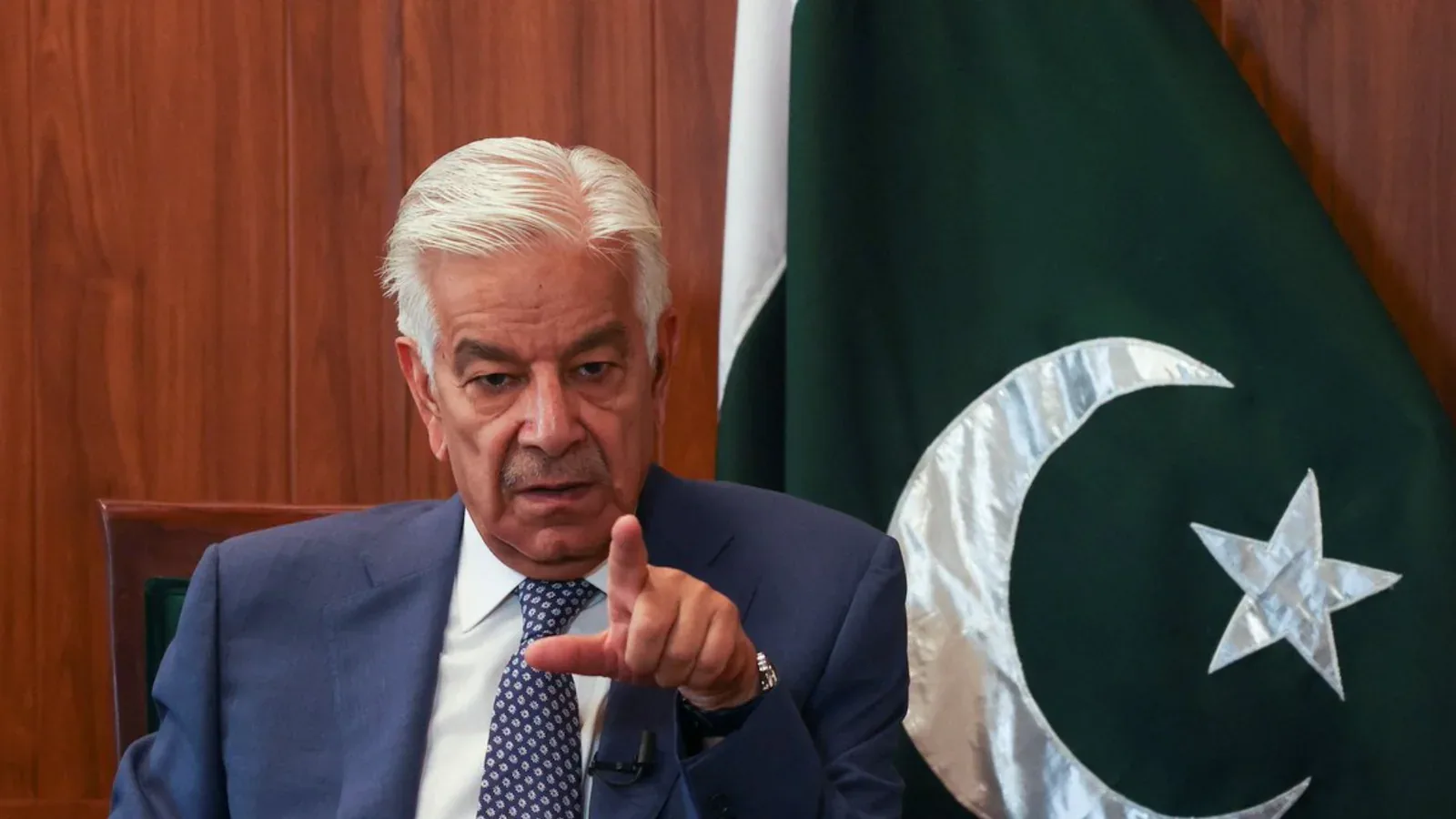
Defence Minister Khawaja Asif reports a significant bureaucratic exodus from Pakistan.
Many bureaucrats are relocating to countries like Canada, the US, and the UK.
Concerns arise over the loyalty and commitment of these officials to Pakistan.
In a stark warning, Pakistan's Defence Minister Khawaja Asif has highlighted a concerning trend of bureaucrats leaving the country amid increasing military influence in governance. Asif's remarks come in the wake of Army Chief Asim Munir's rising prominence, which has reportedly led to a loss of confidence in Prime Minister Shehbaz Sharif's elected government. The Defence Minister expressed alarm over what he termed a 'significant exodus' of bureaucrats, many of whom are planning to settle in foreign nations while still in their official roles.
Asif took to social media platform X to reveal that numerous officers within Pakistan's bureaucracy have made arrangements to relocate to countries such as Canada, the United States, the United Kingdom, and various European nations over the past few years. He emphasized that this trend raises serious questions regarding the commitment of these officials to their homeland and their responsibilities during their tenure.
The Defence Minister elaborated that Portugal has emerged as a particularly favored destination for these bureaucrats. He noted that many of those involved have held significant positions and maintained close ties with successive governments. Without naming specific individuals or providing documented evidence, Asif alleged that a facilitator who helped these bureaucrats secure permanent residency had absconded after allegedly collecting large sums of money from them.
Asif's comments have reignited discussions about the operational dynamics of Pakistan's civilian-military hybrid regime, particularly concerning the civil service and accountability mechanisms. The military has historically played a crucial role in Pakistan's political landscape, often overshadowing civilian bureaucracies. The current government, led by Shehbaz Sharif and supported by the Pakistan People's Party, appears increasingly reliant on Asim Munir, whose influence has surged following his favorable reception by former US President Donald Trump.
Looking ahead, the implications of this bureaucratic exodus could be profound for Pakistan's governance and political stability. As the military's role in civilian affairs continues to expand, questions about the integrity and loyalty of public officials will likely remain at the forefront of national discourse. The government may need to address these concerns to restore public confidence and ensure the effective functioning of its institutions.