Supreme Court Upholds Reservation Policies Amid Religious Conversion Debate
The Supreme Court's recent ruling emphasizes evidence-based classification for backward communities, impacting reservation policies in India.
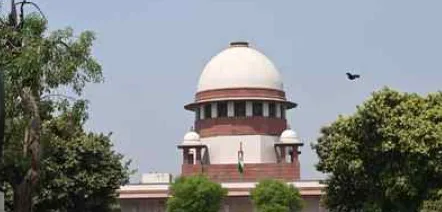
Supreme Court ruled that religious conversion does not automatically confer backward class status.
Pumped Storage Hydropower is crucial for India's renewable energy goals, with significant capacity expansion planned.
The Green Diwali Campaign promotes sustainable practices amidst rising environmental concerns.
In a landmark ruling, the Supreme Court of India has clarified that individuals converting to Islam or Christianity do not automatically retain their backward class status. This decision arose from a case involving a Hindu convert who sought recognition as a member of a backward Muslim community. The court upheld the Madras High Court's verdict, reinforcing that religious identity alone cannot determine eligibility for reservation benefits.
The ruling is rooted in the constitutional framework that ties Scheduled Caste status to specific religions, namely Hinduism, Sikhism, and Buddhism. The court noted that while states can identify backward communities across religions, mere conversion does not suffice to establish membership in a notified backward class. This decision highlights the ongoing debate surrounding the intersection of religion and social justice in India, particularly for historically marginalized groups.
In addition to the Supreme Court's decision, the Ministry of Power has emphasized the role of Pumped Storage Hydropower (PSH) in achieving India's renewable energy targets. With a current capacity of 7.43 GW, India ranks fourth globally in installed PSH capacity. The Central Electricity Authority has identified over 300 potential sites for future projects, aiming for a total of 105.56 GW by 2035-36. This expansion is crucial as India seeks to meet its ambitious goal of 500 GW of non-fossil fuel capacity by 2030.
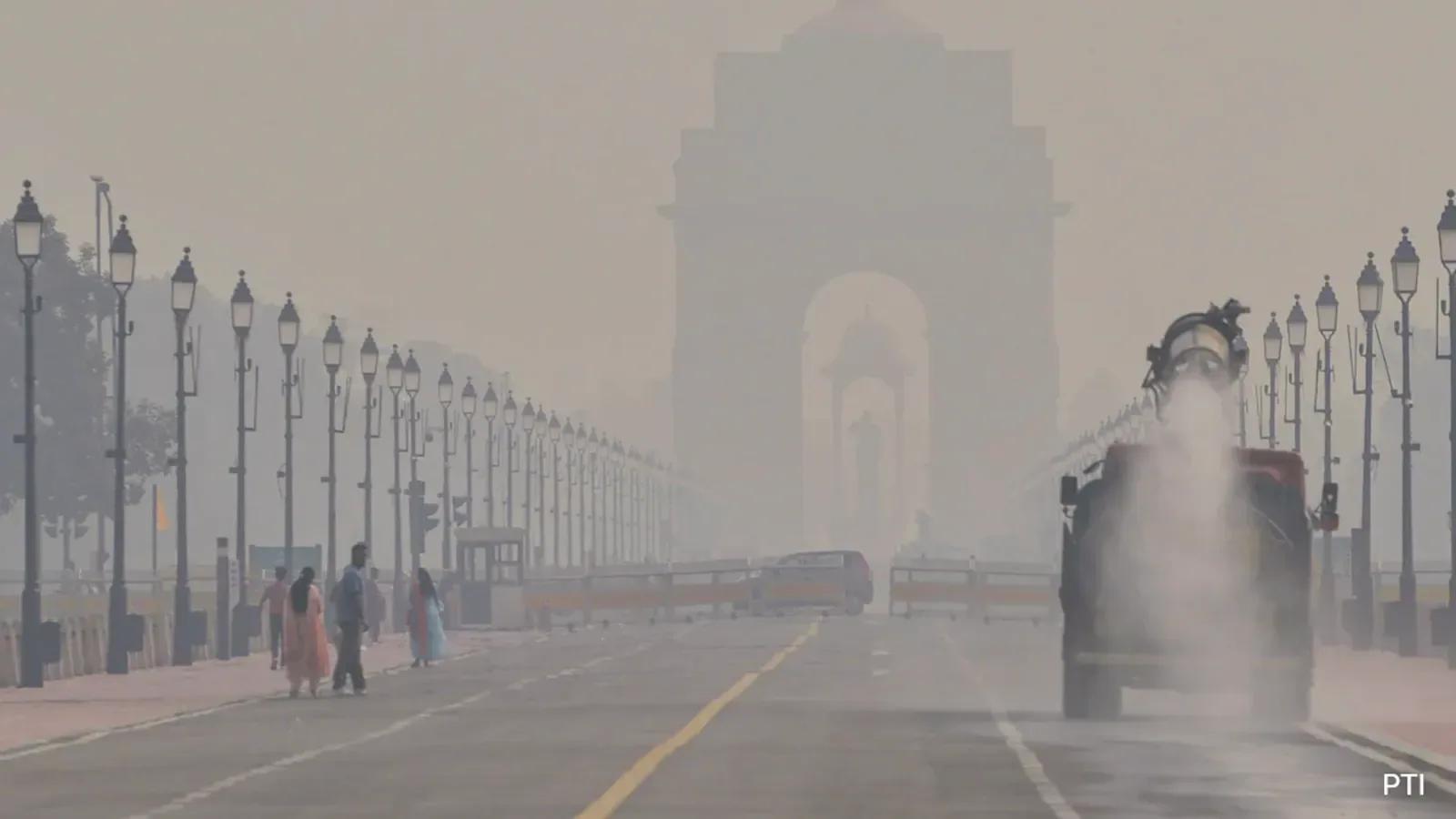
Moreover, the Green Diwali Campaign has been launched to promote environmentally friendly celebrations during the festival season. This initiative aims to raise awareness about sustainable practices among citizens, encouraging them to reduce pollution and embrace eco-friendly alternatives. As environmental concerns grow, such campaigns are vital for fostering a culture of sustainability in India.
Looking ahead, the implications of the Supreme Court's ruling will likely influence future discussions on reservation policies and religious conversions. The government may need to reassess its approach to social justice, ensuring that protections for marginalized communities are upheld without compromising the integrity of existing reservation frameworks. The ongoing expansion of renewable energy initiatives, alongside public awareness campaigns, will play a significant role in shaping India's environmental and social landscape in the coming years.