Jordan Launches Air Strikes in Syria, Seven Dead After Church Attack
In retaliation for a deadly church shooting, Jordan conducts air strikes in Syria, resulting in the deaths of at least seven individuals, including children.
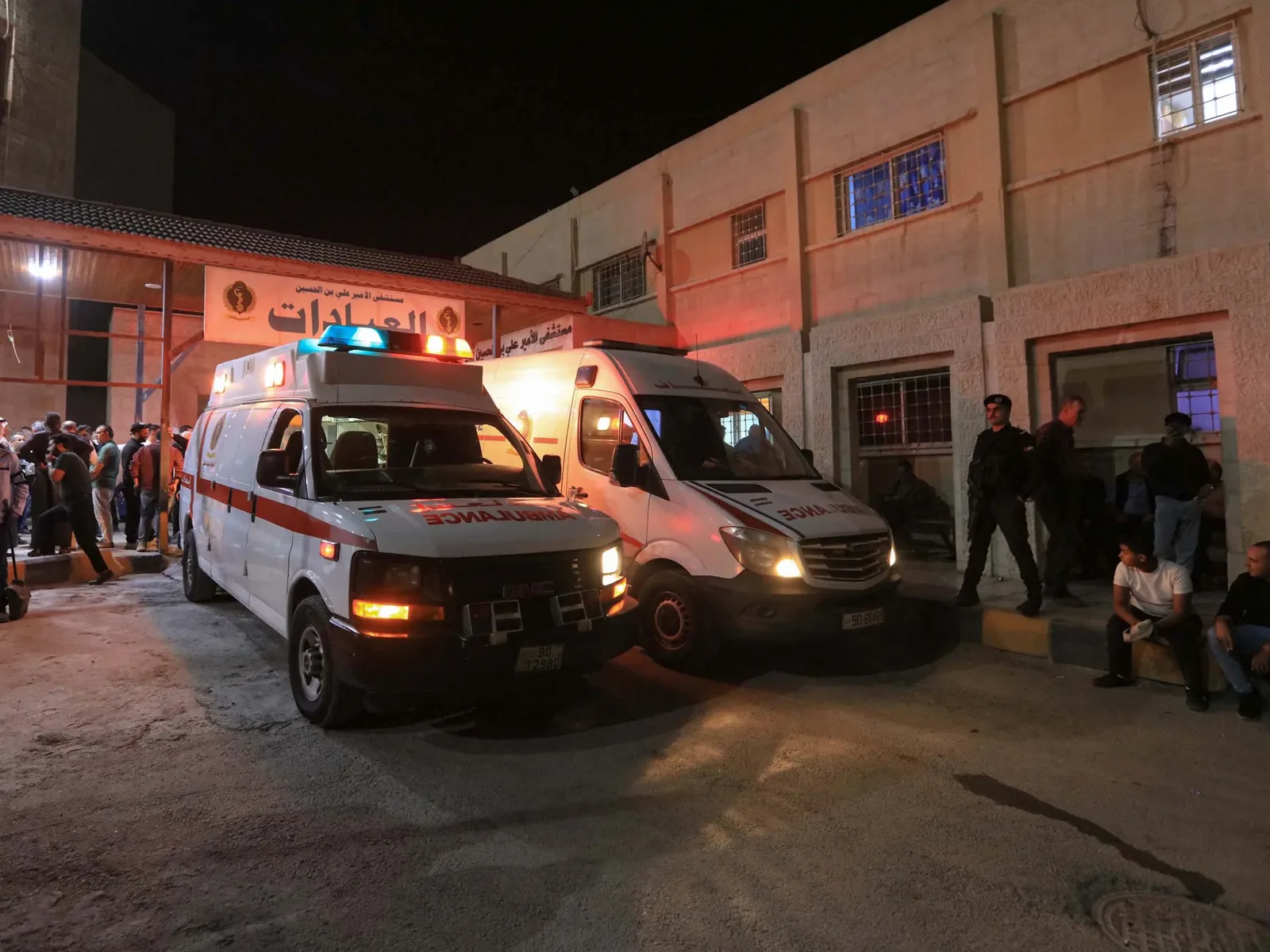
Jordan's military strikes targeted armed group hideouts in Syria.
The air strikes were a response to a church attack in Karak, Jordan, that killed nine.
Syria closed its border crossings with Jordan following the strikes.
In a significant escalation of regional tensions, Jordan has conducted air strikes in Syria, killing at least seven people, including three children. This military action was prompted by a deadly shooting incident at a Greek Orthodox church in Karak, Jordan, where gunmen opened fire on mourners, resulting in nine fatalities and numerous injuries. The strikes occurred on Monday evening and targeted locations in the Deraa and Suweyda provinces of Syria.
The church attack in Karak took place on Friday, leading to widespread outrage and a promise of a strong response from Jordan's King Abdullah II. The Jordanian Armed Forces stated that the air strikes were aimed at “hideouts” of armed groups believed to be responsible for the church attack. The military claimed that the operation was executed in coordination with the Syrian government, although Syrian authorities have denied any prior coordination regarding the strikes.
According to Syria’s Civil Defence service, the air strikes hit multiple sites, resulting in the deaths of seven individuals, including a family of four. The strikes particularly affected a tent in Al-Tai village, where a man, a woman, and three children were killed. Additional casualties included an elderly man in Al Shayyah and a 60-year-old in Shahba. The strikes prompted Syria to close the Nassib border crossing, halting all traffic between the two nations, which is the only route for passengers and commercial goods.
In response to the church attack, Jordanian security forces arrested three suspects, including two brothers, in a village near Karak. The arrests followed a shootout with authorities, resulting in serious injuries to the suspects. The Jordanian government has indicated that these arrests are part of a broader effort to ensure security and prevent further violence, as King Abdullah II emphasized the need for stringent security measures following the attack.
Looking ahead, the situation remains tense as both nations navigate the aftermath of the air strikes and the church attack. Jordan's government is under pressure to enhance security protocols, while Syria seeks to address the fallout from the strikes and maintain its sovereignty. The international community is closely monitoring developments, as the potential for further conflict looms in the region.