Israel's Election: Key Issues and Candidate Positions Ahead of Vote
As Israel approaches its pivotal election, candidates reveal their stances on critical issues like judicial reform, conscription, and the Palestinian conflict.
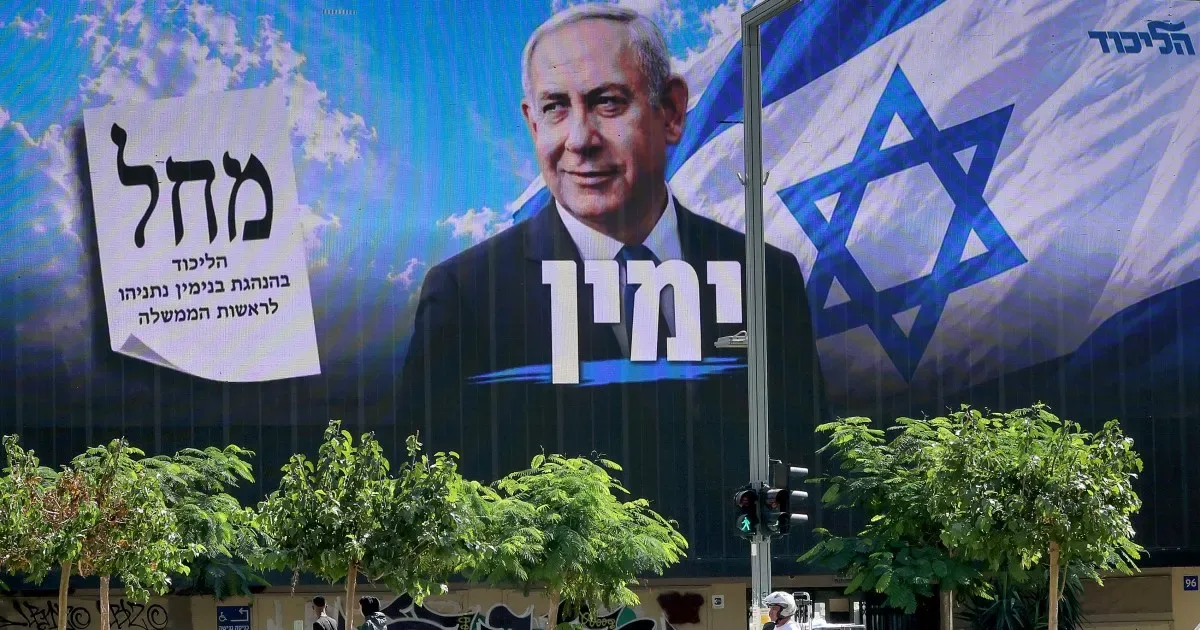
Leading candidates show consensus on military actions against Gaza but diverge on internal policies.
The two-state solution remains largely unsupported among major contenders.
Judicial reforms and conscription of the Haredi population are hotly debated topics.
As Israel gears up for its national election on October 21, 2026, the leading candidates have articulated their positions on several pressing issues that are shaping the political landscape. This election is being characterized as one of the most consequential in the nation's history, with candidates addressing topics ranging from judicial reforms to military actions in Gaza and the contentious issue of Palestinian statehood.
Historically, the Oslo Accords of the 1990s laid the groundwork for a two-state solution, yet current candidates appear reluctant to uphold this commitment. Instead, they are facing criticism for their government's role in escalating tensions in the West Bank and for endorsing settlement expansions that defy international law. Notably, Prime Minister Benjamin Netanyahu has firmly stated, "We are going to fulfill our promise that there will be no Palestinian state; this place belongs to us," reflecting a broader trend among candidates to reject the two-state framework.
The issue of military conscription for Israel's ultra-Orthodox community has emerged as a significant point of contention. With rising costs associated with ongoing conflicts, Netanyahu's reliance on Haredi parties has led to demands for legislation that would exempt their youth from military service. Candidates like Gadi Eisenkot have positioned themselves against this status quo, asserting the need for a government that enforces conscription. Eisenkot stated, "That is what the upcoming election is about: Netanyahu’s draft-dodging government, or a government of conscription led by me."
Judicial reforms proposed by Netanyahu's administration have also sparked widespread protests, with many viewing these changes as an assault on democracy. The government has moved to limit the powers of the judiciary, prompting opposition leaders to vow to reverse these measures if elected. Netanyahu has defended these reforms, claiming they are necessary to restore balance among the branches of government.
As the election date approaches, the implications of these issues extend beyond political rhetoric. The outcome could significantly impact Israel's internal governance, its relationship with the Palestinians, and the future of its judicial system. With the election drawing near, candidates will continue to clarify their positions, and voters will be faced with critical decisions that could shape the nation for years to come.