India Advocates for Universal Veto Power in UN Security Council
During a UN address, India emphasizes the need for all member states to have veto rights, calling for comprehensive reforms.
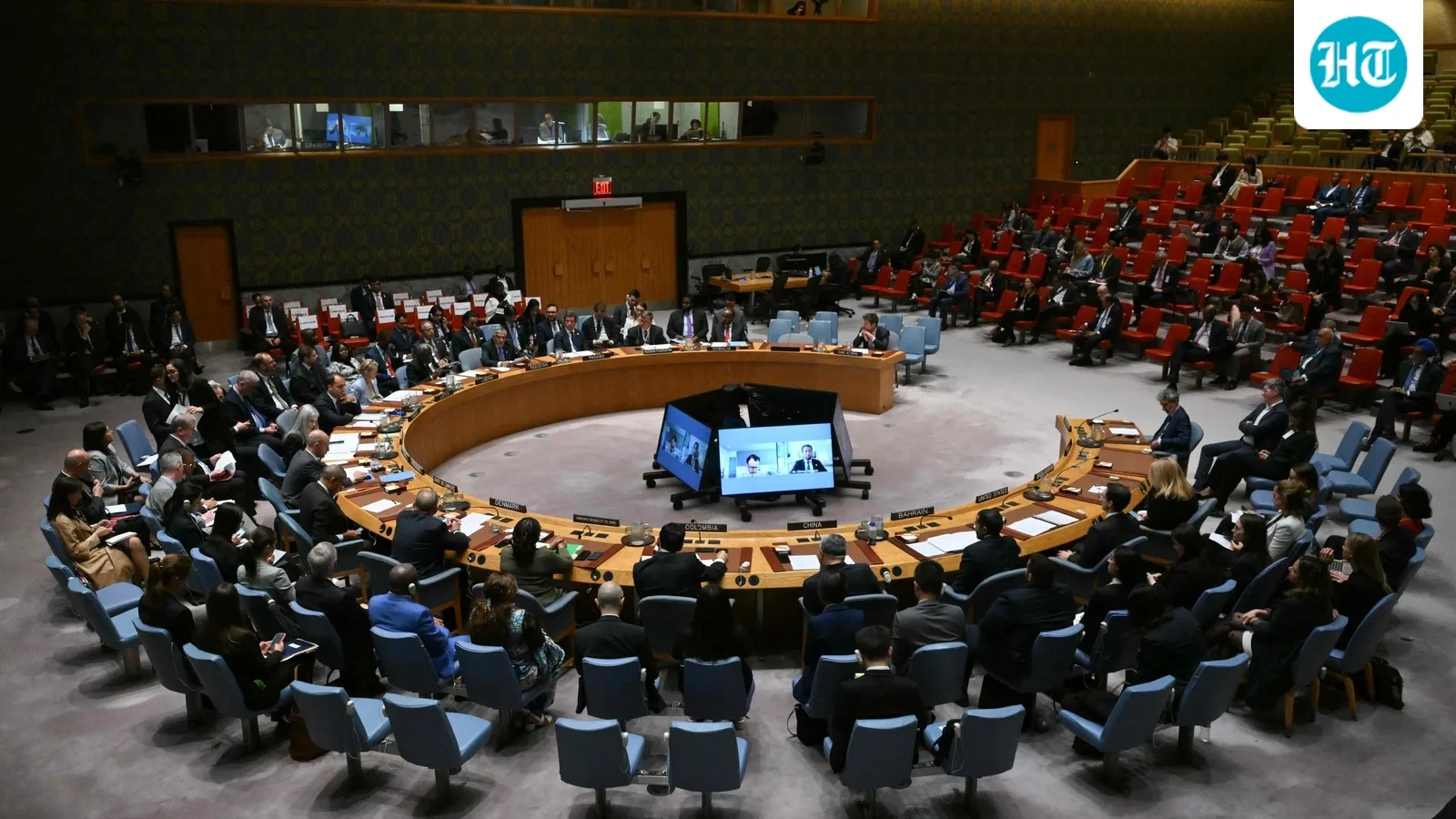
India's Permanent Representative urges reforms for veto power in the UNSC.
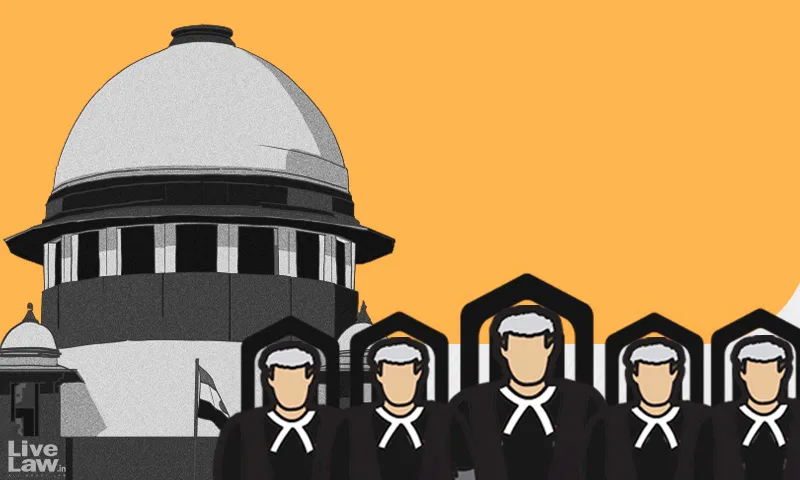
The current veto power is held by five permanent members, leading to credibility issues.
India aligns with the Common Africa Position for a unified approach to global governance.
In a significant address at the United Nations, India has reiterated its call for extensive reforms within the Security Council, advocating for the extension of veto powers to all member states. Parvathaneni Harish, India's Permanent Representative to the UN, stressed that the privilege of veto power should not be a tool for narrow political interests but rather a responsibility that demands careful consideration.
The context of this call for reform stems from the historical misuse of veto power by the five permanent members of the Security Council: the United States, the United Kingdom, France, Russia, and China. Harish pointed out that the disproportionate exercise of vetoes has eroded the Council's credibility, with 331 vetoes cast on approximately 200 resolutions since the UN's inception. He highlighted that two permanent members have not exercised their vetoes in over 35 years, while the majority of veto actions have come from just three of the P5 nations.
In his remarks, Harish noted that limiting the veto cannot be addressed in isolation from broader discussions on membership categories, regional representation, and operational methods. He called for a holistic approach to reform, emphasizing that all five clusters of reform must progress simultaneously. This comprehensive strategy aims to ensure fairness and justice in the distribution of rights and responsibilities among member states.
The implications of India's stance are significant not only for the UN but also for global governance. By advocating for equal veto rights, India seeks to enhance the legitimacy and effectiveness of the Security Council, which has faced criticism for its decision-making processes. Furthermore, India's alignment with the Common Africa Position underscores a commitment to collaborative international diplomacy, aiming for a unified voice on critical issues affecting global peace and security.
Looking ahead, India’s push for reform will likely continue to gain momentum, especially as discussions around the UN's structure evolve. The upcoming sessions at the UN will be crucial in determining how member states respond to India's proposals and whether a consensus can be reached on expanding veto powers and other reforms within the Security Council.