Jazan Refinery Attack Claims Life of Nepali Worker
A recent attack on Saudi Arabia's Jazan refinery resulted in one fatality and several injuries, disrupting operations.
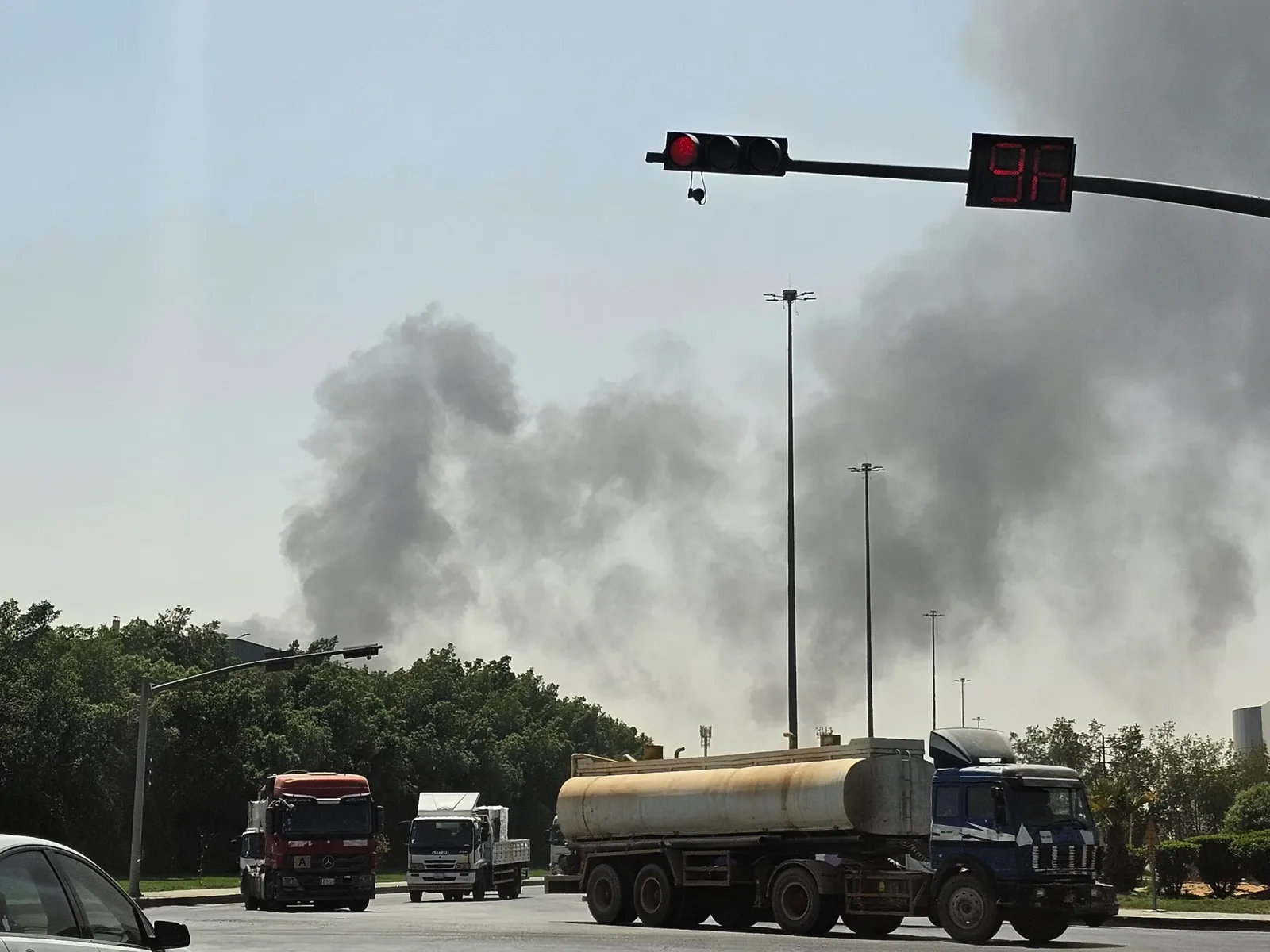
One Nepali worker was killed in the attack, with multiple injuries reported.
The refinery, located near the Yemeni border, processes up to 400,000 barrels of crude oil daily.
The Saudi-led coalition condemned the strike and threatened a military response.
An aerial attack on the Jazan oil refinery in Saudi Arabia has resulted in the death of one worker and injuries to several others, as confirmed by the Saudi Ministry of Energy. The incident occurred on Thursday and led to a fire that temporarily halted operations at the facility, which is situated along the Red Sea coast.
The refinery, which has the capacity to process 400,000 barrels of crude oil per day, was targeted amid escalating tensions between Saudi Arabia and the Iranian-backed Houthi group from Yemen. The attack follows a series of assaults on key Saudi infrastructure, including a recent claim by the Houthis regarding strikes on other major facilities.
The Ministry of Energy reported that the deceased was a Nepali national, while the injured individuals came from various nationalities. Emergency response teams were dispatched to the site to manage the situation and assess the damage. The Saudi-led coalition, which supports Yemen's recognized government, condemned the attack and indicated that it would respond decisively to any threats against civilians and infrastructure.
In retaliation, the coalition announced the destruction of a Houthi missile launch platform in Yemen, which was allegedly used for the Jazan refinery attack. The ongoing conflict has seen Saudi-backed forces conducting numerous strikes against Houthi positions, claiming significant neutralization of enemy combatants and destruction of military assets.
As the situation develops, the humanitarian crisis in Yemen continues to worsen, with thousands displaced and casualties mounting. The World Health Organization has reported over 2,300 deaths and nearly 11,000 injuries since the escalation of violence in August. The international community remains concerned about the implications of these hostilities on regional stability and humanitarian conditions.