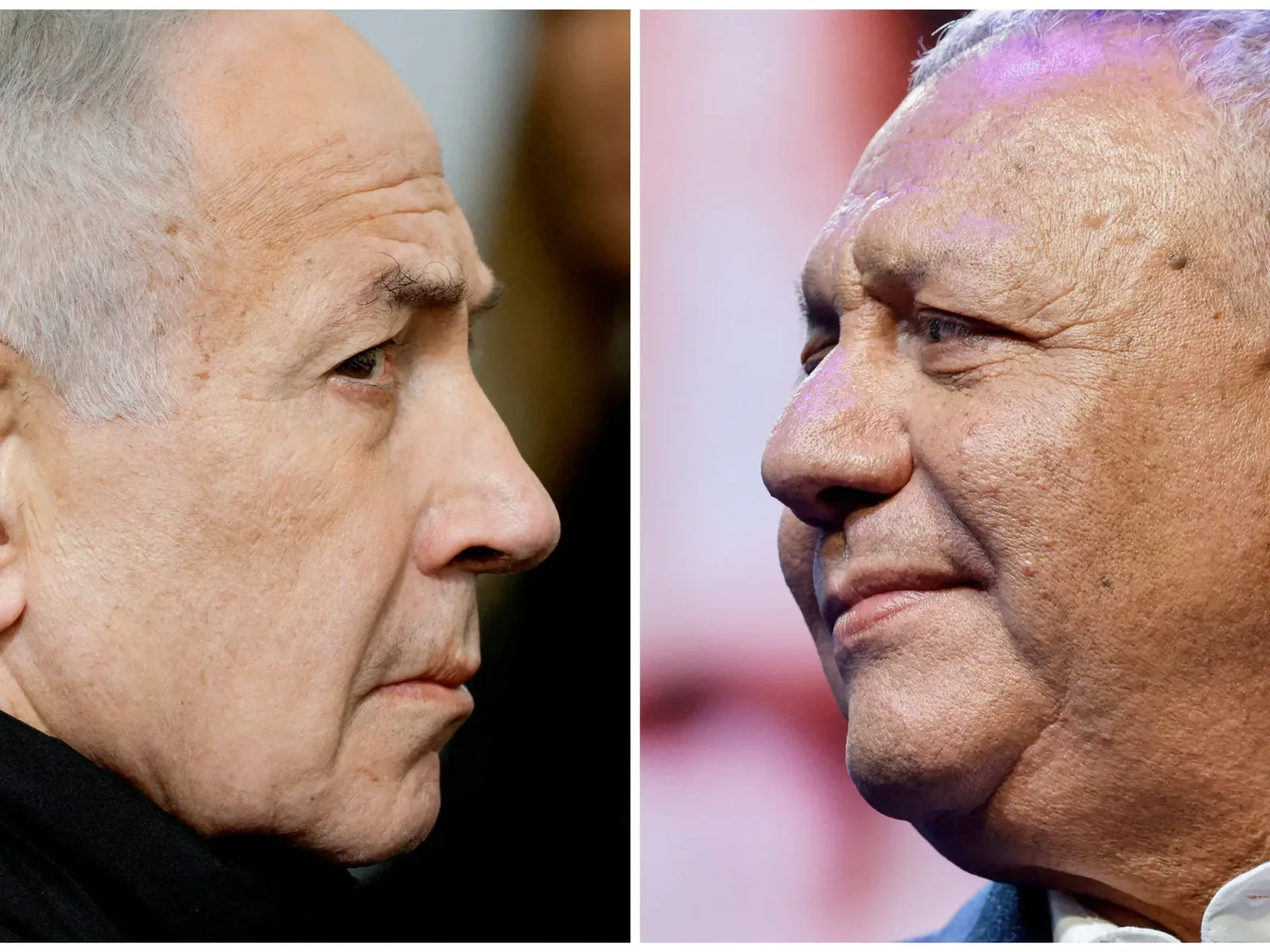
Israeli Elections Result in Political Stalemate: Four Paths Ahead
With no party achieving a majority in the Knesset, Israel faces a political impasse, prompting discussions on potential coalition formations.
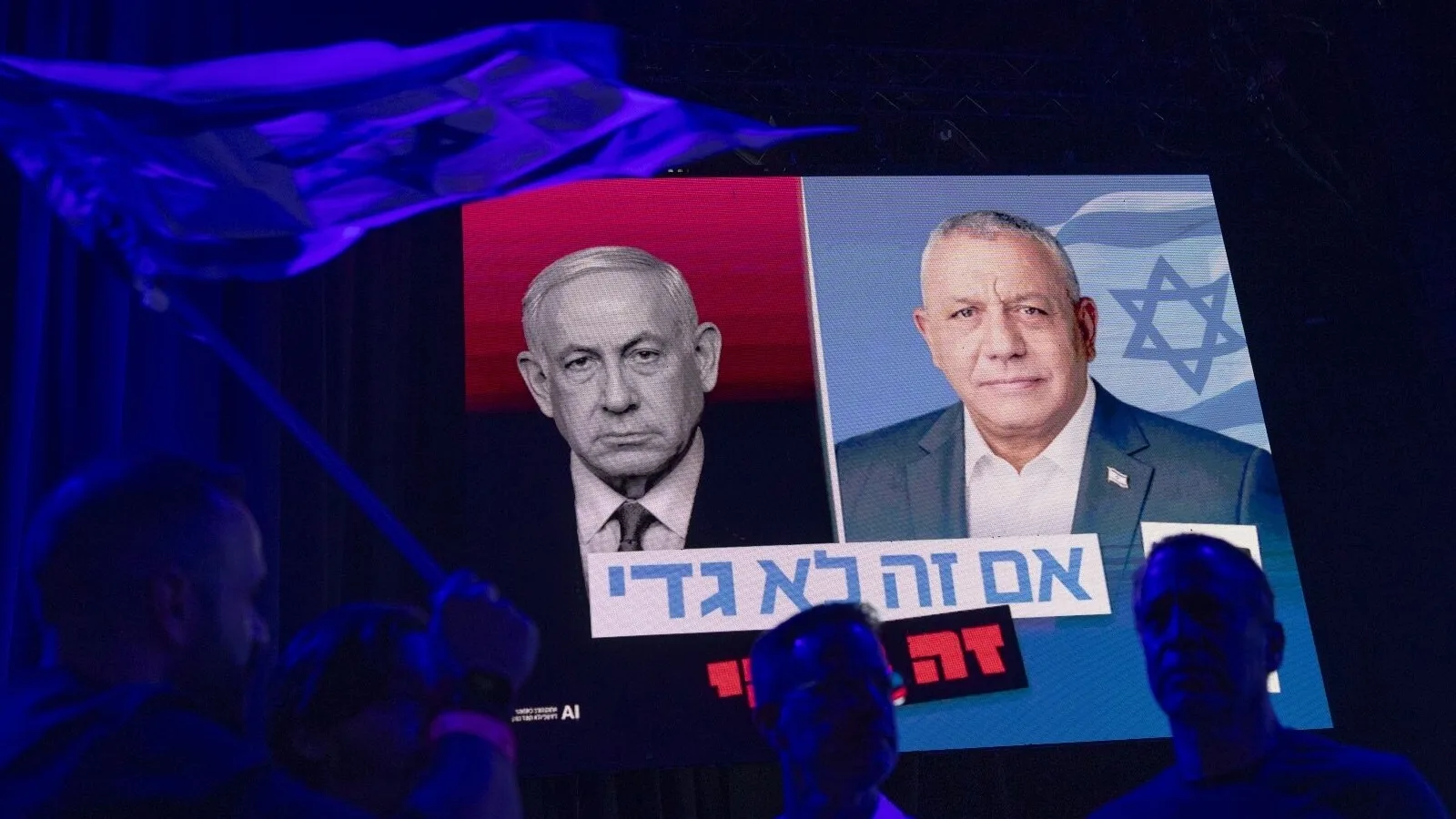
Netanyahu's Likud party secured 27 seats, while Eisenkot's Yashar gained 21.
The Arab parties made a historic gain with 19 seats, influencing coalition dynamics.
No coalition has reached the 61-seat majority needed to form a government, leading to possible new elections.
The recent Israeli elections have resulted in a political deadlock, with no party or bloc achieving the necessary majority to form a government. Prime Minister Benjamin Netanyahu's Likud party emerged as the largest faction, winning 27 seats, while Gadi Eisenkot's Yashar secured 21. The Arab parties, in a significant development, collectively won 19 seats, marking a historic moment in Israeli politics. The total seats won by the pro-Netanyahu bloc amount to 53, while Eisenkot's opposition bloc holds 48, leaving the Knesset in a state of uncertainty.
This election result is a continuation of Israel's turbulent political landscape, where coalition governments have been the norm due to the fragmented nature of the electorate. In previous elections, no single party has managed to secure a majority, leading to repeated elections and unstable governments. The current situation reflects a growing divide in Israeli society, with the Arab parties gaining traction and influencing the political discourse.
As negotiations begin, several scenarios are being considered for forming a government. One possibility is a coalition led by Netanyahu, who may attempt to persuade right-wing parties from Eisenkot's bloc to join him, potentially creating a majority government. However, this approach faces challenges, as some of these parties have campaigned against Netanyahu and may not align with his agenda.
Alternatively, Eisenkot could seek support from the Arab parties to form a coalition, which would require a significant shift in Israeli political norms, as historically, Arab parties have not been part of governing coalitions. This scenario could lead to a more inclusive government but also poses risks for Eisenkot, who has previously distanced himself from Arab party alliances.
The final option on the table is the prospect of fresh elections, which could favor Netanyahu as he remains in a caretaker role. Analysts suggest that the high Arab voter turnout seen in this election may not be replicated, potentially benefiting right-wing parties in a subsequent vote. As Israel navigates this political impasse, the coming weeks will be crucial in determining the future direction of its government.