Israeli Election Results Create Uncertain Future for Netanyahu
With no clear majority in the Knesset, Benjamin Netanyahu's political future hangs in the balance as coalition talks stall.
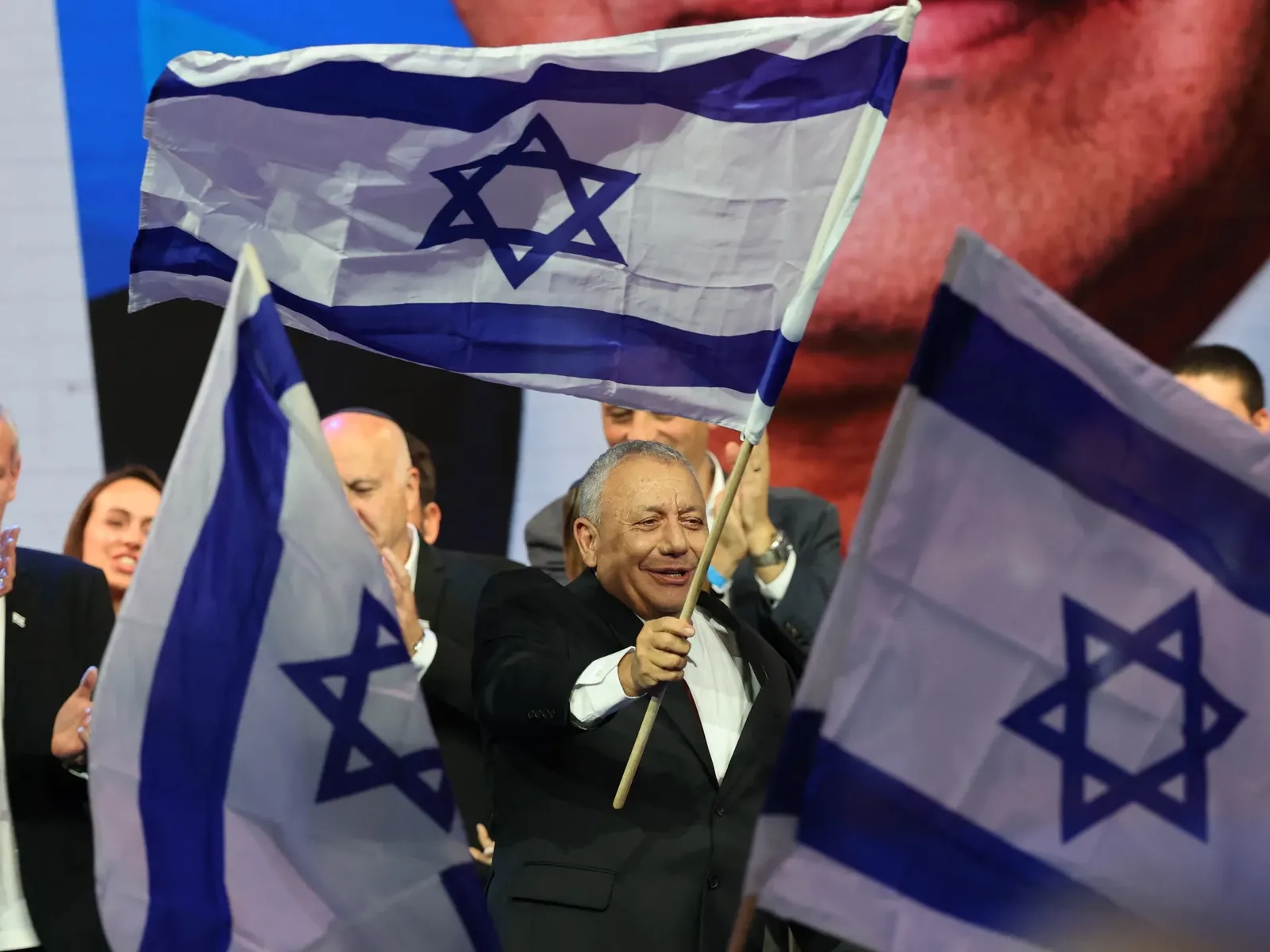
Netanyahu's coalition secured 53 seats, while the opposition led by Gadi Eisenkot gained 48, falling short of the 61 needed for a majority.
Arab parties, despite their historic electoral performance, remain politically isolated, complicating coalition negotiations.
President Isaac Herzog will consult with parties to determine the best candidate for forming a government after results are certified.
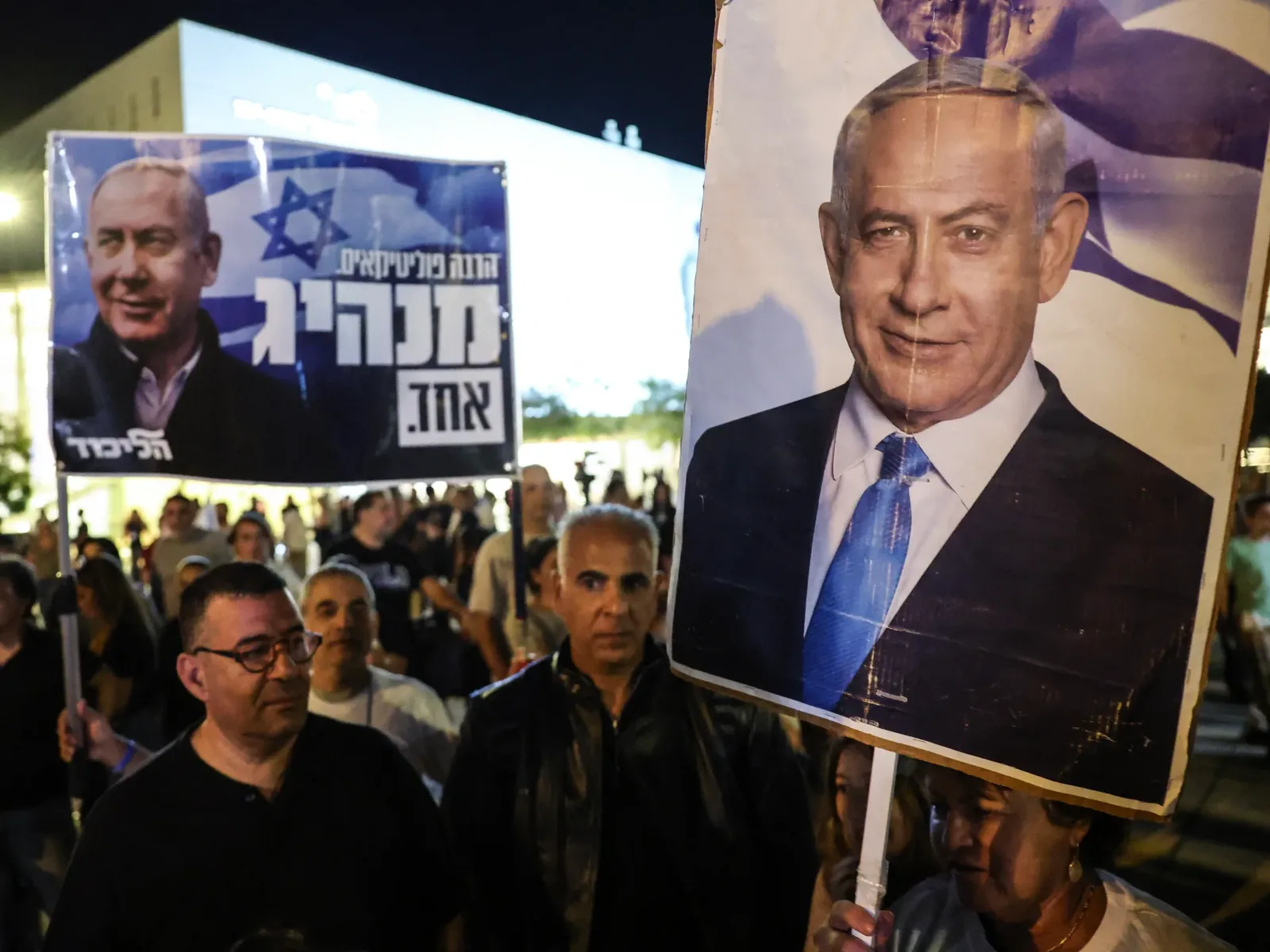
In the aftermath of Israel's elections held on October 27, 2026, the political landscape remains fragmented, leaving Prime Minister Benjamin Netanyahu's future uncertain. With the election results set to be certified on Wednesday, neither the right-wing coalition led by Netanyahu nor the opposition alliance under Gadi Eisenkot has achieved the necessary majority in the Knesset, which requires 61 seats out of 120. Netanyahu's coalition garnered 53 seats, while Eisenkot's bloc secured 48, with the remaining 19 seats going to Arab-led parties.
The Arab parties, specifically the Joint List and Ra’am, have recorded their best electoral performance, yet they find themselves politically marginalized. Despite indications that they might support an Eisenkot-led government, their backing is contentious within the opposition, which includes factions led by former Prime Ministers Naftali Bennett and Yair Lapid, complicating any potential coalition formation.
Following a meeting on Tuesday, opposition leaders expressed their intent to swiftly replace Netanyahu's government with a national emergency coalition. However, the specifics of how they plan to secure a majority remain unclear, particularly as they may need to align with the Arab parties or the ultra-Orthodox factions, which have historically supported Netanyahu. Pollster Mitchell Barak noted the lack of coordination within the opposition, highlighting the challenges ahead.
Once the election results are certified, President Isaac Herzog will initiate consultations with all parties to identify a suitable candidate for government formation. Herzog's decision is particularly significant as he must navigate his previous rivalry with Netanyahu while considering the prime minister's ongoing corruption trial. If selected, Eisenkot will have 28 days to form a coalition, with a possible extension of 14 days if needed.
As negotiations unfold, Netanyahu claims a mandate to lead based on his party's performance, yet the path to a majority appears fraught with obstacles. The new Knesset is scheduled to be sworn in on November 10, and the dynamics of coalition talks may shift significantly depending on external factors, including the outcome of the U.S. midterm elections and ongoing tensions with Iran. Analysts suggest that Netanyahu's ability to form a coalition is tenuous at best, with the potential for a crisis to reshape the political landscape.