Opposition Leaders Unite Behind Eisenkot Ahead of Government Talks
Israeli opposition leaders endorse Gadi Eisenkot for prime minister, aiming to quickly replace Netanyahu's administration amidst coalition challenges.
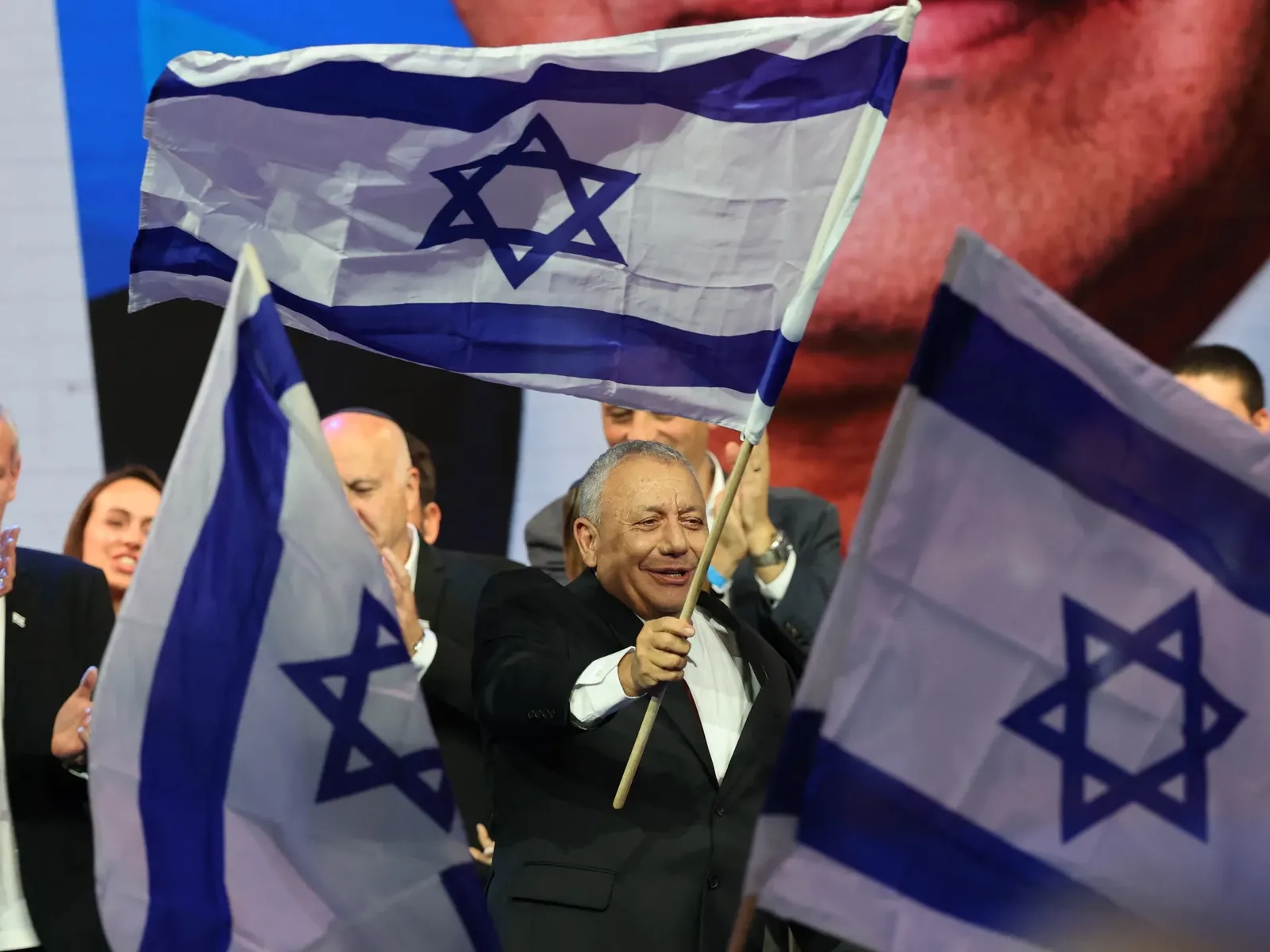
Five opposition party heads have agreed to support Gadi Eisenkot as prime minister.
The coalition discussions are complicated by divisions over potential alliances with Arab-led parties.
Netanyahu's bloc holds 53 seats, while the opposition has 48, necessitating strategic partnerships to form a government.
In a significant political development, leaders of Israel's opposition have rallied behind former military chief Gadi Eisenkot as their candidate for prime minister. This decision was made during a meeting in Herzliya, north of Tel Aviv, on Tuesday, following the inconclusive results of the October 27 elections, which left no party with a clear majority in the Knesset's 120 seats. The opposition is determined to expedite the process of replacing Benjamin Netanyahu's government, which has faced increasing scrutiny and criticism.
The meeting marked the first joint gathering of the opposition leaders since the elections, where they expressed their commitment to forming a new government. They plan to recommend Eisenkot to President Isaac Herzog, who is set to begin consultations with party leaders regarding the formation of the next government. However, the opposition remains fragmented, particularly concerning whether to collaborate with Arab-led parties, whose support could be pivotal in achieving a majority.
In a joint statement, the leaders emphasized their intention to act swiftly, with Eisenkot's Yashar party at the forefront. They outlined four key principles that any coalition would need to adhere to, including the recognition of Israel as a Jewish state and the designation of Hamas as a terrorist organization. These stipulations may alienate some Arab parties, complicating the coalition-building process. Naftali Bennett, a former prime minister and one of the leaders present, underscored the urgency of their mission, stating, "We don’t have time – we must act with great urgency."
The current political landscape shows Netanyahu's bloc securing 53 seats, while the opposition holds 48, and Arab-led parties command 19 seats. A coalition requires at least 61 seats to govern effectively. Yousef Jabareen, leader of the largest Arab-led party, has urged the opposition to acknowledge the political realities and unite to oust Netanyahu. Meanwhile, Yair Golan is the only opposition figure openly advocating for an alliance with Arab parties, highlighting the need for inclusivity in addressing issues faced by Palestinian citizens in Israel.
As negotiations progress, the implications of these discussions are profound for Israel's political future. Netanyahu, who has called for a "broad national government" under his leadership, faces resistance from opposition leaders who have largely rejected joining him. With Herzog set to hold consultations in the coming days, Eisenkot's potential to garner support from Arab lawmakers could significantly influence the outcome of the coalition talks, shaping Israel's governance in the months ahead.