Supreme Court Highlights 'Protest Economy' Amid Delhi Traders' Concerns
The Supreme Court acknowledges the economic impact of protests on Delhi's traders while emphasizing the need for balance between rights.
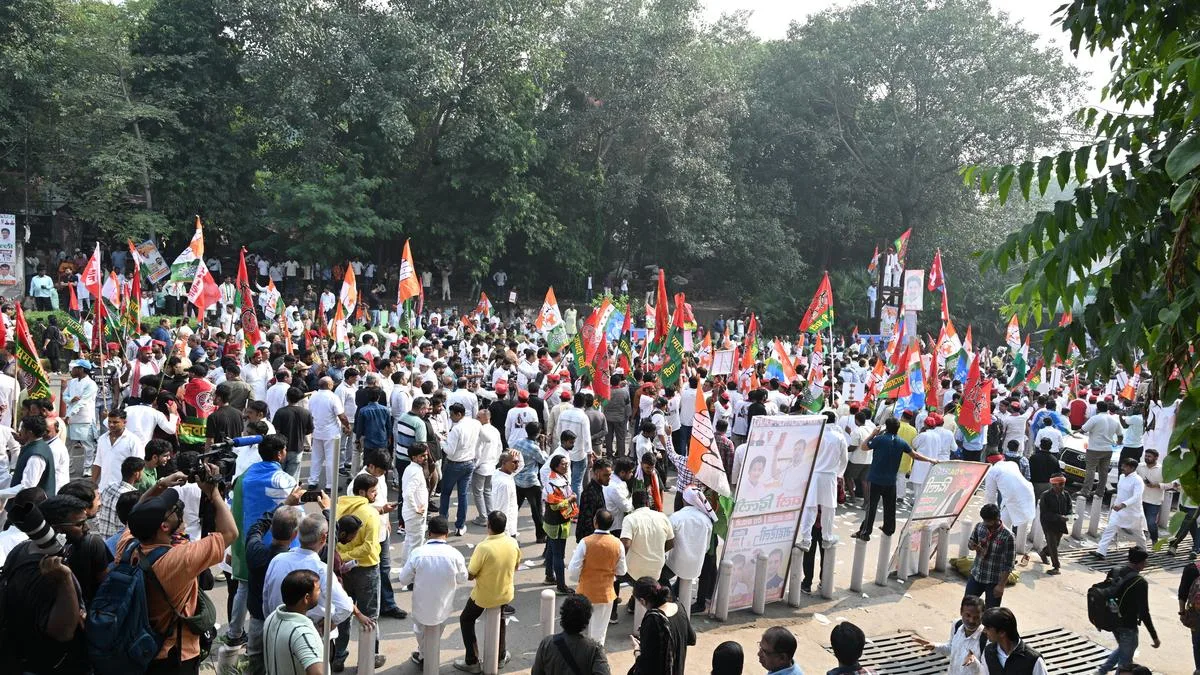
The Supreme Court recognizes the existence of a 'protest economy' benefiting vendors at demonstration sites.
Traders express concerns over significant business losses during peak festive seasons due to ongoing protests.
The court has issued a notice on the traders' plea but will hear from protest organizers before making any interim decisions.
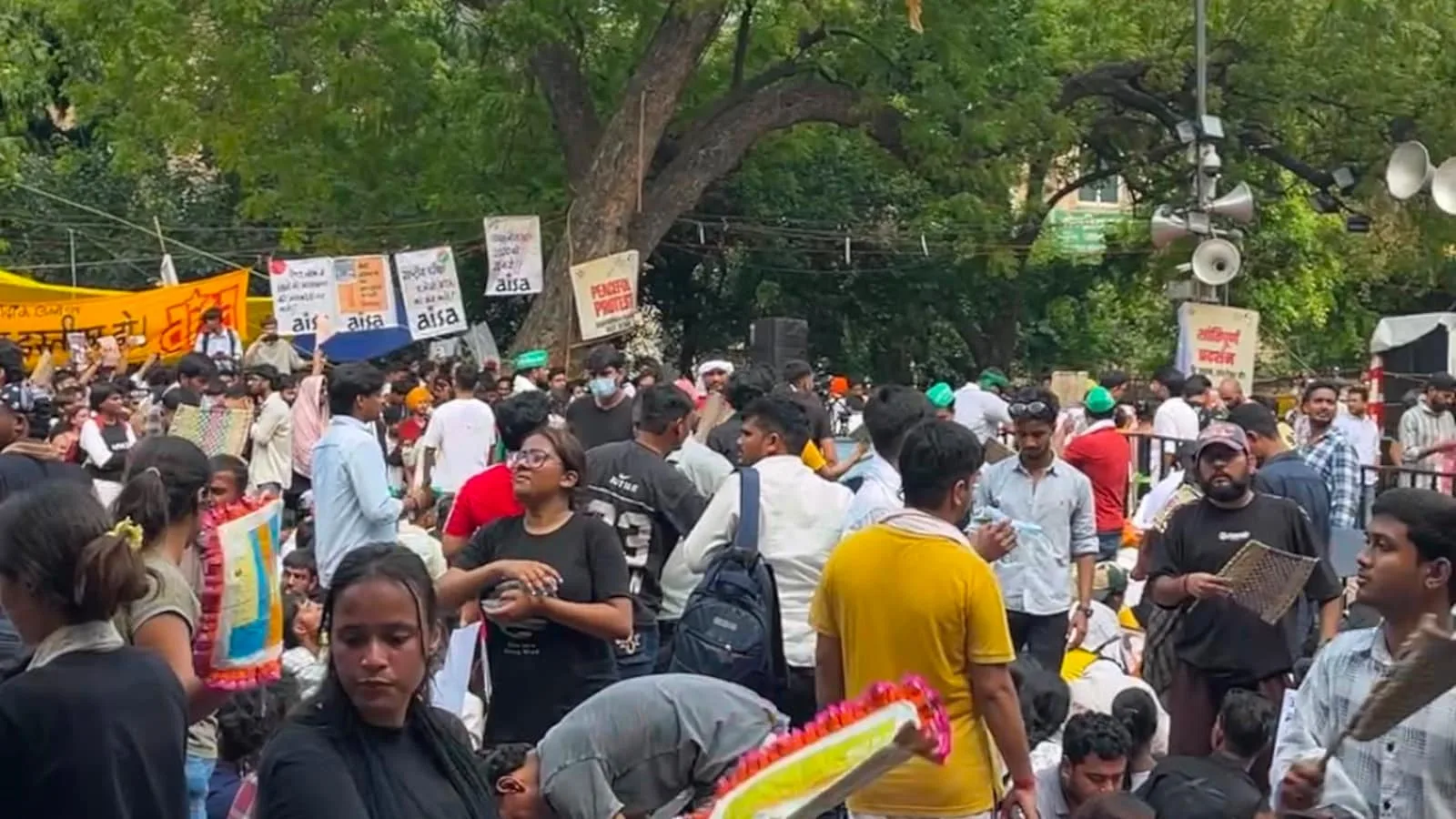
On November 3, 2026, the Supreme Court of India addressed the concerns of Delhi traders regarding the impact of ongoing protests on their livelihoods. Chief Justice Surya Kant highlighted the concept of a 'protest economy,' noting that while protests can disrupt business, they also create opportunities for hawkers and vendors who operate at these demonstration sites. The court stressed the importance of finding a balance between the right to protest and the right to trade, particularly for those whose livelihoods depend on daily earnings from their small businesses.
The remarks came in response to a petition from the Kirana Committee Delhi, which argued that protests have severely affected traders during the crucial festive season surrounding Dussehra and Deepavali. Senior advocate Mukul Rohatgi, representing the traders, pointed out that even designated protest areas like Ramlila Grounds are in close proximity to major commercial hubs, making it difficult for businesses to operate effectively. He emphasized that the ongoing protests have led to significant financial losses, affecting not only traders but also thousands of auxiliary workers dependent on these businesses.
Solicitor General Tushar Mehta, representing the Union government, noted that while the right to protest is constitutionally protected, it must be exercised within the bounds of law and order. He raised concerns about the potential for violence, referencing a previous protest that escalated into chaos. The court acknowledged the need for protest organizers to take responsibility for any disruptions caused to local businesses, indicating that a structured approach to protests is necessary to protect the rights of all parties involved.
Justice Joymalya Bagchi remarked on the role of vendors in supplying essentials to protesters, likening the situation to a 'mela economy' where trade thrives even amidst demonstrations. The court questioned whether the traders had included protest organizers in their petition, as the balance of rights was a crucial aspect of the ongoing discussions. While the court issued a notice regarding the traders' plea for a temporary ban on protests during the festive season, it refrained from making any immediate orders until all stakeholders, including protest organizers, could be heard.
Looking ahead, the court's decision will likely shape the future of protest regulations in Delhi, particularly during peak business periods. As the situation develops, both traders and protest organizers will need to navigate the complexities of their rights and responsibilities, ensuring that the economic impact of protests is managed effectively while preserving the democratic right to dissent.