Israel Election Results: Netanyahu's Bloc Leads but Lacks Majority
With nearly 90% of votes counted, no clear winner has emerged in Israel's election, leaving Netanyahu's coalition short of a governing majority.
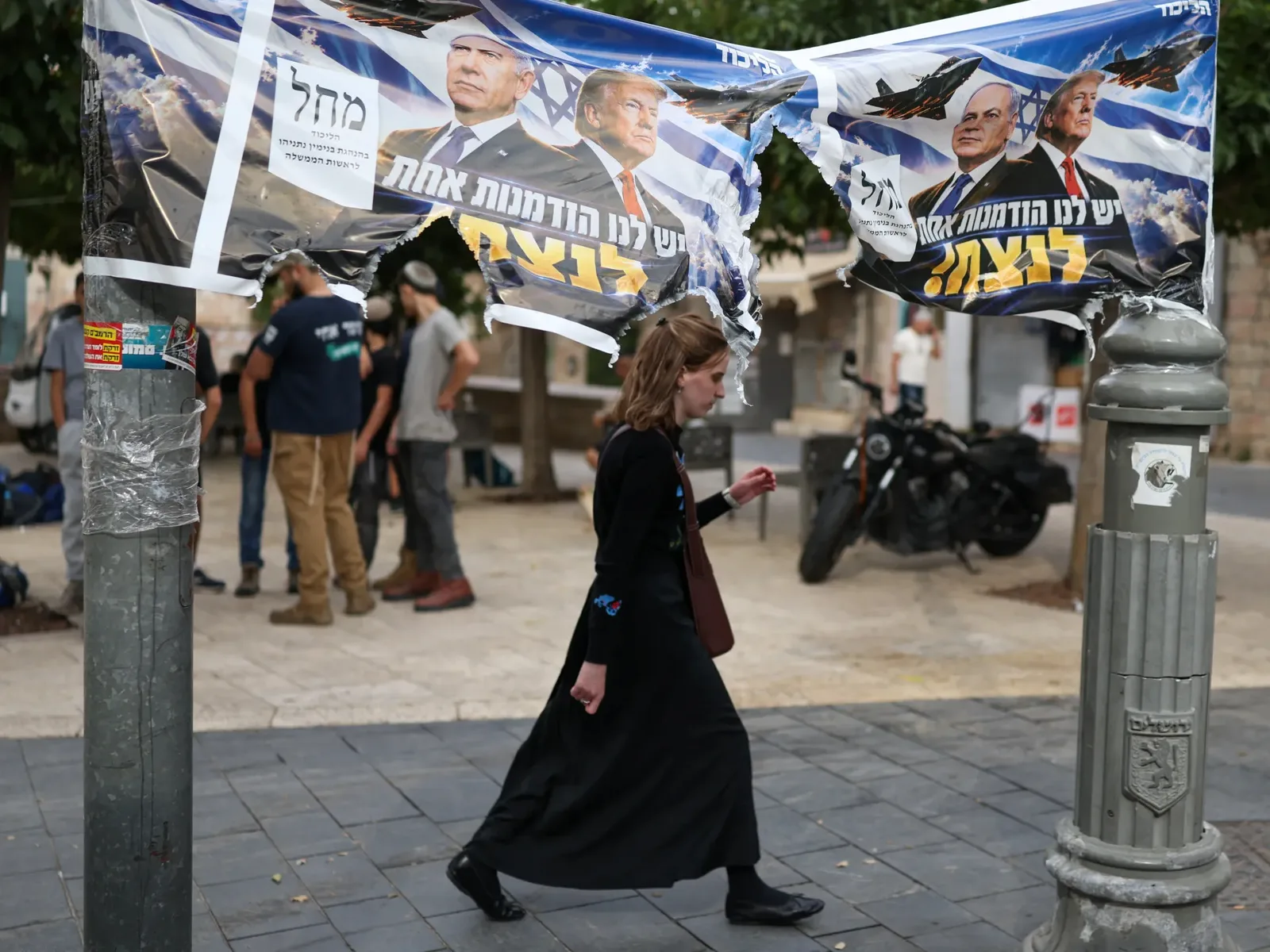
Netanyahu's bloc projected to win 53 seats; opposition led by Eisenkot expected 48 seats.
Over 500,000 special ballots remain uncounted, which could alter the final seat distribution.
Record turnout among Arab voters played a crucial role in the election outcome.
In the latest Israeli elections, nearly 90% of the votes have been counted, revealing no clear victor as both major political factions fall short of the 61 seats required to establish a government. As of Wednesday evening, the Israeli Central Elections Committee reported that over five million ballots had been tallied, with Prime Minister Benjamin Netanyahu's right-wing coalition projected to secure 53 seats in the Knesset, while the opposition bloc led by Gadi Eisenkot is expected to obtain 48 seats.
This election marks a significant moment in Israeli politics, occurring in the aftermath of the October 7 attacks and the ongoing Gaza conflict. Many view this election as a referendum on Netanyahu's leadership, which has faced increasing scrutiny. Despite not achieving a clear majority, Netanyahu remains in power as caretaker prime minister until a new government is formed. President Isaac Herzog is set to consult with party leaders next week regarding the formation of a new administration.
The election results are still pending, with more than 500,000 special ballots yet to be counted. These include votes from soldiers, diplomats, and others who voted outside their registered polling stations, which could potentially shift the current seat distribution. Analysts suggest that coalition-building will be essential, as no party has historically secured an outright majority in Israel.
The turnout among Arab voters was notably high, with projections indicating that Arab parties could collectively hold a record 19 seats. The Joint List political alliance emphasized that their voter turnout was pivotal in preventing Netanyahu's coalition from achieving a parliamentary majority. They condemned the current government’s policies and expressed their commitment to advocating for Arab citizens' rights.
Looking ahead, the political landscape remains uncertain. While Netanyahu's bloc is the largest, the possibility of forming a coalition government, potentially including Eisenkot, is still in question. Eisenkot has publicly stated that his alliance is committed to enacting change in Israel. The coming days will be critical as the final results are tallied and discussions about coalition possibilities unfold.