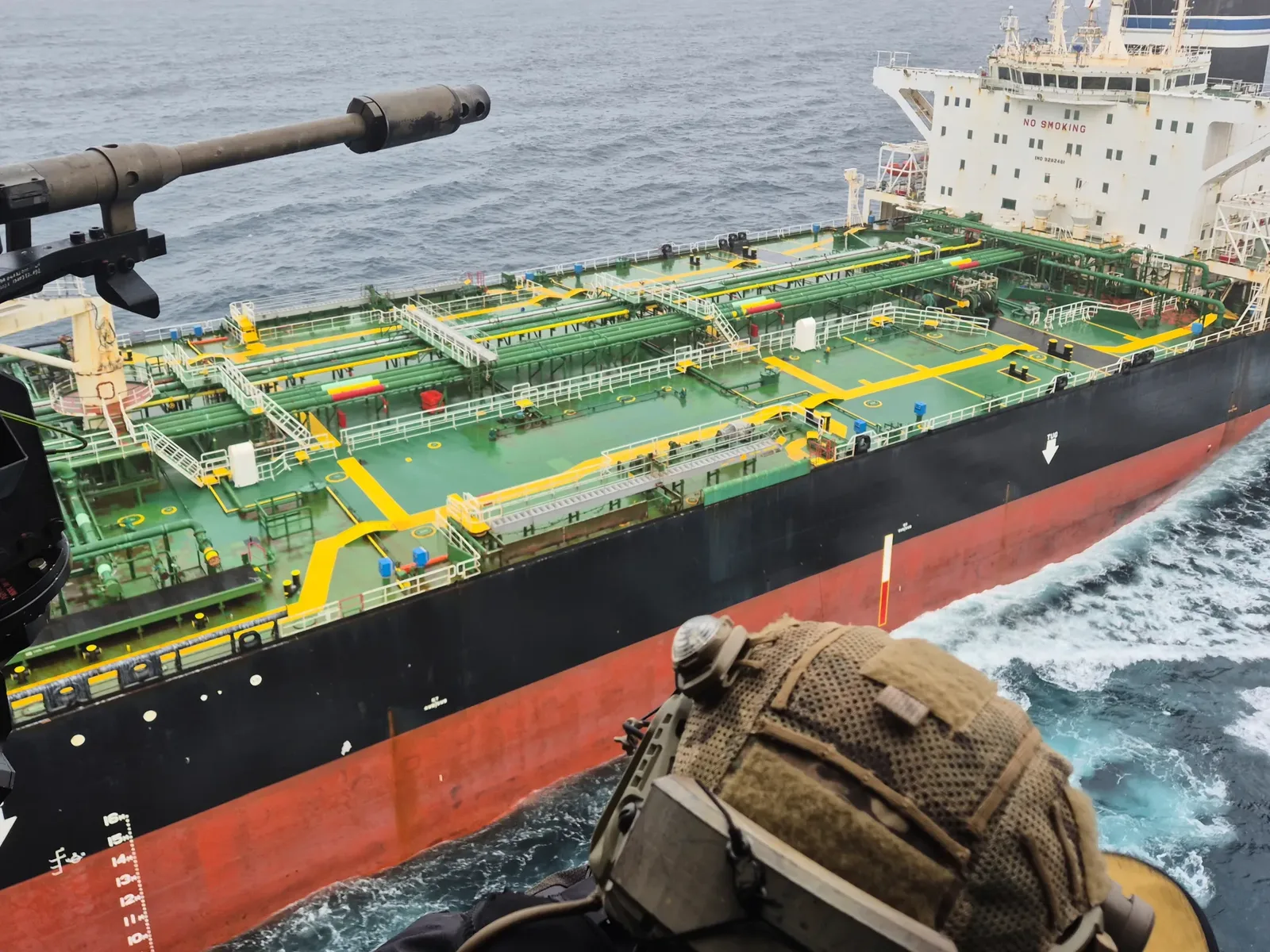
IRGC Declares Closure of Strait of Hormuz Following Supertanker Incident
Iran's IRGC has announced the closure of the Strait of Hormuz after a supertanker caught fire, escalating tensions in the region.

A supertanker exploded after hitting a naval mine in the Strait of Hormuz.
Iran's IRGC has prohibited all maritime traffic through the strait.
Tensions have risen due to recent attacks on vessels and US sanctions.
The Islamic Revolutionary Guard Corps (IRGC) of Iran has declared the Strait of Hormuz closed following a significant incident involving a supertanker. The vessel, which was reportedly carrying over 2 million barrels of crude oil, caught fire after striking a naval mine while attempting to navigate through an unauthorized route. This announcement was made by the IRGC Navy and reported by the state news agency IRNA.
The incident marks a troubling escalation in the already tense maritime environment of the Strait of Hormuz, a crucial passage for global oil shipments. The IRGC stated that the supertanker had deactivated its positioning and radar systems, allegedly to mislead Iranian maritime authorities. Moreover, the IRGC accused the vessel of seeking to transit with the support of US military forces, although the identity of the tanker and its ownership remain undisclosed.
In response to the incident, the IRGC has warned that any vessels attempting to breach its regulations will face serious consequences. This warning comes amid reports of increased attacks on commercial vessels in the region, including two other tankers that were reportedly struck off the coast of Saudi Arabia. The IRGC reiterated its stance on the closure of the strait, emphasizing the dangers of unauthorized navigation.
The geopolitical implications of this situation are significant. The Strait of Hormuz is a vital artery for global oil and liquefied natural gas trade, with approximately one-fifth of the world's energy supplies passing through it. The recent escalation follows a series of US strikes on Iranian territory and heightened sanctions, which have led Iran to adopt more aggressive tactics in the region. The IRGC's actions are seen as a means to maintain pressure on the United States and influence global oil prices.
Looking ahead, the situation remains precarious. Negotiations between Iran and the United States have stalled, particularly in light of Iran's conditions for any agreement regarding its nuclear program. As tensions continue to rise, the international community will be closely monitoring developments in the Strait of Hormuz, given its critical importance to global energy security.