Delhi Court Orders Release of CJP Founder Abhijeet Dipke
A Special Executive Magistrate has mandated the release of Abhijeet Dipke, founder of the Cockroach Janta Party, following his preventive arrest.
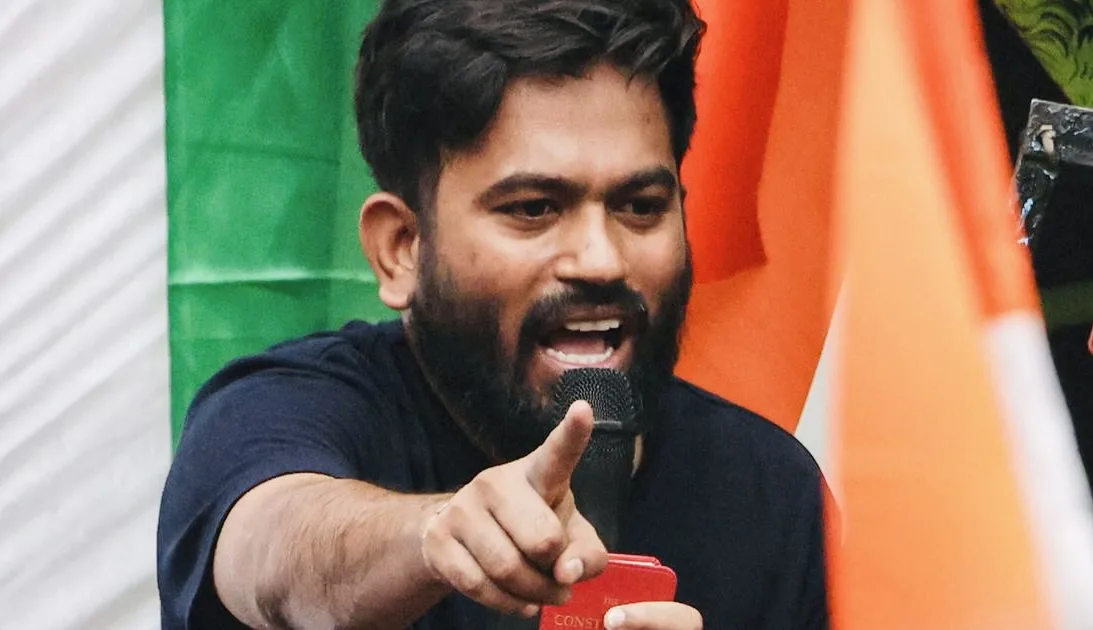
Abhijeet Dipke was detained by Delhi Police while heading to a protest.
He must comply with a peace bond requiring him to maintain peace for one year.
Dipke's detention follows previous arrests related to protests against the Chief Election Commissioner.
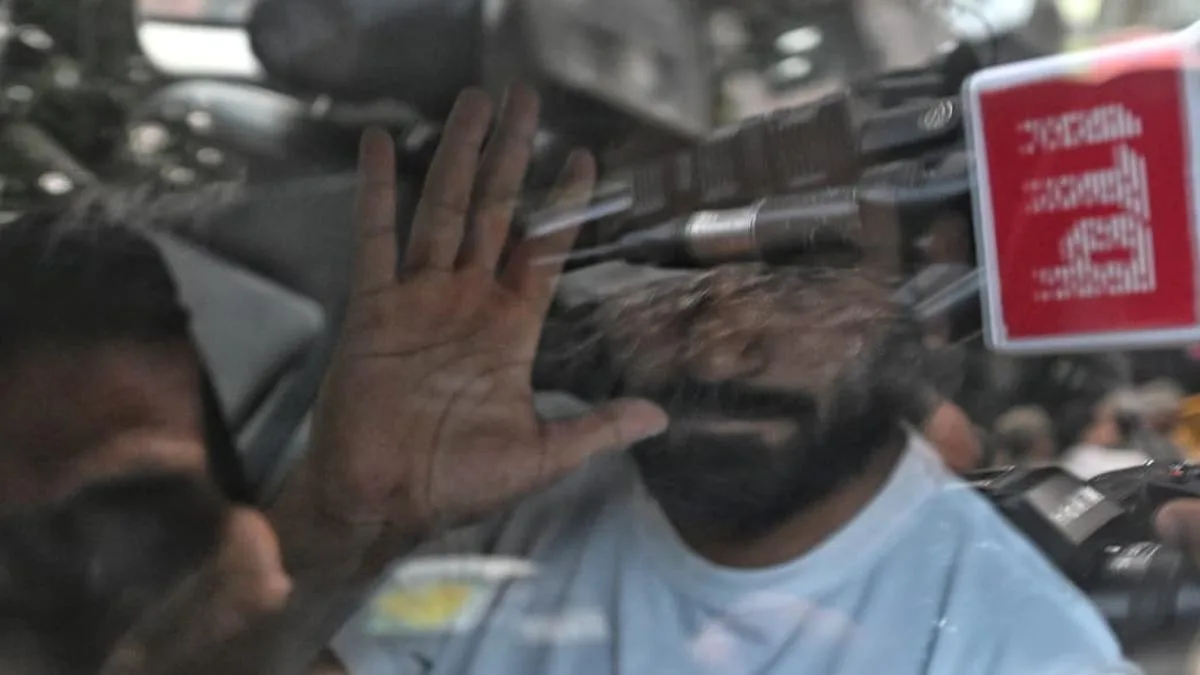
In a significant ruling, the Delhi Executive Magistrate Court has ordered the release of Abhijeet Dipke, the founder of the Cockroach Janta Party (CJP), who was detained by the Delhi Police. The order was issued on Saturday after Dipke was presented before the Special Executive Magistrate at the Mandir Marg police station. His arrest occurred on Friday evening as he was en route to Connaught Place to participate in a protest named 'Lehra Do Tiranga' organized by the CJP.
The court's decision comes with specific conditions, including a requirement for Dipke to adhere to a peace bond for one year. This bond mandates him to maintain peace and refrain from any actions that could disrupt public order. The police had previously initiated actions against him under Sections 126 and 170 of the Bharatiya Nagarik Suraksha Sanhita, 2023 (BNSS), which allow for preventive measures against potential breaches of peace.
Dipke's detention was part of a broader crackdown, as he was taken from his residence in Jhandewalan by over 20 police personnel. They issued a notice instructing him to avoid any actions that might infringe upon the rights of citizens and other stakeholders. Earlier, Dipke, along with fellow CJP leaders Saurav Das and Ashutosh Ranka, faced similar detentions upon their arrival in Delhi for protests against Chief Election Commissioner Gyanesh Kumar, from which they were released on peace bonds.
The implications of this ruling extend beyond Dipke, as it highlights ongoing tensions between the CJP and law enforcement regarding protests. The recent detentions of CJP leaders, including Das and Ranka, underscore the challenges faced by political activists in the current climate. Their earlier arrests were also linked to accusations of violating peace bonds, raising concerns about the treatment of dissenting voices in the capital.
Looking ahead, the CJP's activities and the government's response will be closely monitored, especially as they prepare for future protests. The court's ruling may set a precedent for how similar cases are handled in the future, particularly regarding the balance between maintaining public order and upholding the right to protest.