Iran's New Maritime Strategy Aims to Disrupt US Elections
Iran is implementing fresh tactics to target vessels in the Strait of Hormuz, aiming to influence US oil prices and midterm elections.
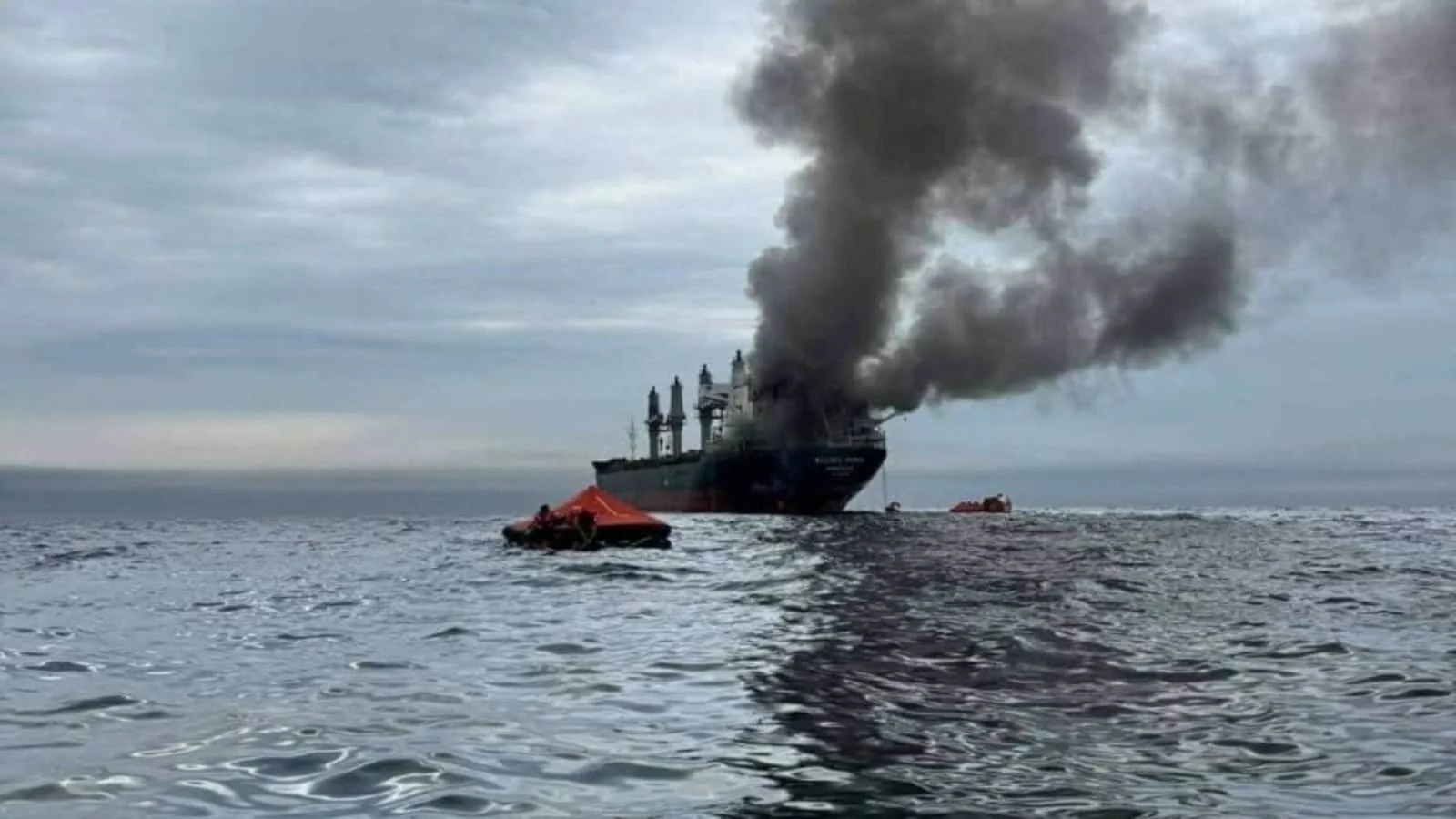
Iran has intensified attacks on ships in the Strait of Hormuz to maintain high oil prices.
New tactics include using unarmed spotters to identify targets, escalating maritime tensions.
Iran plans to expand operations beyond Hormuz, threatening shipping routes in the Gulf of Oman.
Iran has introduced new strategies to target maritime traffic in the Strait of Hormuz, aiming to manipulate oil prices and impact the upcoming US midterm elections. According to two senior Iranian officials, these tactics were developed following recent military actions by the US and Israel against Iran, which began on February 28. The Strait of Hormuz is a critical passage for global oil and liquefied natural gas, and Tehran's efforts to control this waterway have intensified in response to perceived threats from Washington.
The Iranian government has reportedly restricted navigation through the strait, which previously facilitated about 20% of the world's oil trade. This maneuver is designed to leverage geopolitical power and frustrate US efforts to lower global oil prices. One official indicated that Iran began employing different offensive tactics against vessels deemed to be violating its restrictions approximately ten days ago, resulting in a notable increase in attacks on these ships.
A US military official confirmed that Iran's tactics have shifted significantly, particularly after the US diminished Iran's radar capabilities. The Islamic Revolutionary Guard Corps (IRGC) has started utilizing unarmed spotters in small boats to identify potential targets, including US naval vessels. Recently, US forces intervened when they discovered Iranian spotters operating from a dhow, leading to the destruction of the vessel without casualties. This change in strategy reflects Iran's attempts to adapt to the loss of its naval assets while still asserting its influence in the region.
The implications of these developments are profound for global energy markets, which are already facing disruptions. The ongoing conflict has raised shipping and insurance costs, complicating efforts to restore normal maritime traffic. Reports indicate that attacks on commercial vessels in the Strait have surged, with at least five incidents occurring within 48 hours, marking the highest level of aggression since the onset of the conflict. This escalation is seen as a deliberate strategy to maintain pressure on the US and its allies.
Looking ahead, Iranian officials have stated that Tehran is moving towards a complete closure of the Strait of Hormuz for vessels that violate its restrictions. They emphasized that no ship would be safe, even outside the strait, as Iran seeks to expand its operational reach into the Gulf of Oman and beyond. The US Navy has classified the threat to merchant shipping in the region as severe, underscoring the ongoing risks posed by Iran's maritime activities.