Iran's Foreign Minister Affirms Proposal to Reopen Strait of Hormuz
Iran's offer to reopen the Strait of Hormuz within a week hinges on U.S. acceptance of specific conditions amid ongoing tensions.

Iran's foreign minister stated the proposal to reopen the Strait of Hormuz remains valid.
Negotiations are stalled due to U.S. failure to meet Iran's seven conditions.
Iran demands an end to U.S. sanctions and military hostilities as part of the agreement.
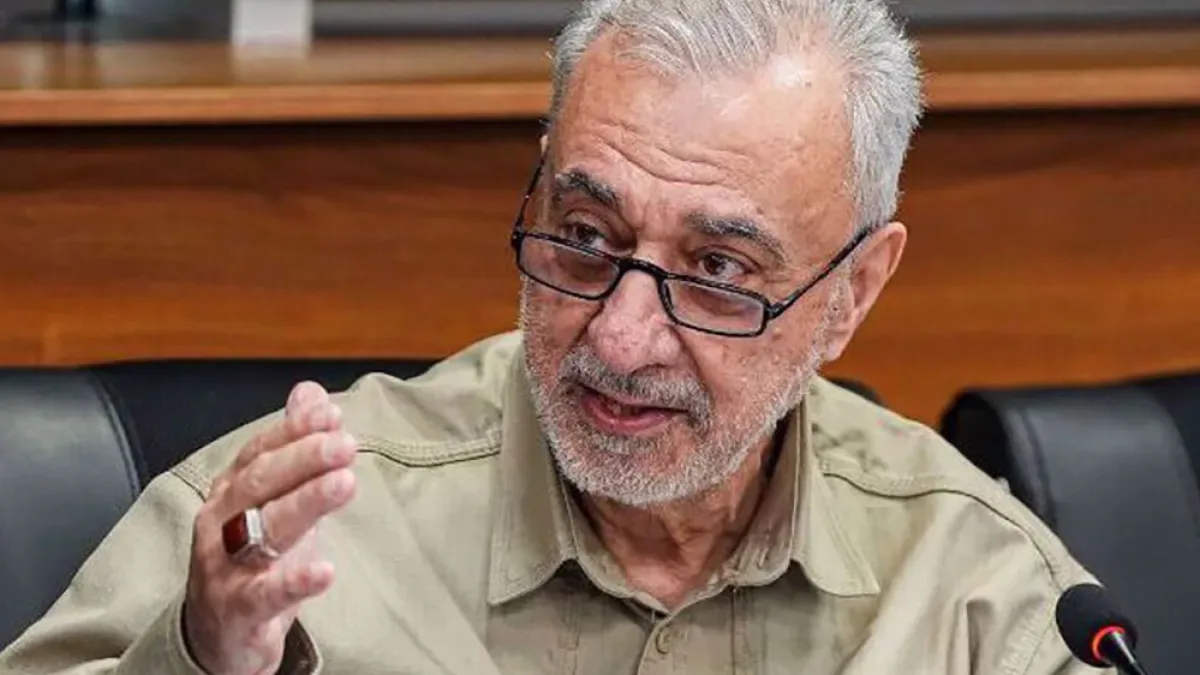
Iran's foreign minister, Abbas Araqchi, confirmed on Sunday that the nation's proposal to reopen the strategically vital Strait of Hormuz within seven days is still active. This announcement was made during his attendance at a meeting of the Organisation of Islamic Cooperation (OIC) in Baghdad, where he emphasized the ongoing discord between Tehran and Washington regarding the terms necessary to conclude their eight-month conflict.
The proposal was initially presented by Iran in mid-September following the collapse of a temporary ceasefire. Araqchi noted that while the U.S. had responded to the proposal, the negotiations have not progressed due to what he termed a lack of sincerity from the American side. He stated, "Our situation is clear and based on the seven-days proposal presented to the US... If there is any honesty on the US part, the way to reopening the Strait of Hormuz is obvious."
Iran's conditions for reopening the strait include lifting the U.S. blockade on its ports, removing sanctions on Iranian oil exports, and ceasing hostilities in the region. A significant hurdle in the discussions has been the U.S. insistence on addressing Iran's nuclear program from the outset, while Iran prefers to focus first on the strait's reopening and ensuring security in the waterway.
The Strait of Hormuz is critical, as it previously facilitated about 20% of global oil and liquefied natural gas trade. U.S. Vice President JD Vance recently stated that Iran must significantly reduce its uranium enrichment to meet U.S. demands and help resolve the conflict. Araqchi accused the U.S. of undermining diplomatic efforts, asserting that Iran would not succumb to pressure but remains open to respectful dialogue.
In related developments, U.S. President Donald Trump expressed optimism that the war with Iran would conclude swiftly, predicting lower energy costs for American consumers post-conflict. His remarks came amid a backdrop of ongoing disagreements between Washington and Tehran regarding the negotiation process, with Iran insisting that the reopening of the Strait of Hormuz and the cessation of regional hostilities be prioritized in any agreement.