Iran Gears Up for Oil Tanker Operation Amid U.S. Blockade
Tehran plans a convoy of 14 oil tankers to challenge U.S. naval restrictions, risking confrontation in the Gulf.
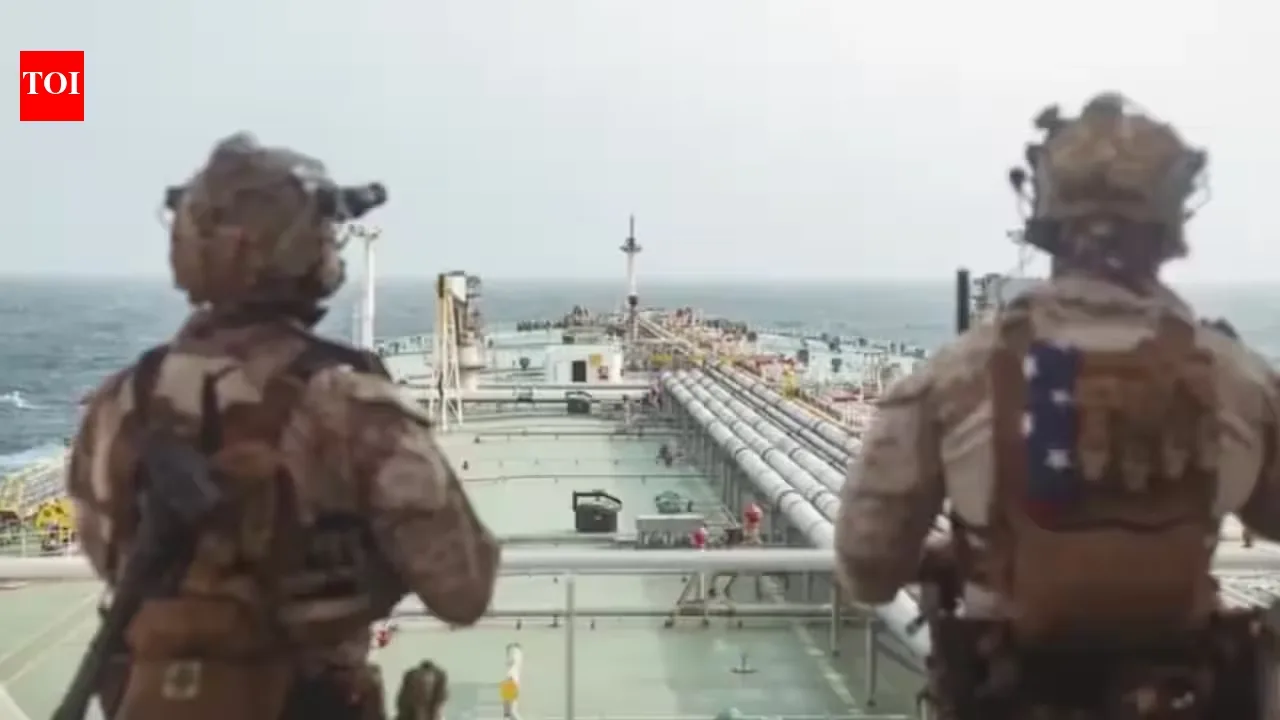
Iran is preparing over 14 oil tankers to defy U.S. naval blockade.
The operation could lead to direct confrontations with American warships.
Iran threatens retaliation against Gulf oil infrastructure if attacked.
Iran is set to challenge the United States' naval blockade with a significant operation involving more than 14 oil tankers. Reports indicate that these vessels are gathering near Kharg Island, which serves as Iran's primary crude oil export terminal, and are expected to navigate towards the Gulf of Oman. This move could escalate tensions, as Tehran has warned that any attempt by U.S. forces to intercept or attack the convoy would result in retaliatory strikes on oil facilities throughout the Persian Gulf.
The backdrop to this operation is the ongoing struggle between Iran and the U.S. over oil exports, particularly as Tehran seeks to resume shipments despite stringent restrictions imposed by Washington. Kharg Island is crucial for Iran, handling approximately 85 to 90 percent of its crude oil exports. However, there has been no official confirmation from Iranian authorities regarding the convoy's imminent departure.
According to reports from The Jerusalem Post, the operation aligns with a proposal known as the Fereydun Plan, which has gained traction in Iranian media. This plan advocates for sending a fleet of oil tankers through the U.S. blockade, drawing inspiration from the Persian epic Shahnameh, where the hero Fereydun crosses a river despite being denied passage. The article in Fars News Agency emphasizes Iran's determination to assert its right to export oil without U.S. interference.
The implications of this tanker operation extend beyond Iran, as it poses a significant risk to regional stability. The Fereydun Plan explicitly mentions potential retaliatory actions against oil infrastructure in the United Arab Emirates, Saudi Arabia, and Qatar should American forces attempt to thwart the convoy. This escalation could lead to broader conflicts affecting critical energy installations across the Gulf region.
Looking ahead, the situation remains tense as the proposed tanker operation could unfold in the coming days. Iran's readiness to confront U.S. naval forces marks a pivotal moment in the ongoing geopolitical struggle over oil exports, with the potential for significant repercussions for both regional and global oil markets.