Indian Ambassador Critiques US Lawmaker's Remarks on Voter Roll Purges
India's envoy to the US rebuffs Congresswoman Jayapal's comments regarding the removal of 130 million names from electoral rolls.
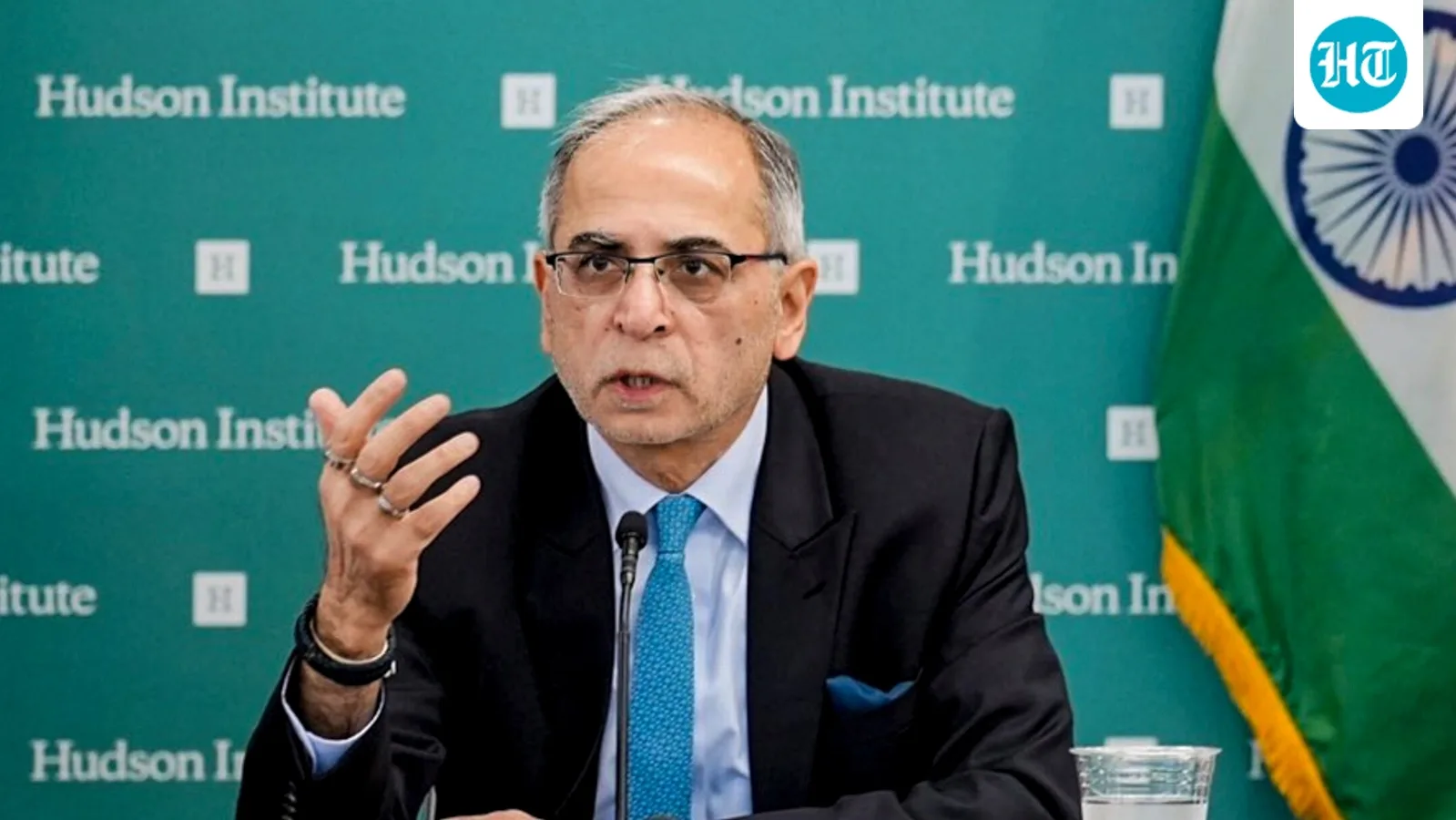
Indian Ambassador Vinay Mohan Kwatra denounces US Congresswoman Pramila Jayapal's comments as interference.
Jayapal expressed concerns over the removal of 130 million names from India's voter rolls during the Special Intensive Revision.
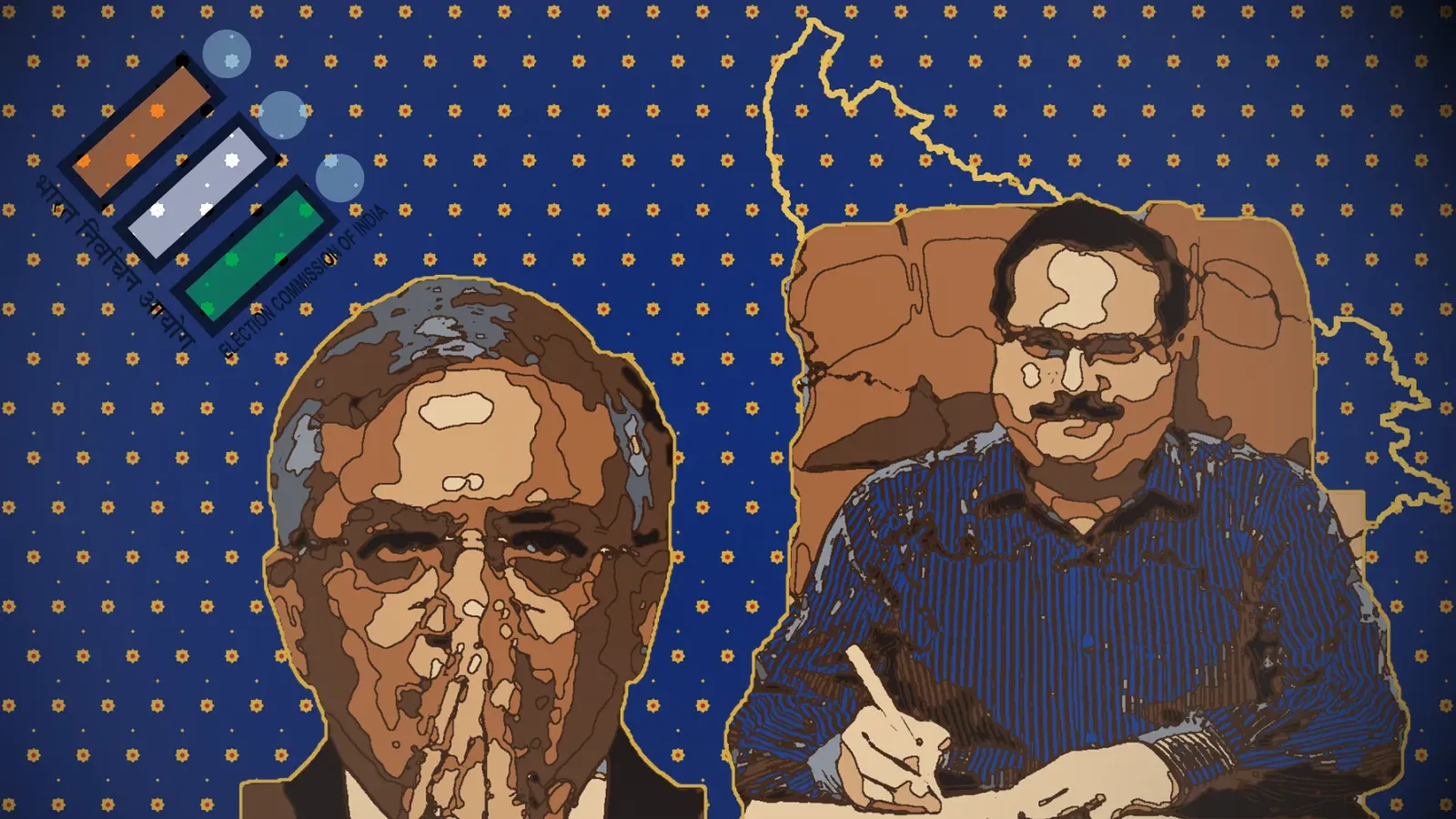
The Election Commission of India maintains that the revision is necessary for maintaining accurate electoral rolls.
India's Ambassador to the United States, Vinay Mohan Kwatra, has publicly criticized US Congresswoman Pramila Jayapal for her comments regarding the removal of approximately 130 million names from India's electoral rolls. During a recent statement, Kwatra labeled Jayapal's remarks as 'unacceptable interference' in India's internal affairs, emphasizing the country's commitment to democratic processes and free elections.
The controversy arose after Jayapal, a Democratic representative of Indian descent from Washington state, voiced her concerns over reports indicating that a significant number of names were purged from the voter rolls during the Election Commission's Special Intensive Revision (SIR) exercise. She drew parallels between these actions and similar voter suppression tactics employed by the Trump administration in the United States, stating her deep concern for the integrity of India's electoral process.
In response to Jayapal's statements, Kwatra asserted that India is a vibrant democracy with robust institutions. He invited constructive dialogue to address what he termed her misconceptions about the electoral process in India. The Election Commission has stated that the SIR is a necessary procedure to update voter lists by removing deceased voters and correcting duplicate registrations, asserting that eligible voters can still apply for inclusion in the rolls.
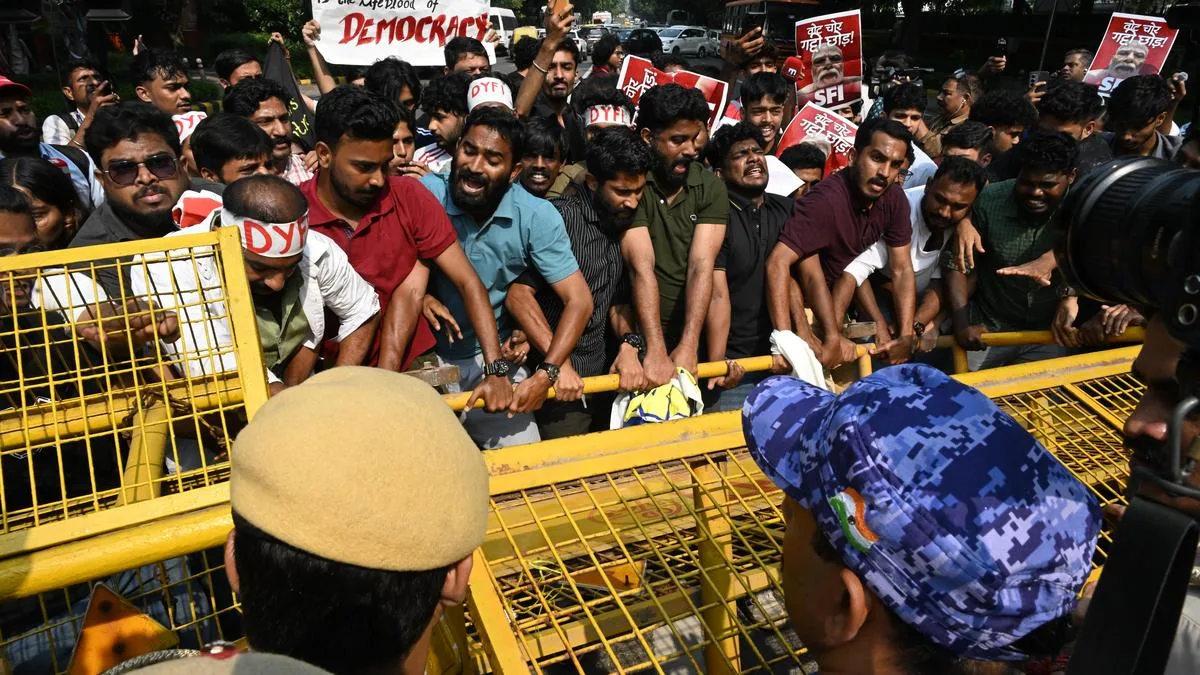
The issue has sparked significant debate within India, with opposition parties alleging that the scale of the removals is politically motivated, aimed at benefiting the ruling Bharatiya Janata Party (BJP) led by Prime Minister Narendra Modi. They argue that the revisions could disenfranchise millions of eligible voters, while the Election Commission has defended its actions as essential for maintaining electoral integrity.
Looking ahead, the political ramifications of this controversy are likely to unfold as the Election Commission continues its revision process. The situation may also lead to further discussions between Indian officials and US lawmakers regarding electoral integrity and democratic practices. As the SIR progresses, it remains to be seen how these developments will impact India's political landscape and its relations with the United States.