India's Protests Reflect a Nation of 'Million Mutinies'
Recent protests across India highlight the awakening of individual voices and the demand for accountability and recognition.
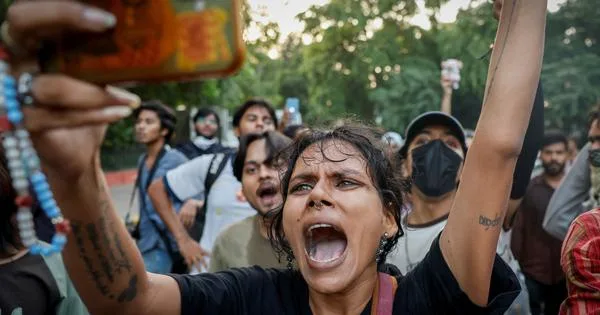
Protests are emerging from diverse groups, including youth, farmers, and marginalized communities.
The concept of 'mutinies' signifies a growing confidence among citizens to question authority.
Dissent is viewed as a vital aspect of a healthy democracy, challenging the notion of nationalism as mere conformity.
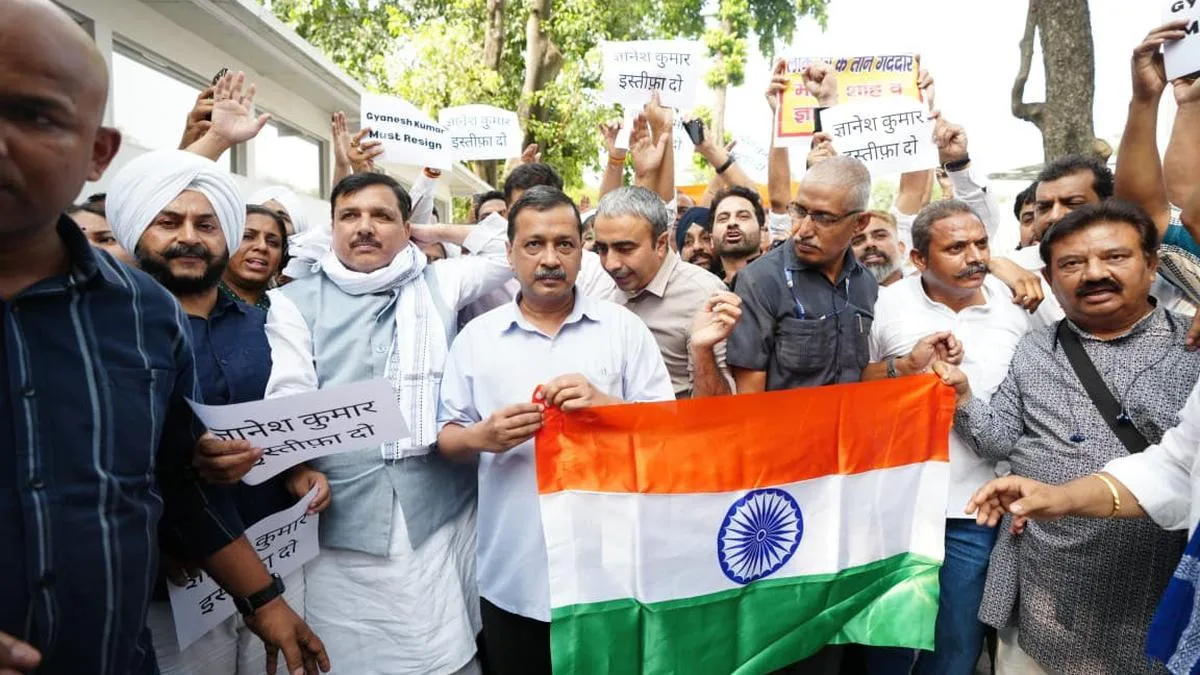
In recent weeks, India has witnessed a surge of protests, echoing the sentiment expressed by VS Naipaul in his 1990 work, 'India: A Million Mutinies Now.' These demonstrations, which span various demographics and ideologies, signify a collective awakening among citizens who are increasingly asserting their rights and identities. From young activists demanding accountability to farmers voicing their grievances, the protests reflect a nation in the throes of social change.
Naipaul's observations about India's evolving landscape resonate strongly today. He noted that the emergence of individual freedom often leads to friction and demands for change. This friction is evident in the current protests, which are not merely signs of discontent but rather indicators of a vibrant democracy where citizens feel empowered to express dissent. The protests challenge the status quo and highlight the diverse voices that make up the Indian populace.
The protests encompass a wide range of issues, from social justice and environmental concerns to demands for political accountability. Young people are at the forefront, questioning established norms and advocating for a more inclusive society. Farmers, too, are mobilizing to address their economic struggles, while marginalized communities are demanding recognition and dignity. This multifaceted approach to dissent illustrates that the protests cannot be easily categorized into a single ideology; rather, they represent a tapestry of voices seeking change.
The implications of these protests extend beyond immediate grievances. They underscore the importance of dissent in a democracy, challenging the notion that patriotism equates to conformity. As citizens assert their rights, they contribute to a more dynamic and responsive political landscape. This moment in India serves as a reminder that a healthy democracy thrives on disagreement and dialogue, rather than silence and compliance.
Looking ahead, the future of these protests will depend on how the government responds to the demands of its citizens. As the nation grapples with these issues, the question remains: will India embrace the spirit of mutiny as a catalyst for growth and transformation? The ongoing protests could pave the way for a more inclusive and equitable society, reflecting the true essence of a democratic nation.