Rajnath Singh Criticizes Congress Amid Protests Against CEC
Union Defence Minister Rajnath Singh condemns Congress for alleged attempts to destabilize democracy during protests against the Chief Election Commissioner.
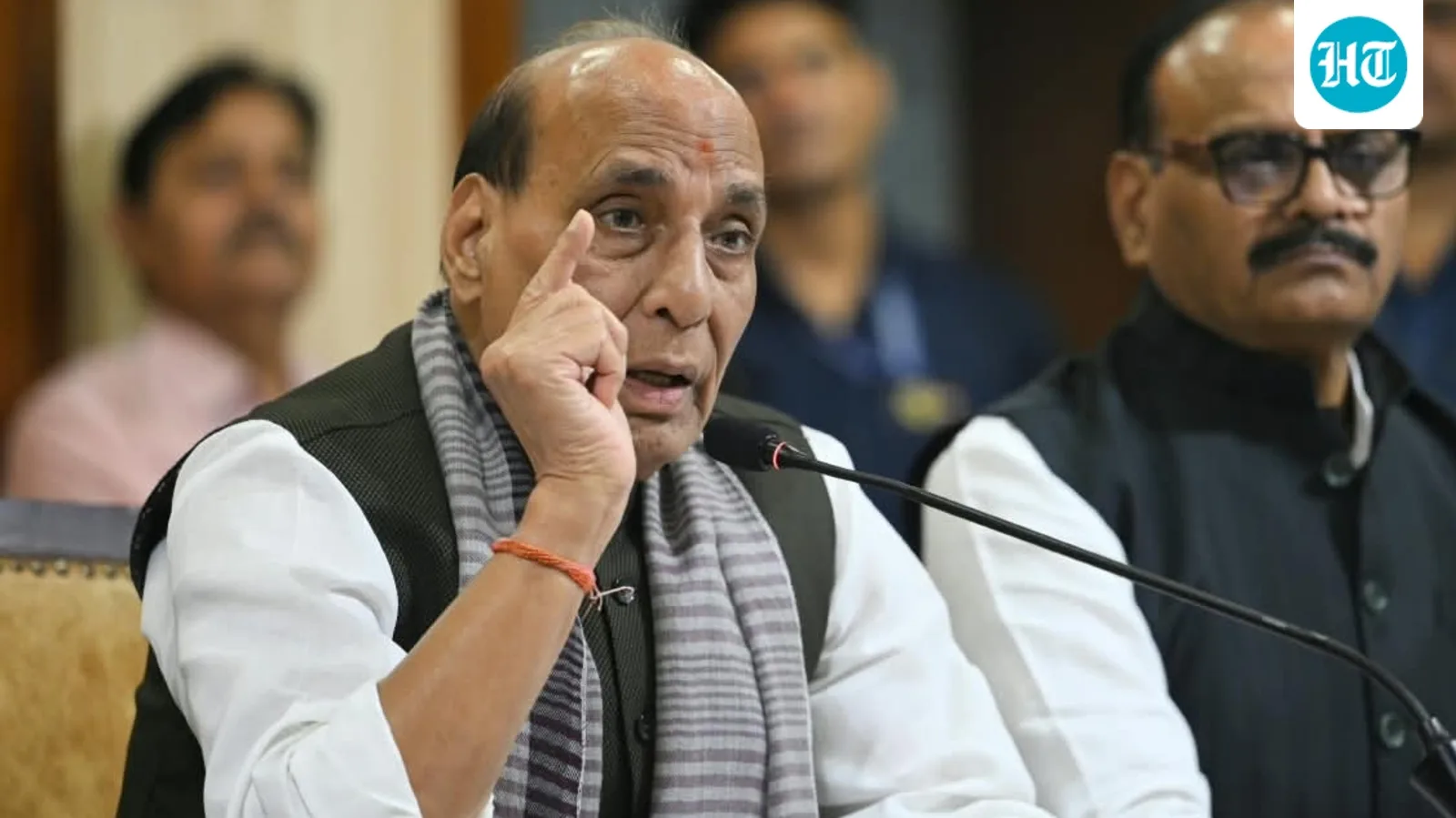
Rajnath Singh accuses Congress of seeking power through chaos.
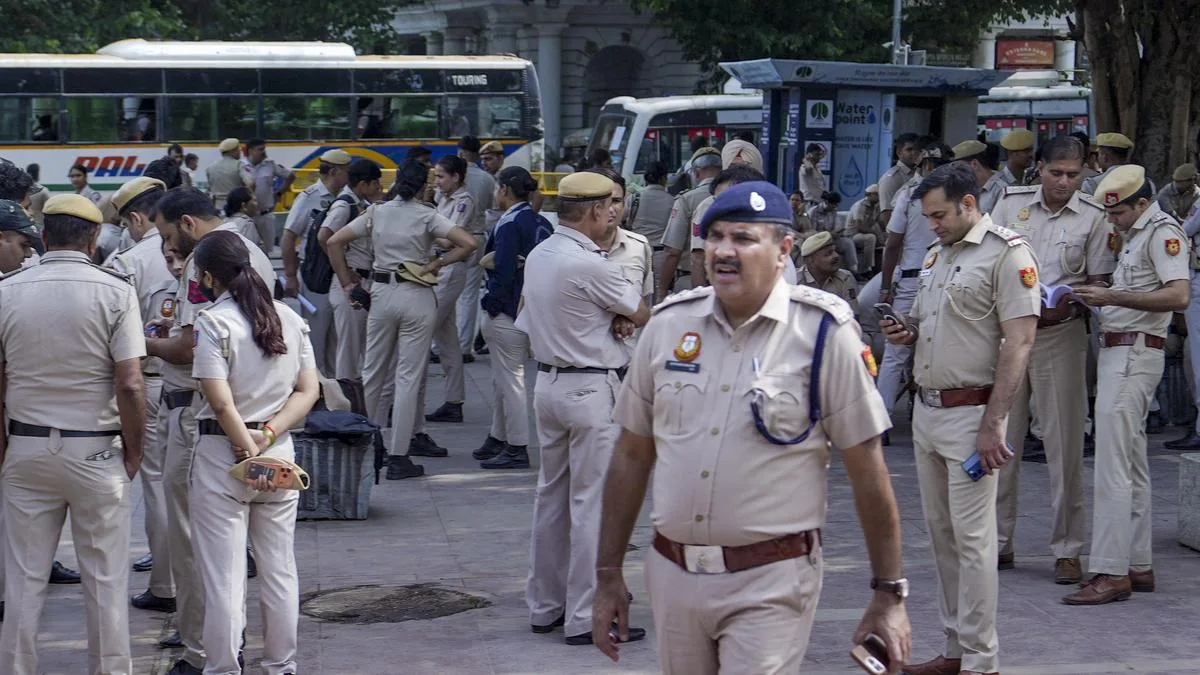
Protests against Chief Election Commissioner Gyanesh Kumar have escalated, leading to heavy security measures.
Singh cites historical failures of Congress to emphasize current political instability.
In a recent address in Lucknow, Union Defence Minister Rajnath Singh launched a scathing critique of the Congress party, accusing it of attempting to destabilize democracy through ongoing protests against Chief Election Commissioner Gyanesh Kumar. Singh characterized these protests as a conspiracy to seize power rather than a genuine call for electoral reform, asserting that such actions threaten the very foundations of constitutional governance.
The backdrop to Singh's remarks includes widespread demonstrations demanding the removal of Kumar and the annulment of the Special Intensive Revision (SIR) of the electoral roll. Tens of thousands have taken to the streets, prompting authorities to implement stringent security measures, including Internet shutdowns and the deployment of 40,000 personnel to maintain order. Singh's comments reflect a broader concern within the ruling Bharatiya Janata Party (BJP) regarding the opposition's tactics amidst perceived electoral failures.
Singh emphasized that the protests are not about genuine electoral concerns but are instead politically motivated actions aimed at inciting chaos. He urged Congress leader Rahul Gandhi to reflect on the party's past, referencing historical events such as the Emergency of the 1970s and the anti-Sikh riots of 1984 as significant failures under Congress leadership. Singh contended that these actions represent the fourth unpardonable crime against the Constitution, further accusing Congress of undermining democratic institutions.
The implications of Singh's statements extend beyond party politics, as they highlight ongoing tensions between the ruling party and the opposition in India. The BJP's narrative positions itself as a defender of constitutional values, while Congress faces accusations of political opportunism. This conflict raises questions about the stability of democratic institutions in the face of escalating protests and political unrest.
Looking ahead, the political landscape remains fraught with uncertainty as protests continue and the government responds with heightened security measures. The BJP's strategy appears focused on countering opposition narratives while reinforcing its commitment to constitutional integrity. Upcoming political developments will likely hinge on how both parties navigate this charged environment and address the underlying issues that have led to public discontent.