India-New Zealand Free Trade Agreement Takes Effect on October 20, 2026
The FTA eliminates tariffs on Indian exports and introduces new visa categories for Indian professionals.
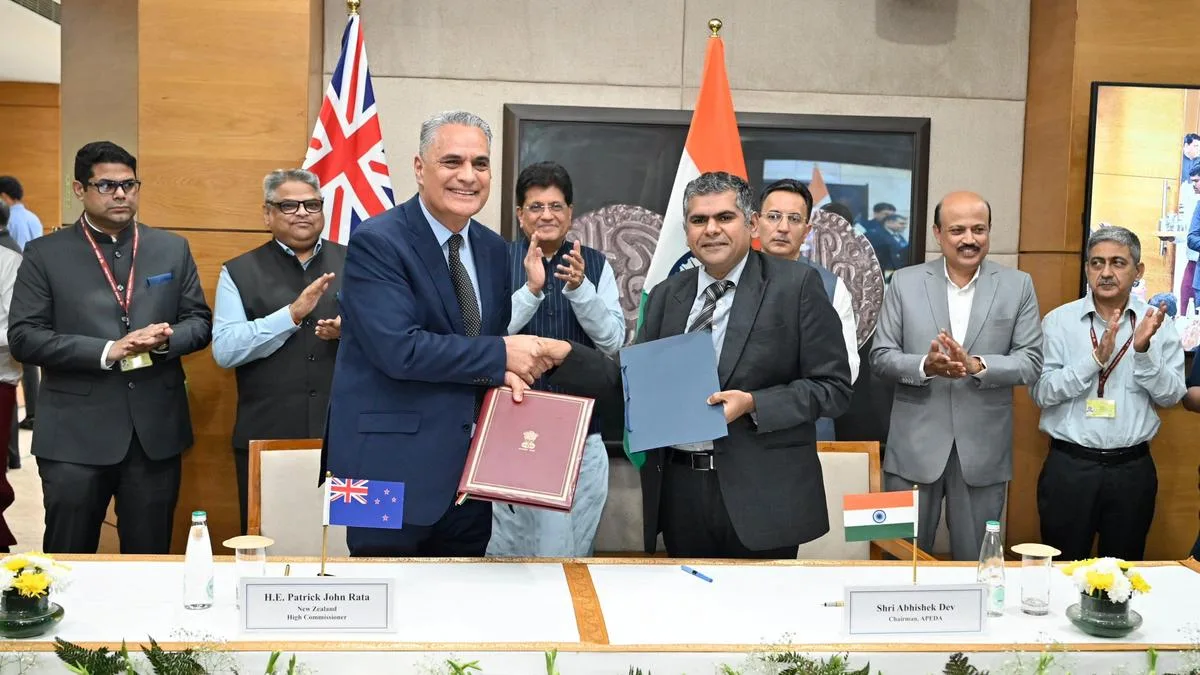
The FTA grants 100% duty-free access for Indian exports to New Zealand.
New visa categories for skilled workers and Indian students are introduced.
India offers tariff concessions on 70% of its tariff lines to New Zealand.
On October 20, 2026, India's free trade agreement (FTA) with New Zealand officially came into effect, marking a significant milestone in bilateral trade relations. This agreement eliminates all tariffs on Indian exports to New Zealand, which is expected to enhance trade volumes significantly. Additionally, the FTA is projected to bring in $20 billion in foreign direct investment into India, further solidifying economic ties between the two nations.
The FTA was signed on April 27, 2026, in New Delhi and subsequently ratified on September 21, 2026, following legislative approval from New Zealand’s Parliament on September 16. This agreement is particularly notable as it represents the first instance where India has secured full duty-free access across all product categories upon the FTA's enforcement.
Under the terms of the agreement, New Zealand will provide 100% duty-free access to Indian exporters, covering all tariff lines. This change is expected to eliminate the tariff disadvantage that Indian exporters previously faced, which could be as high as 10%. Key sectors poised to benefit from this agreement include fruits, vegetables, textiles, pharmaceuticals, and engineering goods, among others.
Conversely, India will offer tariff concessions on approximately 70% of its tariff lines, which accounts for about 95% of the current bilateral trade value. Certain products, such as apples and kiwifruit, will be subject to duty-based quotas and minimum import price provisions to protect local farmers while allowing for calibrated imports.
Looking ahead, the FTA also introduces new visa pathways for Indian professionals. The New Zealand government announced the establishment of two new Temporary Employment Entry (TEE) visa categories, which will facilitate work opportunities for highly skilled Indian workers and expand post-study work rights for Indian graduates. This initiative aims to strengthen the workforce collaboration between the two countries, enhancing the overall economic partnership.