Impact of U.S. Midterm Elections on India's Geopolitical Strategy
The recent U.S. midterm elections could reshape India's geopolitical landscape more than its bilateral ties with the U.S.
Democrats are expected to secure a majority in the House and Senate.
President Trump may face limitations on both domestic and foreign policies.
India's geopolitical maneuverability could be affected by U.S. policy shifts.
The outcome of the recent U.S. midterm elections is anticipated to have a significant influence on global geopolitics, particularly affecting India's strategic positioning rather than directly altering India-U.S. relations. With the Democrats likely to gain a substantial majority in the House of Representatives and a favorable standing in the Senate, President Trump may encounter constraints that could reshape his administration's approach to foreign affairs.
Historically, midterm elections have served as a barometer for the sitting president's popularity and policy effectiveness. In this instance, the anticipated Democratic majority could lead to increased scrutiny of Trump's foreign policy decisions, particularly regarding contentious issues such as military engagements and international diplomacy. This shift may provide India with a more complex operating environment as it navigates its own geopolitical interests.
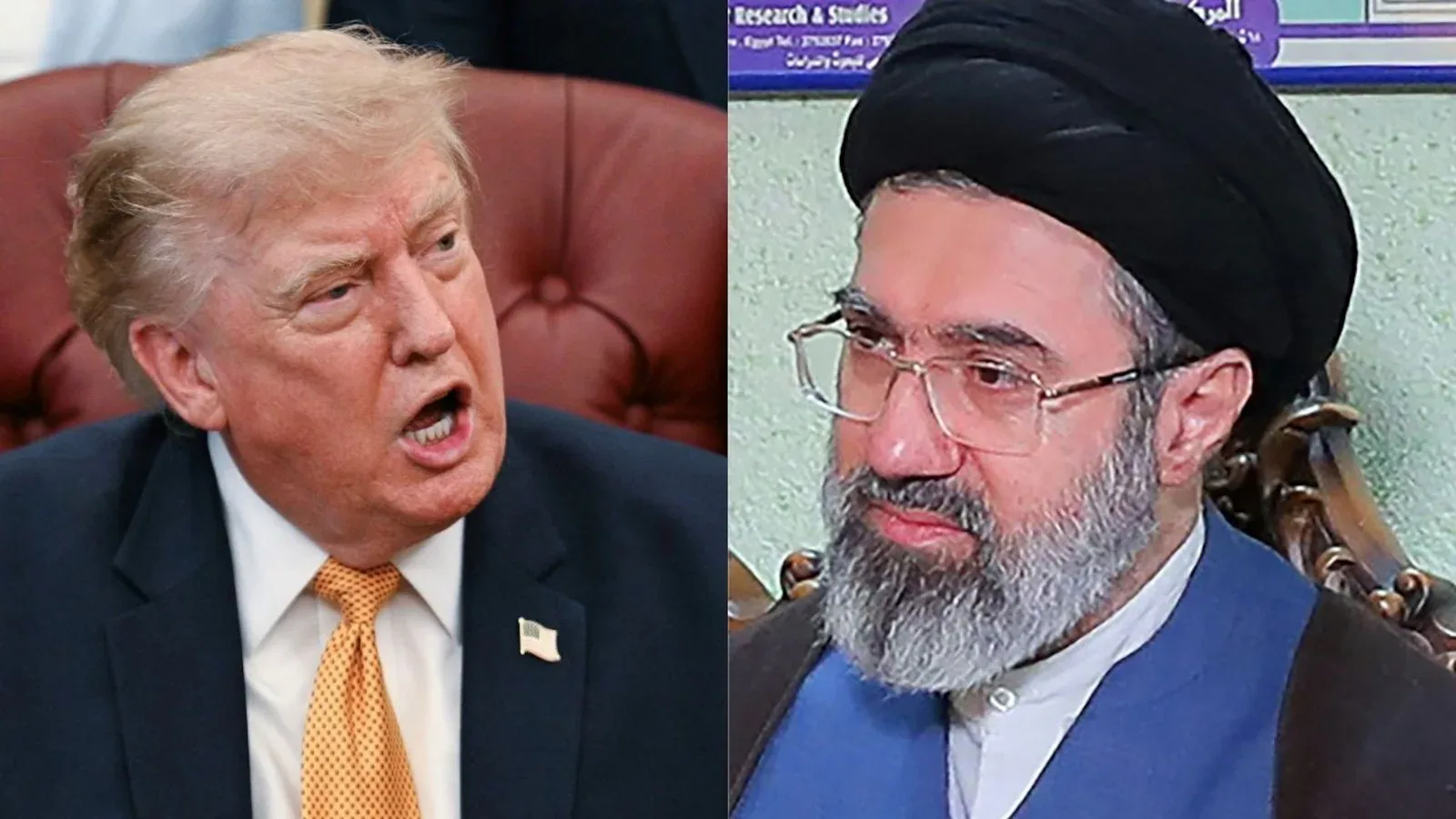
In the wake of the election results, President Trump reaffirmed his controversial decision to engage militarily with Iran earlier this year, attributing some of the Republican losses to this stance. While he has expressed a commitment to his policies, the election outcome may necessitate a reevaluation of his approach to Iran and other international conflicts. Observers in New Delhi are keenly monitoring these developments, as any changes could directly impact India's foreign policy strategies.
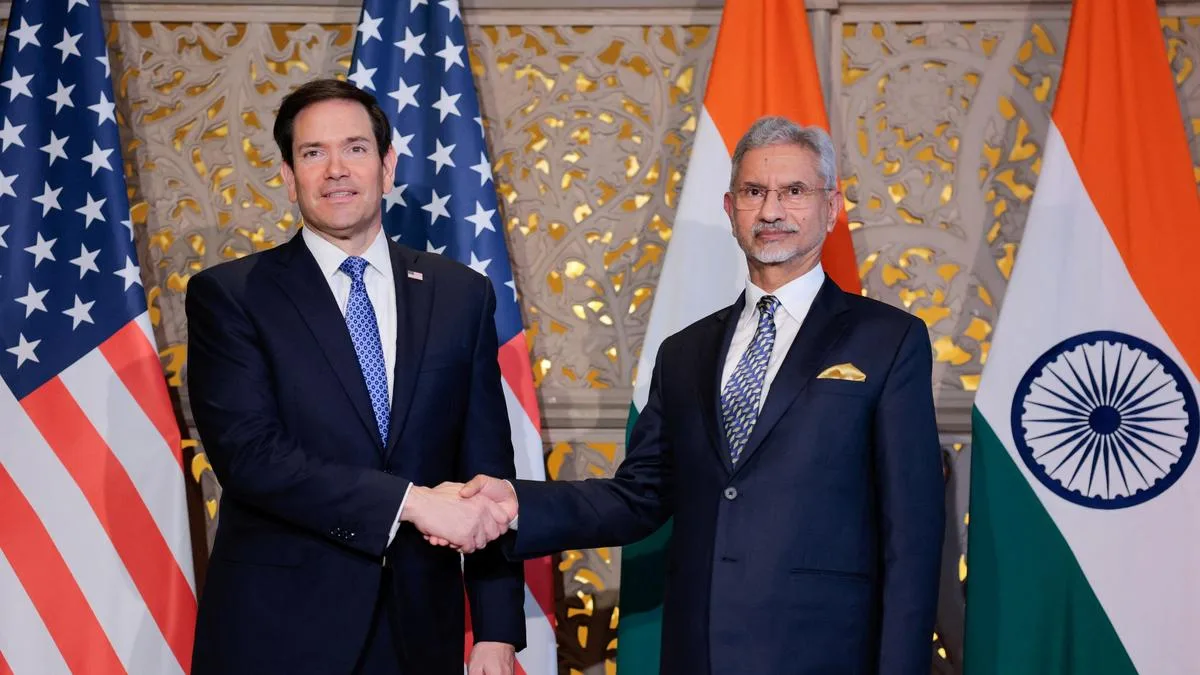
The implications of these elections extend beyond the immediate U.S.-India relationship. A Democratic majority could lead to a more multilateral approach in U.S. foreign policy, potentially fostering closer ties with allies and partners in Asia. For India, this could mean both opportunities and challenges as it seeks to assert its influence in a rapidly changing geopolitical landscape.
Looking ahead, the next steps for India involve closely observing the U.S. Congress's actions and the administration's policy shifts. As the new congressional session begins, India will need to adapt its strategies to align with the evolving dynamics of U.S. foreign policy, particularly in relation to regional security and economic partnerships.