ICJ Declares Myanmar Committed Genocide Against Rohingya
In a landmark ruling, the International Court of Justice has found Myanmar guilty of genocide against the Rohingya minority, demanding safe repatriation and compensation.
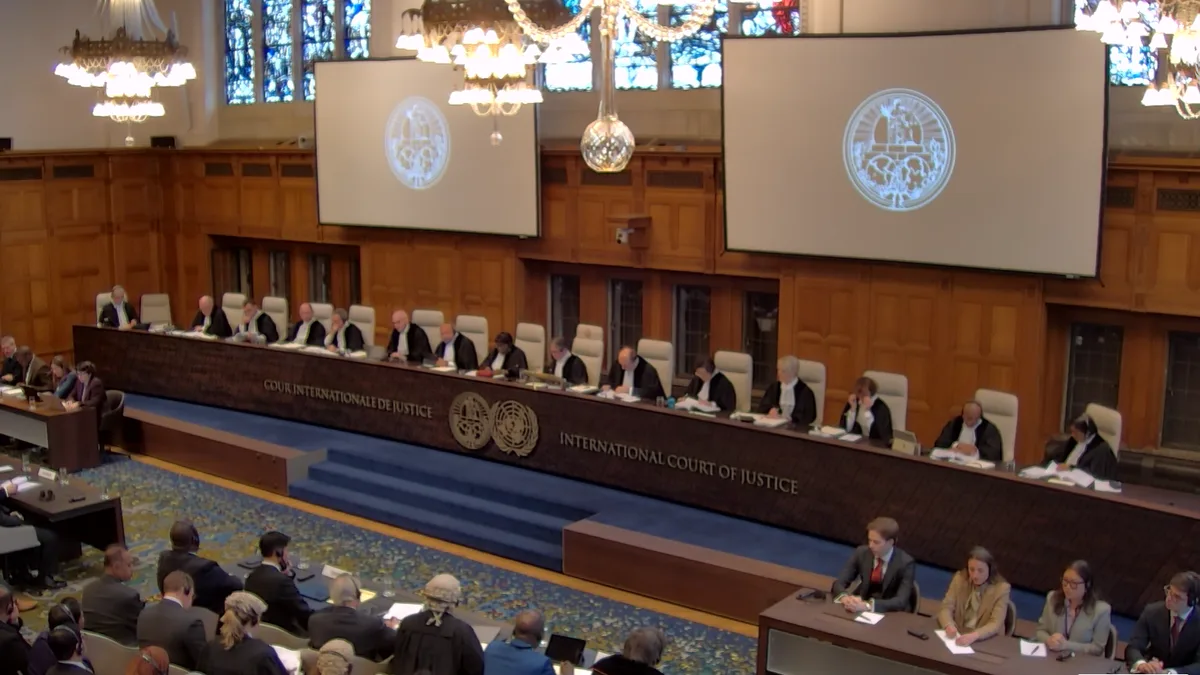
The ICJ's ruling marks the first genocide verdict in its 80-year history.
Myanmar's military actions in 2017 led to the deaths of approximately 10,000 Rohingya.
The court's decision may increase international pressure on Myanmar's leadership.
The International Court of Justice (ICJ) has officially ruled that Myanmar committed genocide against the Rohingya minority, a historic decision announced on November 19, 2026. This ruling is particularly significant as it marks the first time in the court's 80-year history that it has determined a state guilty of genocide. The court has mandated that Myanmar facilitate the safe and dignified return of Rohingya refugees to their homeland and provide compensation for the atrocities committed.
The ruling stems from Myanmar's brutal military crackdown on the Rohingya in 2017, which forced hundreds of thousands to flee to neighboring Bangladesh. ICJ President Yuji Iwasawa detailed the extensive evidence of Myanmar's actions, which included widespread killings, sexual violence, and the systematic destruction of Rohingya villages. The court's findings suggest that around 10,000 Rohingya were killed during these operations, indicating a deliberate intent to eliminate the population, a key criterion for genocide.
In response to the ruling, the court has ordered Myanmar to allow the safe and voluntary return of displaced Rohingya individuals. UN Secretary-General Antonio Guterres has urged Myanmar to comply with this directive. Furthermore, the ICJ has instructed Myanmar to investigate and hold accountable those responsible for the genocide, with compensation to be determined later. While the ICJ's decisions are binding, enforcement remains a challenge, raising questions about Myanmar's adherence to the ruling.
The implications of this ruling extend beyond Myanmar, as it may intensify international scrutiny on the country's military leadership, particularly Min Aung Hlaing, who oversaw the crackdown and later led a coup in 2021. The ruling has already prompted Britain to expel Myanmar's defense attaché, signaling a shift in diplomatic relations. Legal experts are also observing this case closely, as it may set a precedent for other ongoing international legal matters involving allegations of genocide.
Looking ahead, the focus will be on whether Myanmar will comply with the ICJ's orders and the potential repercussions for the Rohingya community still residing in Myanmar. Activists have expressed concerns about possible backlash against Rohingya individuals in the country, emphasizing the need for global vigilance to prevent further atrocities. The ruling offers a glimmer of hope for justice for the Rohingya, who have endured immense suffering and displacement over the years.