Trump Opposes Global AI Regulation Ahead of Xi-Putin Talks
In a pivotal trilateral meeting, Trump emphasizes U.S. resistance to global AI regulations while engaging with Xi Jinping and Vladimir Putin.
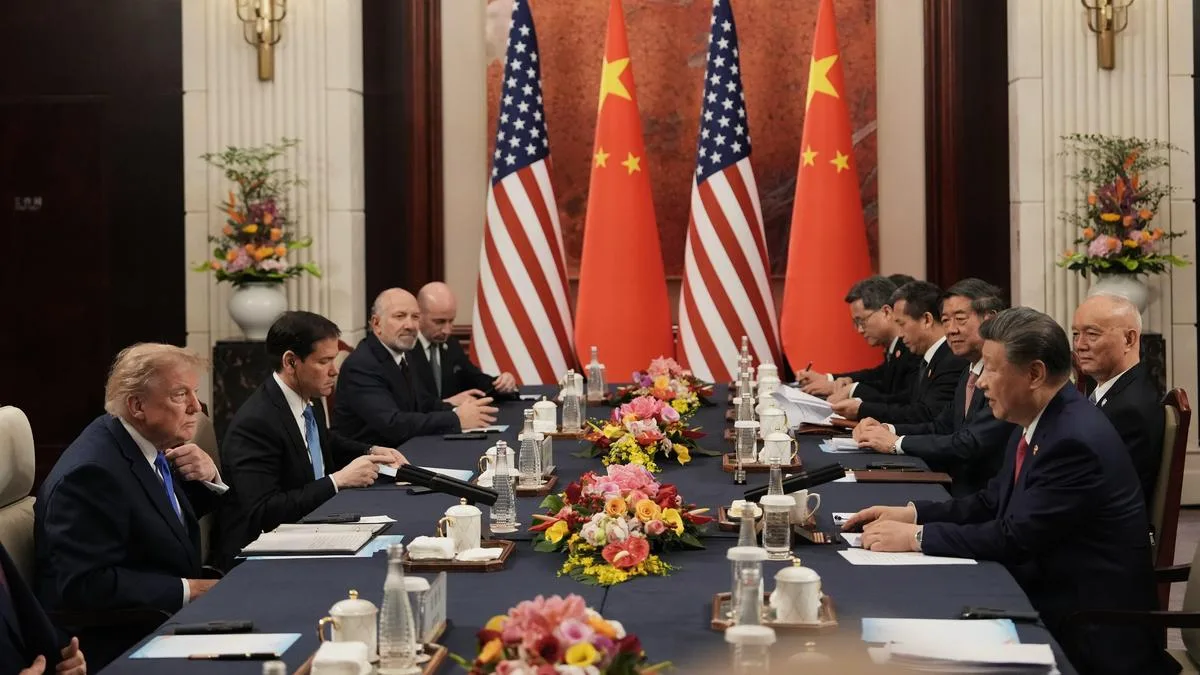
Trump asserts U.S. opposition to globalist AI regulations during talks.
The meeting draws historical parallels to the 1945 Yalta Conference.
Ukraine conflict remains a significant topic among the leaders.
In a significant trilateral meeting held on November 19, 2026, U.S. President Donald Trump met with Chinese President Xi Jinping and Russian President Vladimir Putin in Shenzhen, China. This gathering, which has drawn comparisons to the 1945 Yalta Conference, aims to address pressing global issues, including the ongoing conflict in Ukraine and the regulation of artificial intelligence (AI).
The historical context of this meeting is underscored by its resemblance to the Yalta Conference, where leaders divided post-war Europe. Experts note that while the Kremlin dismisses these comparisons, the meeting symbolizes a shift towards a multipolar world, with Russia advocating for a more balanced global influence. Fyodor Lukyanov, a foreign policy analyst, remarked that Russia seems to believe in the potential for global agreements that could shape future developments.
During the talks, Trump reiterated the U.S. stance against any form of global regulation of AI, labeling it as a threat to national interests. He emphasized the need for careful management of AI technologies, stating, "We oppose any form of globalist regulation or anything to control and stifle super intelligence." This statement reflects ongoing tensions regarding technological governance between the U.S. and China.
The implications of this summit extend beyond the immediate discussions, particularly concerning the Ukraine conflict. Recent strikes by Ukraine on the Crimean Bridge highlight the ongoing tensions and the complexities surrounding the peace negotiations. Analysts suggest that the outcomes of this meeting may not yield significant agreements due to deep-seated differences among the leaders, particularly regarding military and territorial issues.
Looking ahead, the trilateral summit is expected to set the stage for future dialogues on international relations and conflict resolution. The leaders aim to project a united front while navigating their respective national interests. As the world watches closely, the outcomes of this meeting could influence geopolitical dynamics and the future of U.S.-China-Russia relations.