ICC Condemns U.S. Sanctions as Attack on International Law
The International Criminal Court asserts that U.S. sanctions undermine global legal standards and vows to continue its work.
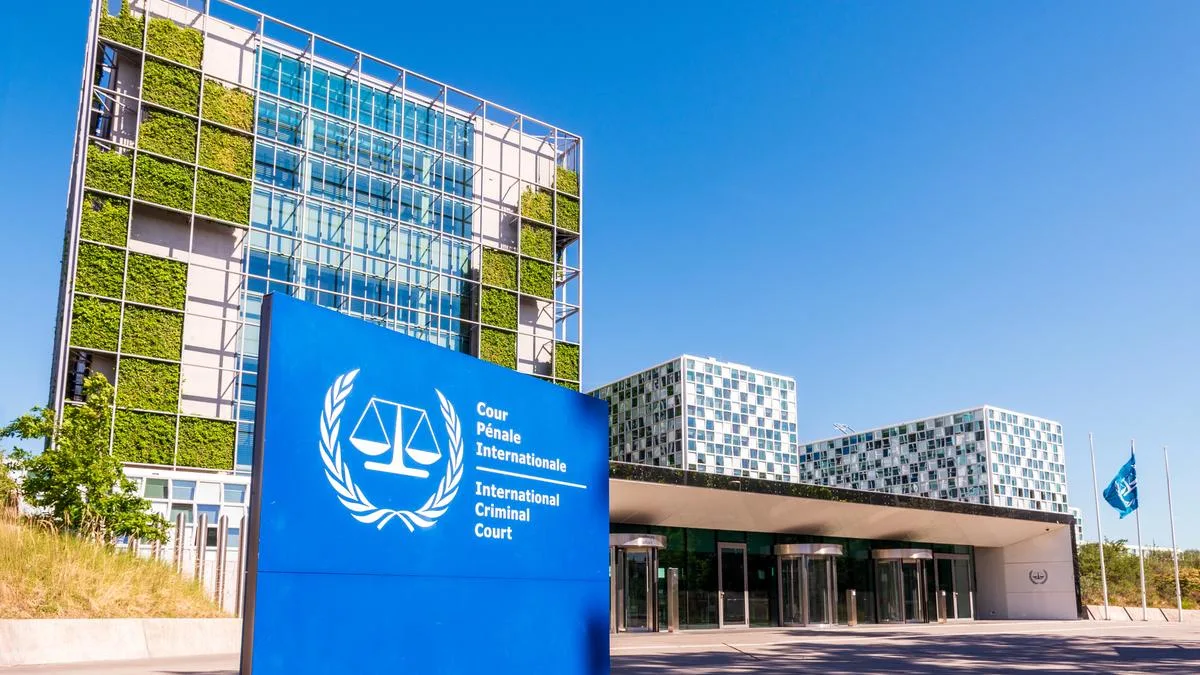
ICC labels U.S. sanctions as an assault on international law.
U.S. Secretary of State Marco Rubio announced a ban on transactions with the ICC.
ICC President emphasizes the court's commitment to impartiality and independence.
On October 9, 2026, the International Criminal Court (ICC) publicly condemned the recent sanctions imposed by the United States, describing them as a direct attack on international law. The court's statement emphasized that these actions undermine the foundational principles of the global legal system, asserting that no individual or entity is above the law.
The U.S. sanctions were announced by Secretary of State Marco Rubio, who characterized the ICC as a 'rogue court.' This move is seen as part of a broader campaign initiated by the Trump administration against the ICC, which has faced criticism for its investigations into war crimes and human rights violations.
In its response, the ICC warned that such sanctions are intended to intimidate its staff and disrupt its operations. ICC President Tomoko Akane reaffirmed the court's commitment to its mandate, stating that it would continue to operate independently and impartially, focusing solely on legal evidence to serve the victims of serious crimes.
The ICC also called upon its 125 member states to support the institution in light of these challenges, highlighting that the future of the ICC depends on the backing of the nations that established it. The court reminded the global community that future generations will scrutinize how the world responded to attacks on an institution designed to protect victims of atrocities.
Looking ahead, the ICC remains resolute in its mission, indicating that it will not be swayed by external pressures. The court's leadership is expected to engage with member states to reinforce support and maintain its operational integrity amidst ongoing geopolitical tensions.