High-Level Talks Scheduled in Tehran Among Mecca Pact Nations
Delegations from Saudi Arabia, Turkiye, and Pakistan will meet in Iran to discuss regional security amidst escalating tensions.
First high-level meeting between Iran and Mecca pact countries since increased Houthi attacks on Saudi Arabia.
Saudi, Turkish, and Pakistani officials will engage in discussions aimed at promoting regional stability.
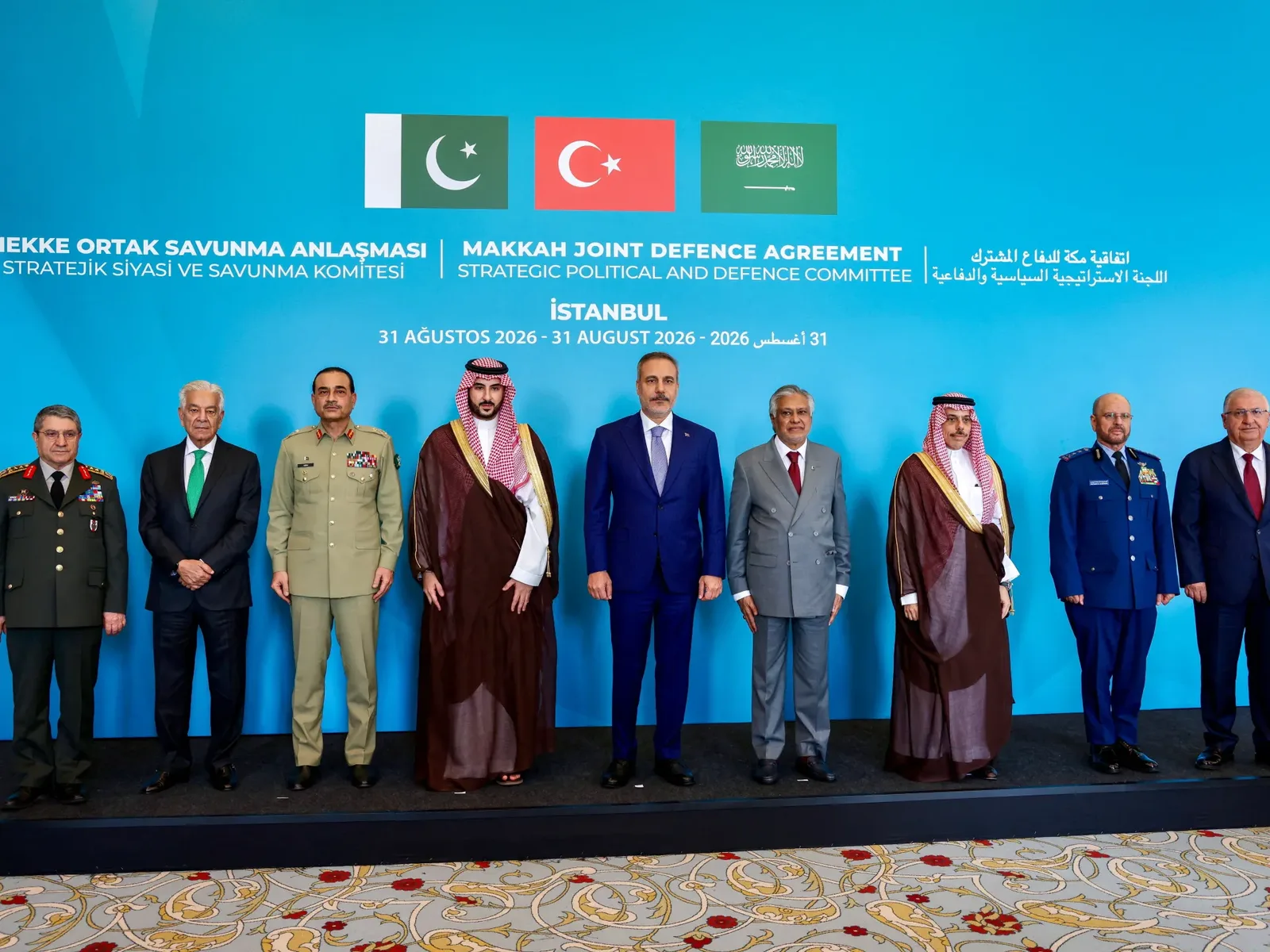
The Mecca Joint Defence Agreement emphasizes collective security among member states.
In a significant diplomatic move, officials from the Mecca Defence Alliance, comprising Saudi Arabia, Turkiye, and Pakistan, are set to convene in Tehran for high-level discussions on Monday. This meeting marks the first direct engagement between Iran and the alliance since the Houthi rebels intensified their assaults on Saudi territory last month.
The backdrop to this meeting includes a series of escalating conflicts in the region, particularly the Houthi attacks that have posed a growing threat to Saudi Arabia. The Iranian delegation will be led by Mohsen Rezaei, secretary of the Supreme National Security Council, while key figures from the alliance, including Saudi Defence Minister Khalid bin Salman Al Saud and Turkish intelligence chief Ibrahim Kalin, are expected to participate. This dialogue is seen as a crucial step towards addressing the ongoing crisis and fostering dialogue among the involved parties.
Ali Bagheri Kani, Iran's deputy security chief, expressed optimism about the talks, suggesting that they could lead to a more stable regional security framework. Rayed Krimly, Saudi Arabia's deputy minister for public diplomacy, confirmed the meeting's purpose, highlighting the alliance's commitment to de-escalation and diplomatic solutions, particularly in light of mediation efforts by Qatar and Pakistan. The discussions aim to reinforce the pivotal role of the Mecca Joint Defence Agreement in ensuring regional stability.
The timing of these talks is critical, as Houthi attacks have increasingly destabilized the region, complicating the broader US-Israel conflict with Iran. The Mecca Defence Agreement, signed in August, stipulates that an armed attack on one member is considered an attack on all, underscoring the collective security commitment among the nations involved. Recent military meetings among the alliance members have focused on rapid deployment capabilities to counteract these threats.
Looking ahead, the outcomes of the Tehran meeting could significantly influence the dynamics of regional security. As the situation evolves, further diplomatic engagements and military preparedness will likely be necessary to address the ongoing threats posed by the Houthi rebels and to stabilize relations among the involved nations.