Gyanesh Kumar's Role in Upcoming Delimitation Sparks Controversy
Chief Election Commissioner Gyanesh Kumar faces scrutiny as he is set to play a pivotal role in the delimitation process amid opposition allegations.
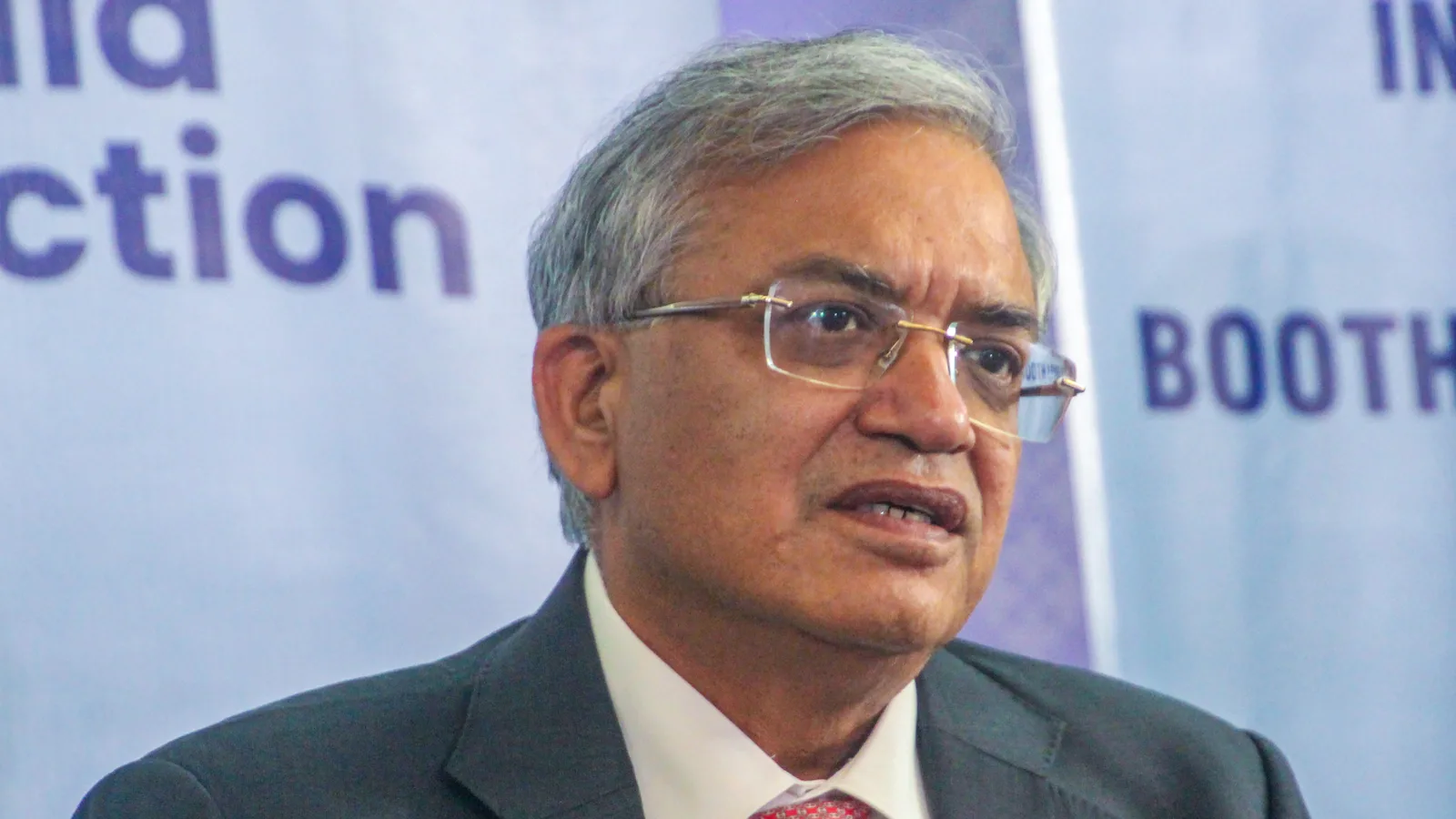
Gyanesh Kumar will be an ex officio member of the Delimitation Commission unless he nominates another commissioner.
Opposition leaders accuse Kumar of colluding with the government to manipulate electoral boundaries for the 2024 elections.
The Delimitation Commission's decisions will have the force of law and cannot be challenged in court.
Chief Election Commissioner Gyanesh Kumar is at the center of a political storm as he prepares to oversee the delimitation process in India, following the introduction of the Delimitation (Second) Bill, 2026 in Parliament. The bill, which aims to redraw electoral boundaries, has drawn sharp criticism from opposition leaders who claim that Kumar's involvement compromises the integrity of the electoral process. Kumar's position as an ex officio member of the commission has become a focal point for allegations of bias and collusion with the ruling government.
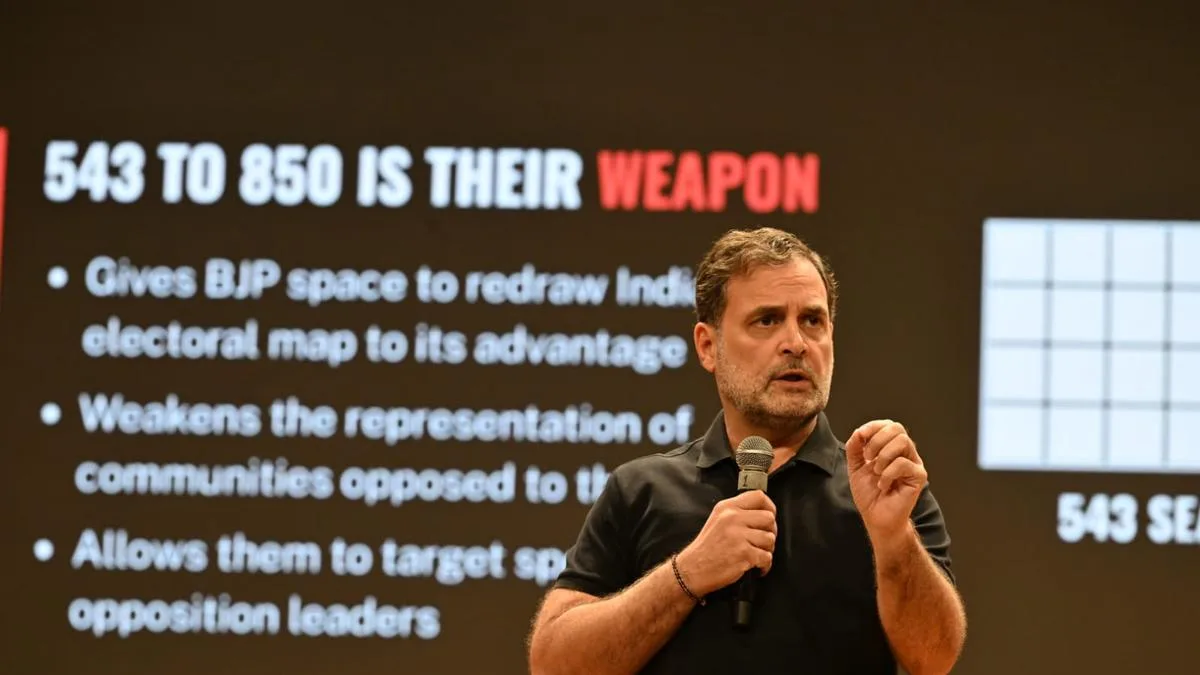
The backdrop to this controversy includes previous attempts by opposition parties to remove Kumar from his position, citing concerns over his impartiality. Rahul Gandhi, the Leader of the Opposition, has publicly accused Kumar of being part of a scheme to ensure Prime Minister Narendra Modi's victory in the upcoming 2024 Lok Sabha elections. This sentiment was echoed by Congress President Mallikarjun Kharge, who emphasized that free and fair elections are impossible under the current leadership.
The Delimitation (Second) Bill outlines that the commission will be chaired by a former Supreme Court judge, with Kumar or a nominated Election Commissioner serving as a member. Critics argue that this structure allows the government to exert undue influence over the commission's decisions. Gandhi has expressed concerns that the commission's composition will be manipulated to favor the ruling party, further undermining the electoral process.
The implications of the delimitation process are significant, as it will shape the political landscape ahead of the 2029 elections. The commission is expected to complete its work within two years, and its decisions will have the force of law, making them difficult to contest. The opposition fears that the government will use this opportunity to redraw boundaries in a way that disadvantages their parties, as has been alleged in previous delimitation exercises in states like Assam and Jammu and Kashmir.
Looking ahead, the political discourse surrounding the delimitation process is likely to intensify, especially as Parliament convenes for a special session to discuss the bill. With opposition leaders planning to challenge Kumar's role and the legitimacy of the delimitation process, the outcome of this legislative effort will be closely watched as it could have lasting effects on India's electoral framework.