France Proposes UN Security Council Meeting on Myanmar's ICJ Rejection
Following Myanmar's dismissal of the ICJ's genocide ruling, France aims to escalate the issue to the UN Security Council for potential action.
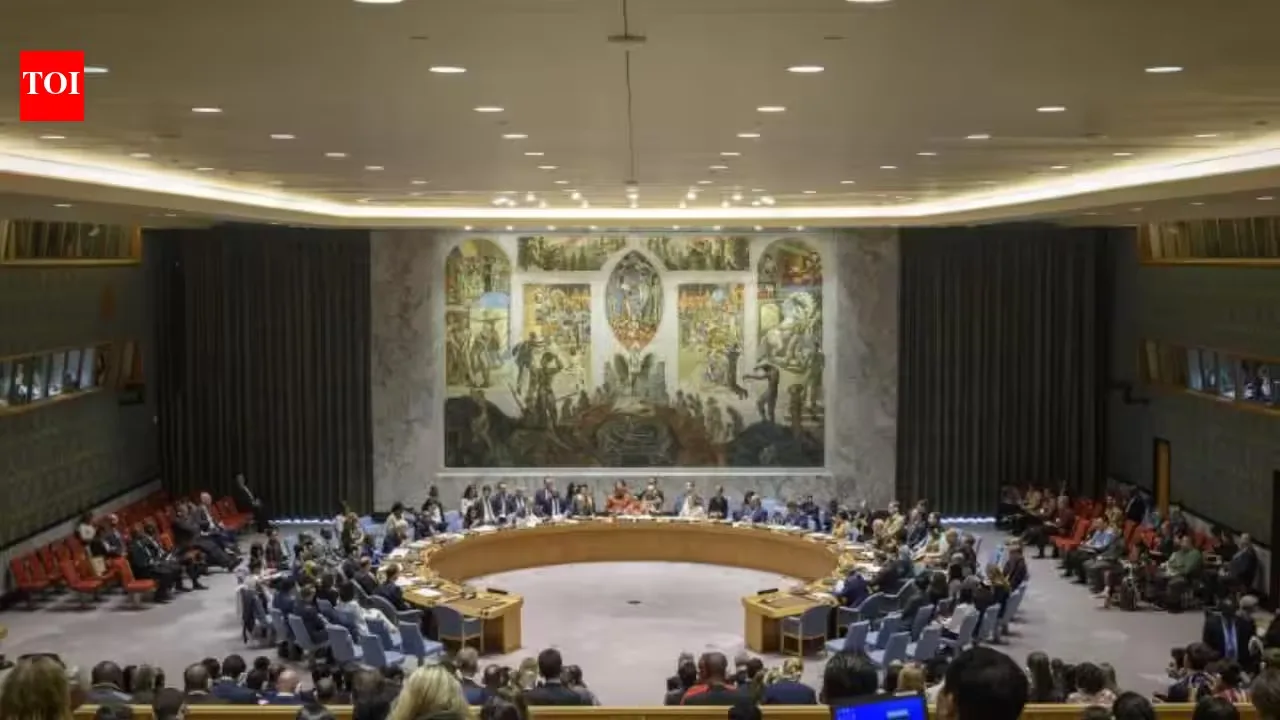
Myanmar has rejected the ICJ's ruling on genocide against the Rohingya.
France is seeking a UN Security Council meeting to address this non-compliance.
The Gambia can request intervention from the Security Council due to Myanmar's refusal to comply.
The ongoing dispute regarding the genocide of the Rohingya people by Myanmar has intensified after the International Court of Justice (ICJ) recently ruled that Myanmar is responsible for the atrocities committed in 2017. In a surprising move, Myanmar has dismissed this ruling, prompting France to take action by proposing to bring the matter before the United Nations Security Council. This diplomatic maneuver aims to address Myanmar's blatant disregard for the court's verdict.
France's foreign ministry has articulated its intention to convene a meeting of the UN Security Council following Myanmar's rejection of the ICJ's decision. The ministry emphasized that the rulings of the world court are binding and must be adhered to under international law. This situation underscores the importance of enforcing international judicial decisions and the role of the Security Council in ensuring compliance.
According to Article 94 of the UN Charter, all member states are required to comply with ICJ decisions. If a party fails to meet its obligations, the opposing party can seek the Security Council's intervention. In this case, The Gambia, which initiated the genocide case against Myanmar, may approach the council for action due to Myanmar's non-compliance with the ICJ ruling. The Security Council has the authority to recommend measures to enforce the judgment.
Historically, there have been instances where countries have sought the Security Council's intervention regarding non-compliance with ICJ rulings. For example, in 1986, Nicaragua requested the council's assistance after the United States ignored an ICJ ruling that found it had violated international law. However, the US vetoed the resolution, illustrating the challenges of enforcing ICJ decisions. Similarly, in 2002, Honduras sought intervention for compliance with a ruling regarding its territorial dispute with El Salvador, but the council did not recommend enforcement.
The current situation is further complicated by the presence of permanent members on the Security Council, particularly China and Russia, who maintain strong ties with Myanmar's military government. Any significant resolution would require at least nine votes in favor and no veto from the five permanent members. Thus, opposition from either China or Russia could effectively hinder any proposed actions aimed at enforcing the ICJ's ruling against Myanmar.