Election Commission Declines RTI on Software Used in Voter Roll Revision
The Election Commission of India has refused to disclose details of the software used in the Special Intensive Revision, citing trade secrets.
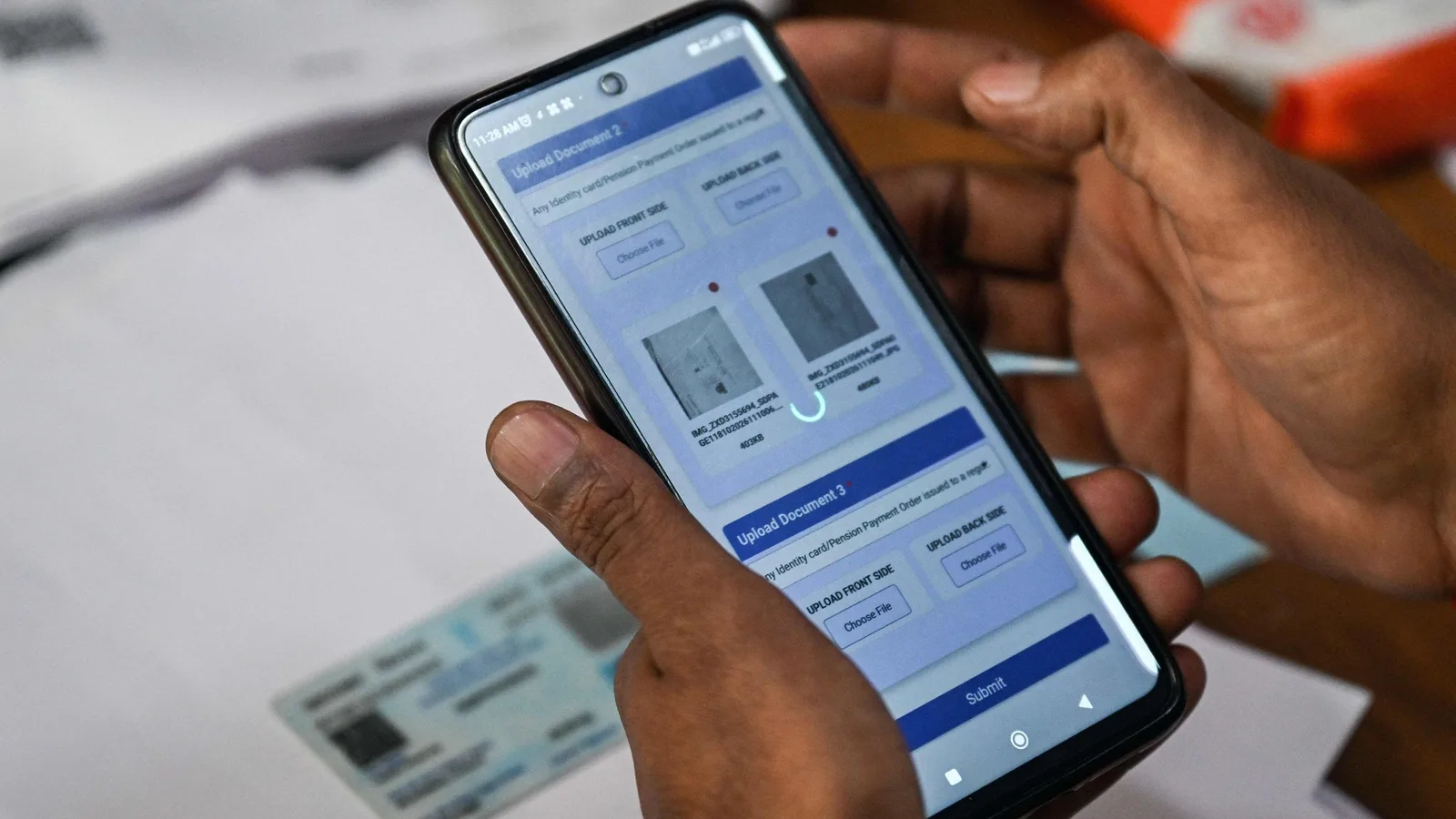
ECI claims software details are exempt under RTI due to trade secrets.
No new software was developed for the Special Intensive Revision process.
Concerns raised over the deletion of 130 million names from electoral rolls.
The Election Commission of India (ECI) has announced that it will not reveal the name or version of the software utilized for identifying discrepancies in voter rolls during the Special Intensive Revision (SIR) exercise. The Commission stated that such information is protected under the Right to Information (RTI) Act, as it pertains to commercial confidence and trade secrets.
This decision comes in response to an RTI request from MA Mujeeb Ayyub, a social activist from Karimnagar, Telangana, who sought information regarding the software's capabilities, including its ability to flag records for verification and the use of AI or machine learning in the process. The ECI clarified that no new software was developed or acquired for the SIR, asserting that electoral registration officers (EROs) are responsible for decisions regarding voter inclusion or exclusion based on existing records.
In its reply dated October 16, the ECI invoked Section 8(1)(d) of the RTI Act, which allows for the withholding of information that could harm a third party's competitive position. The Commission also stated that inquiries about the use of AI and safeguards against wrongful flagging do not constitute information as defined under Section 2(f) of the Act. Furthermore, the ECI cited Section 8(1)(g) to justify withholding details about who reviews flagged anomalies, claiming that disclosure could jeopardize personal safety.
The implications of this decision are significant, especially considering the ongoing scrutiny of the SIR process, which has already resulted in the removal of 130 million names from India's electoral rolls. Critics have raised concerns about the transparency and integrity of the electoral process, particularly in light of allegations of irregularities. Former Chief Election Commissioner OP Rawat suggested that the activist should appeal the ECI's decision to seek further clarity on the matter.
Looking ahead, the ECI faces mounting pressure to address these concerns and ensure the integrity of the electoral process. As the SIR continues, the Commission must navigate the balance between protecting proprietary information and maintaining public trust in the electoral system. Upcoming hearings or appeals related to this issue may further influence how the ECI manages its software and voter roll processes in the future.