Eisenkot Invites Likud for Coalition Talks Ahead of December Deadline
Former military chief Gadi Eisenkot reaches out to Netanyahu's Likud party to form a government as the December deadline approaches.
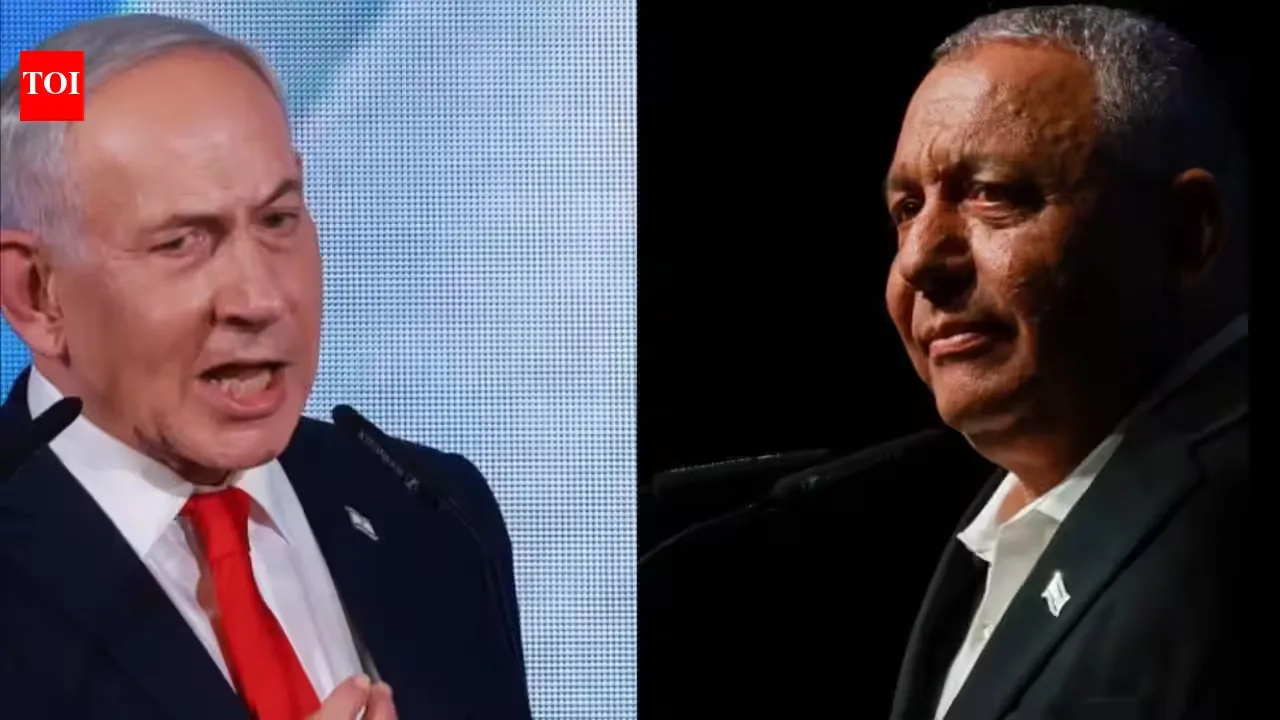
Gadi Eisenkot has invited Likud for coalition discussions starting November 22.
The October elections resulted in a fragmented Knesset with no clear majority.
Eisenkot aims for a national unity government while opposing Netanyahu's leadership.
Gadi Eisenkot, the former chief of the Israeli military, has officially invited Prime Minister Benjamin Netanyahu's Likud party to engage in coalition negotiations, set to commence on November 22. This initiative is critical as Eisenkot faces a looming December deadline to gather sufficient parliamentary support to establish a new government, potentially paving the way for a national unity administration.
The centrist Yashar party, led by Eisenkot, emphasized that this invitation demonstrates a sincere effort to create the broadest possible coalition. The party's negotiating team is preparing for extensive discussions with Likud representatives, aiming to resolve the ongoing impasse in government formation. Despite leading an anti-Netanyahu political faction, Eisenkot's outreach signifies a pragmatic approach to governance in a divided political landscape.
The recent elections, held on October 27, resulted in a fractured parliament where no bloc achieved the 61 seats necessary for a majority in the Knesset's 120-member assembly. Netanyahu's right-wing coalition secured 53 seats, while Eisenkot's opposition garnered 48. Additionally, Arab-majority parties claimed 19 seats, making them pivotal in any coalition discussions. The Likud party emerged as the largest individual party with 27 seats, followed closely by Yashar with 21.
Eisenkot's invitation to Likud is particularly noteworthy given his previous stance against serving in a government led by Netanyahu. However, he has expressed willingness to include Likud members in a coalition if he is appointed as prime minister. This potential arrangement could allow Netanyahu's party to participate in governance without him at the helm.
The political landscape remains complex, with Eisenkot's supporting factions divided on how to achieve the necessary parliamentary majority. Options include incorporating ultra-Orthodox parties into the coalition or forming a minority government with support from Arab parties. Meanwhile, former Prime Minister Naftali Bennett, a significant figure in the opposition, has endorsed the idea of a national unity government led by Eisenkot, while firmly rejecting any collaboration with Netanyahu. Eisenkot has until early December to finalize a government, with the possibility of a 14-day extension if needed, before the process may shift to another candidate or further negotiations.