Eighteen Years Post 26/11: India's Coastal Security Evolution
As India marks 18 years since the 26/11 attacks, significant advancements in coastal security and surveillance have been implemented.
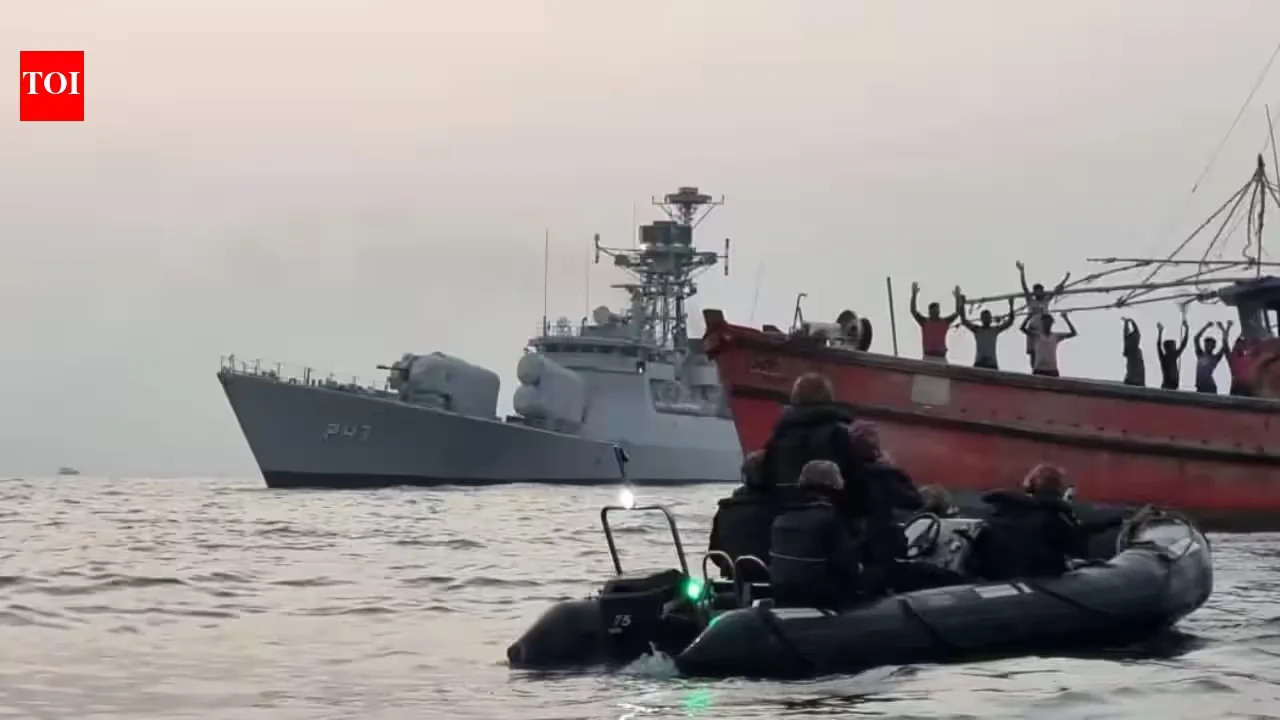
The navy has become the lead agency for maritime security since the 2008 attacks.
Integrated surveillance systems and regular exercises like Sea Vigil-26 enhance coastal readiness.
Challenges remain in tracking smaller fishing vessels and ensuring comprehensive maritime coverage.
Eighteen years after the devastating Mumbai attacks on November 26, 2008, India has made substantial strides in securing its coastal frontiers. The attacks, which resulted in the deaths of 166 individuals, highlighted critical deficiencies in maritime surveillance and intelligence coordination. In response, the Indian Navy was designated as the primary agency for maritime security, overseeing both coastal and offshore security measures. The Coast Guard was tasked with coordinating security within territorial waters, while state marine police focused on shallow coastal areas.
To bolster response capabilities and coordination among various agencies, the Navy conducts regular exercises such as Sea Vigil-26. This nationwide drill, held from November 11 to 19, tested the preparedness of the Navy, Coast Guard, coastal police, customs, and other entities responsible for safeguarding the coastline and the Exclusive Economic Zone (EEZ). The involvement of fishing and coastal communities in these exercises underscores their vital role in identifying suspicious activities at sea.
A significant advancement in maritime security has been the establishment of an integrated surveillance and information-sharing network. The Information Management and Analysis Centre (IMAC), operational since 2014 in Gurugram, plays a crucial role in collecting and analyzing maritime security data. It utilizes coastal radars, Automatic Identification System (AIS) transmissions, and intelligence inputs to create a comprehensive operational picture and identify suspicious vessels. Additionally, the Information Fusion Centre for the Indian Ocean Region, launched in 2018, enhances information exchange with regional and international partners.
The coastal surveillance network, according to the Coast Guard, comprises static sensor stations equipped with radars, AIS, and cameras at 46 locations along the coast and islands. Plans for a second phase include adding 38 more radar stations and eight mobile surveillance systems. Regular inspections of fishing vessels are conducted to verify their identity and registration, yet challenges persist in tracking smaller boats that often lack AIS transponders, leaving gaps in maritime awareness.
The evolving nature of threats since 2008 necessitates a comprehensive approach to coastal defense. While infiltration via fishing boats remains a concern, new challenges include unmanned surface vessels, underwater drones, and potential attacks on critical infrastructure. Recent conflicts have demonstrated the vulnerability of high-value targets to low-cost unmanned platforms. Therefore, future coastal defense strategies must incorporate sensors capable of monitoring surface, aerial, and underwater domains. Coordination among various agencies, including the Navy, Coast Guard, marine police, and intelligence bodies, remains essential for effective response and information sharing.