Dussehra Celebrations Across India Highlight Triumph of Good Over Evil
Millions participate in Dussehra festivities, showcasing diverse rituals and the symbolic burning of effigies.
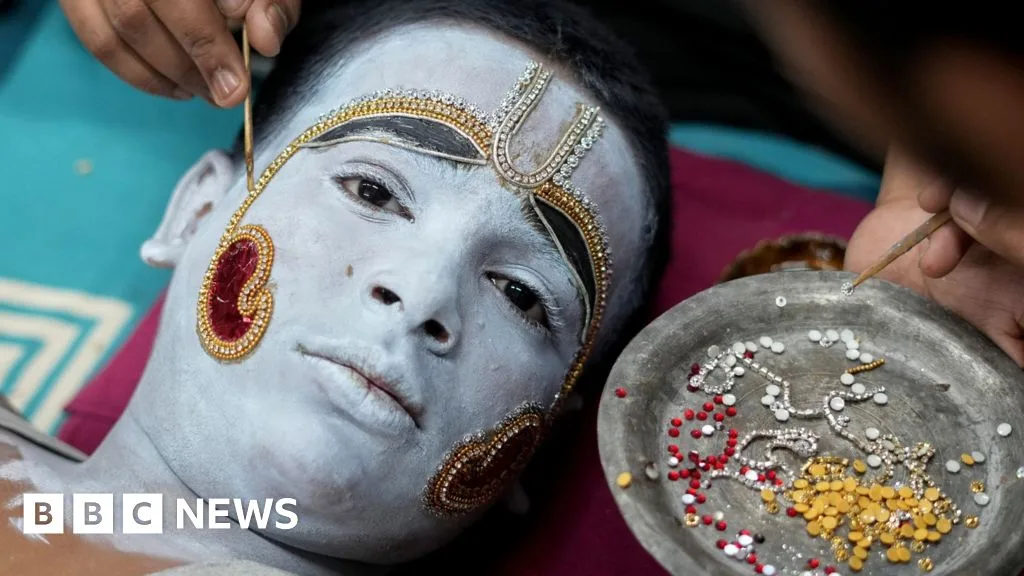
Dussehra is celebrated nationwide, marking Lord Ram's victory over Ravan.
The festival coincides with Vijayadashami and includes various regional traditions.
Dussehra also signals the onset of Diwali preparations, celebrated 20 days later.
Dussehra, one of India's most significant Hindu festivals, is being celebrated by millions across the country, marked by vibrant processions, prayers, and the ceremonial burning of effigies that symbolize the victory of good over evil. This year, the festival has seen grand celebrations in various states, each showcasing unique rituals and traditions that reflect the cultural diversity of India.
The festival commemorates the legendary victory of Lord Ram over the demon king Ravan, a narrative rooted in the ancient Hindu epic, the Ramayana. Dussehra also coincides with Vijayadashami, particularly celebrated in eastern and southern India, which honors the goddess Durga's triumph over the buffalo demon Mahishasura. This dual significance enriches the festival's cultural tapestry, making it a time of joy and reflection for Hindus.
In the days leading up to Dussehra, especially in northern India, the Ramlila performances take center stage. These dramatic reenactments depict key events from the Ramayana, including Ram's exile and Sita's abduction by Ravan, culminating in the epic battle that signifies the triumph of good. The festivities traditionally conclude with the burning of effigies representing Ravan, his brother Kumbhkaran, and son Meghnath, accompanied by a lively carnival atmosphere featuring food stalls and entertainment.
In eastern India and among the Hindu communities in Bangladesh, Dussehra is intertwined with Durga Puja celebrations, where devotees honor the divine feminine. Temporary structures, known as pandals, are erected to house idols of Goddess Durga, depicting her victory over Mahishasura. The celebrations often incorporate contemporary themes, reflecting current societal issues, particularly in Kolkata, which is renowned for its elaborate Durga Puja festivities.
As Dussehra concludes, it also marks the beginning of preparations for Diwali, the festival of lights, which occurs approximately 20 days later. This transition from Dussehra to Diwali is a significant period for many, as families begin to prepare for the upcoming celebrations that symbolize hope, prosperity, and the triumph of light over darkness.