Delhi Police Detain 3,000 Amid Protests Against Election Chief
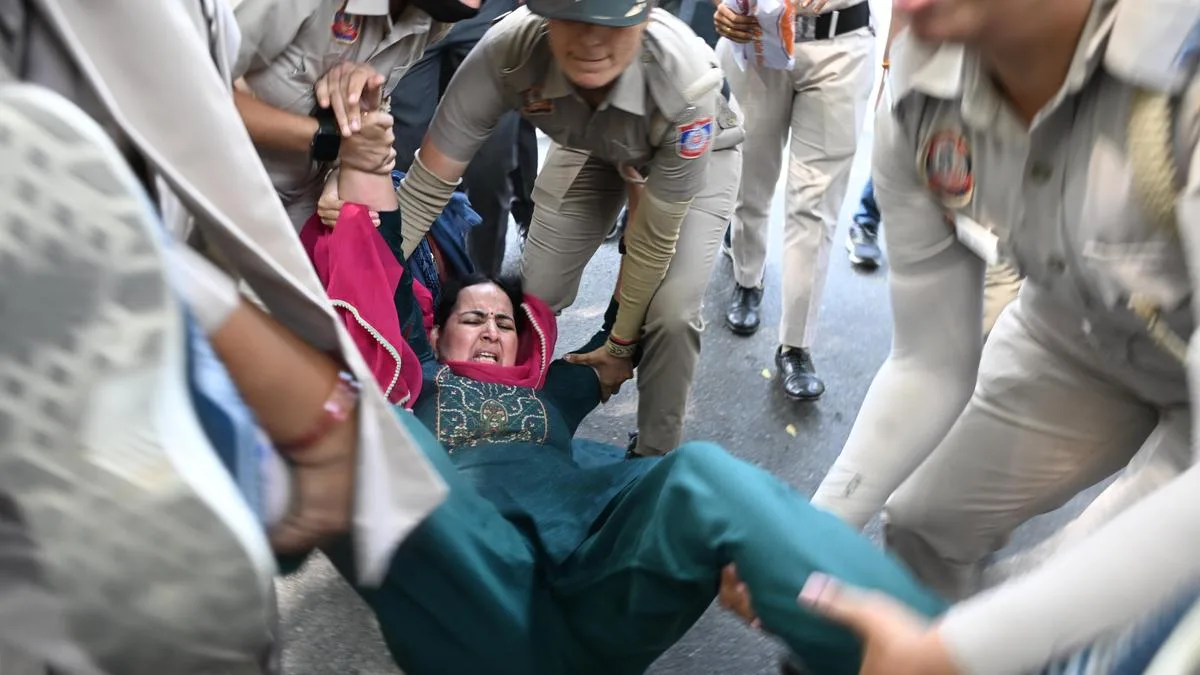
A massive protest in Delhi saw police detaining nearly 3,000 individuals, including political leaders, as tensions rise over electoral integrity.
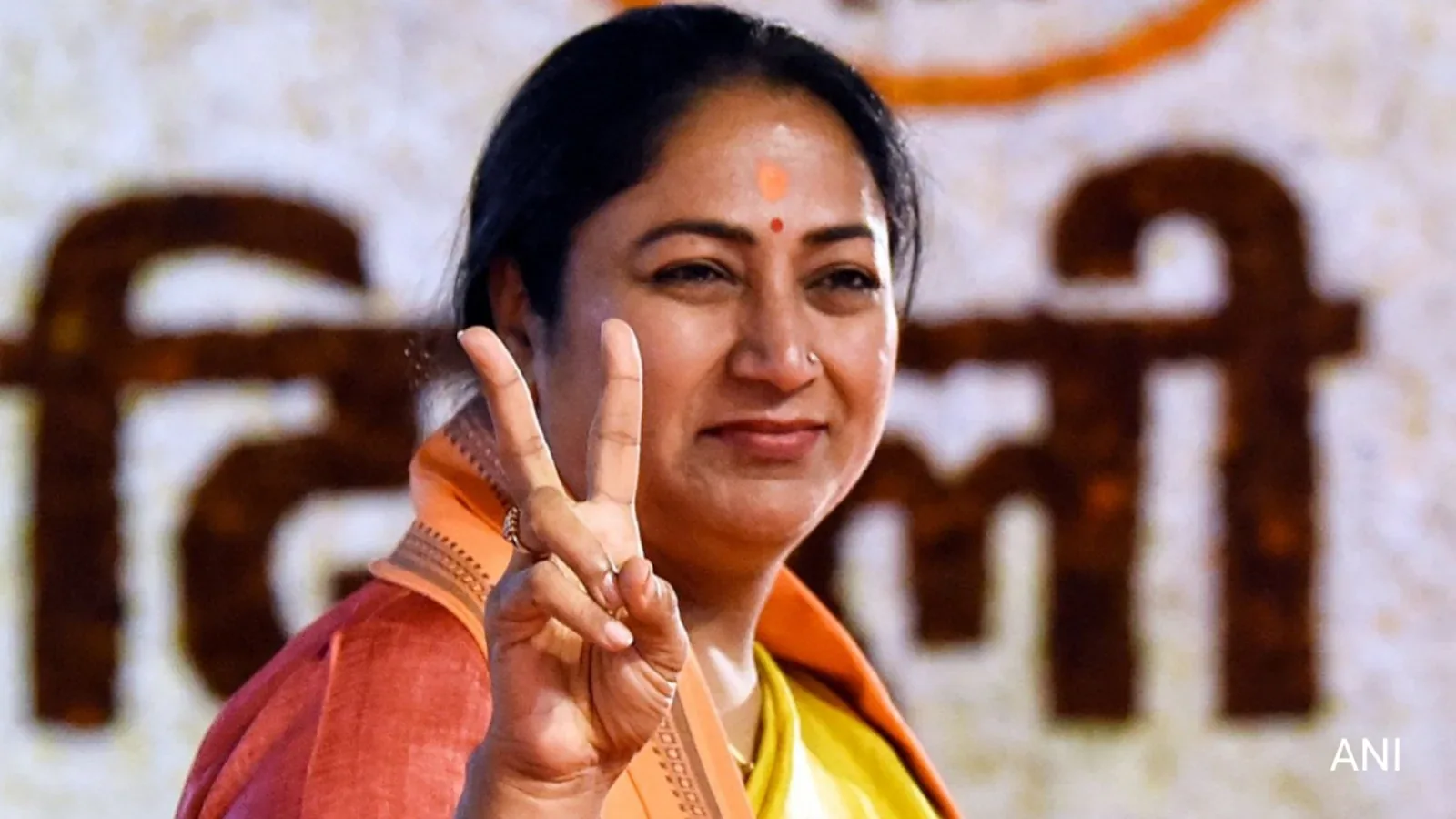
Delhi Chief Minister Rekha Gupta blames Rahul Gandhi and Arvind Kejriwal for escalating political tensions.
Nearly 3,000 people were detained during protests demanding the resignation of Chief Election Commissioner Gyanesh Kumar.
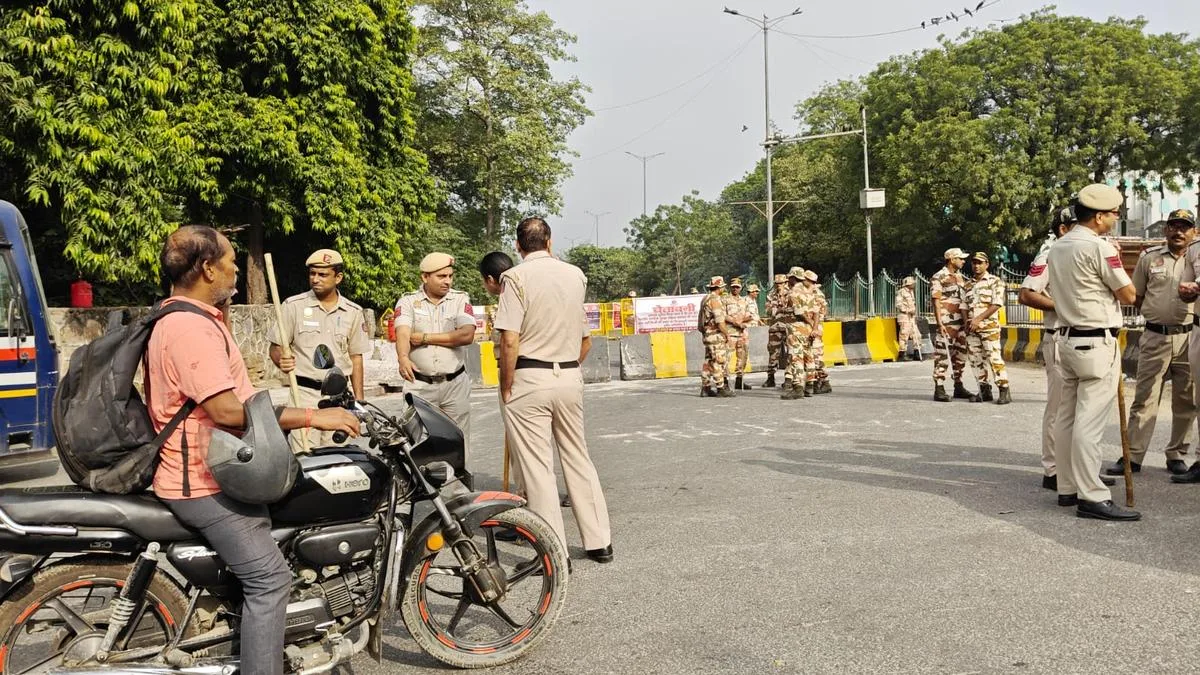
Restrictions on public transport and internet services were imposed, leading to significant disruptions across the city.
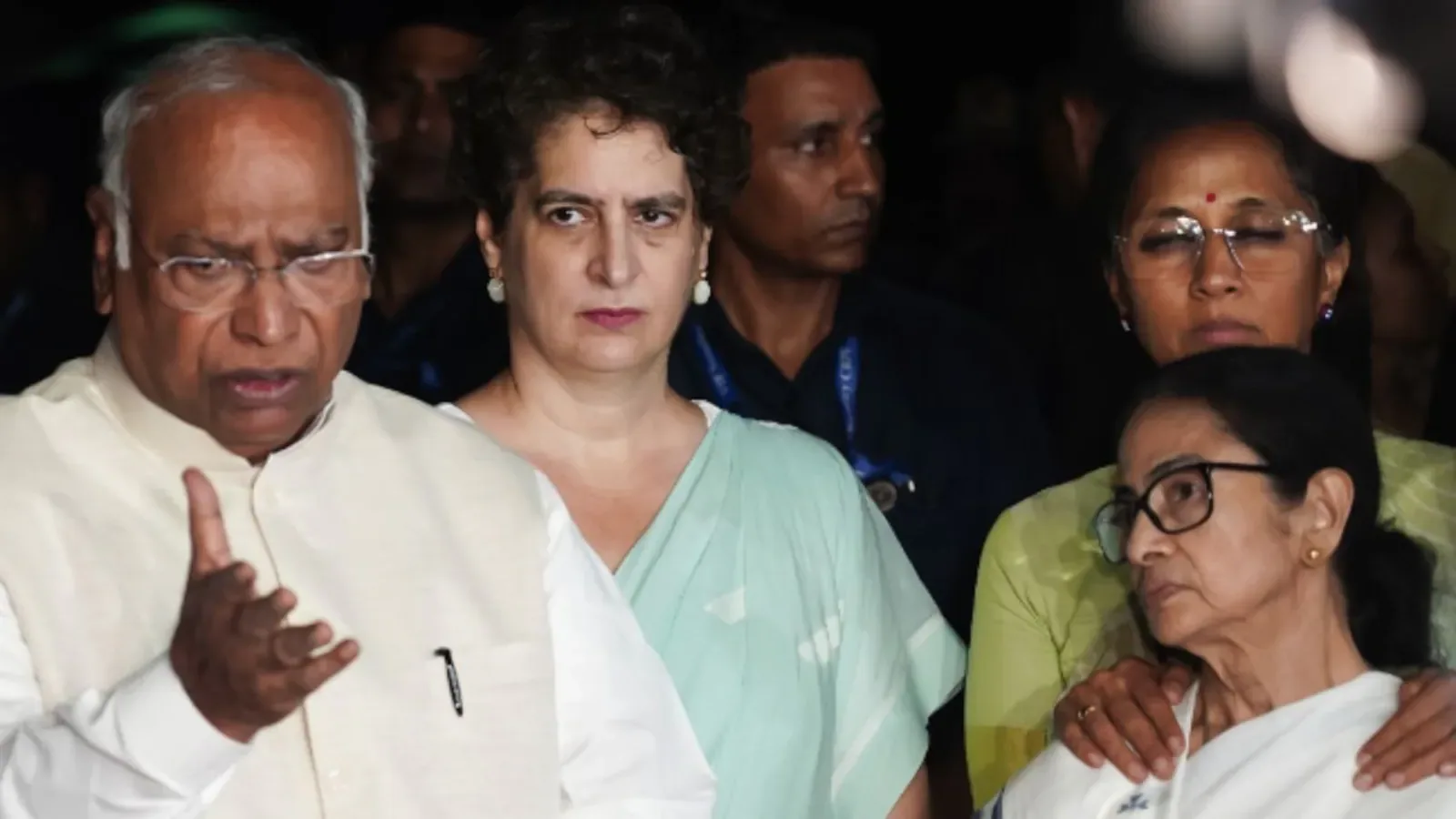
In a significant political upheaval in Delhi, nearly 3,000 individuals were detained by police as protests erupted against Chief Election Commissioner Gyanesh Kumar on Saturday. The protests, organized by the Cockroach Janta Party (CJP), aimed to voice concerns over alleged electoral irregularities. The situation escalated as police intervened, leading to the detention of several political leaders, including former chief ministers, and imposing restrictions on public transport throughout the city.
The backdrop to this unrest lies in the ongoing political rivalry in Delhi, particularly between the ruling party and the opposition, which includes Congress and the Aam Aadmi Party (AAP). Chief Minister Rekha Gupta accused Rahul Gandhi and Arvind Kejriwal of using the protests as a platform to express their frustrations over repeated electoral defeats. She claimed that their actions were turning the national capital into a political battleground, adversely affecting the daily lives of ordinary citizens.
Gupta's remarks were pointed, as she questioned the motivations of opposition leaders, stating, "Why are these leaders hell-bent on taking out their frustration over non-stop defeats on the public?" She highlighted the chaos caused by the protests, which disrupted the lives of office-goers and daily wage workers. Gupta emphasized that political ambitions should not overshadow the safety and peace of Delhi's residents.
The implications of this protest extend beyond immediate political rivalries, as the restrictions imposed by authorities led to significant disruptions in public transport. Entry and exit points at 45 Delhi Metro stations were closed, resulting in the cancellation of over 250 trains. Internet services were also suspended in parts of central Delhi, contributing to widespread inconvenience. The Supreme Court questioned the extent of these restrictions, suggesting that while security measures are necessary, they should not completely paralyze essential public transport.
Looking ahead, the political landscape in Delhi remains tense as the government and opposition continue to clash over electoral issues. With the Supreme Court's scrutiny of the restrictions and ongoing public discontent, the situation may evolve further. The CJP has indicated plans to continue their agitation, with leadership responsibilities shifting to Ajinkya Shinde following the detention of key figures. The coming days will be critical as both sides navigate this charged political environment.