Delhi Police Detain Over 2,500 Protesters Amid Crackdown on March
A significant police operation in Delhi led to the detention of more than 2,500 individuals as protests against the Election Commission escalated.
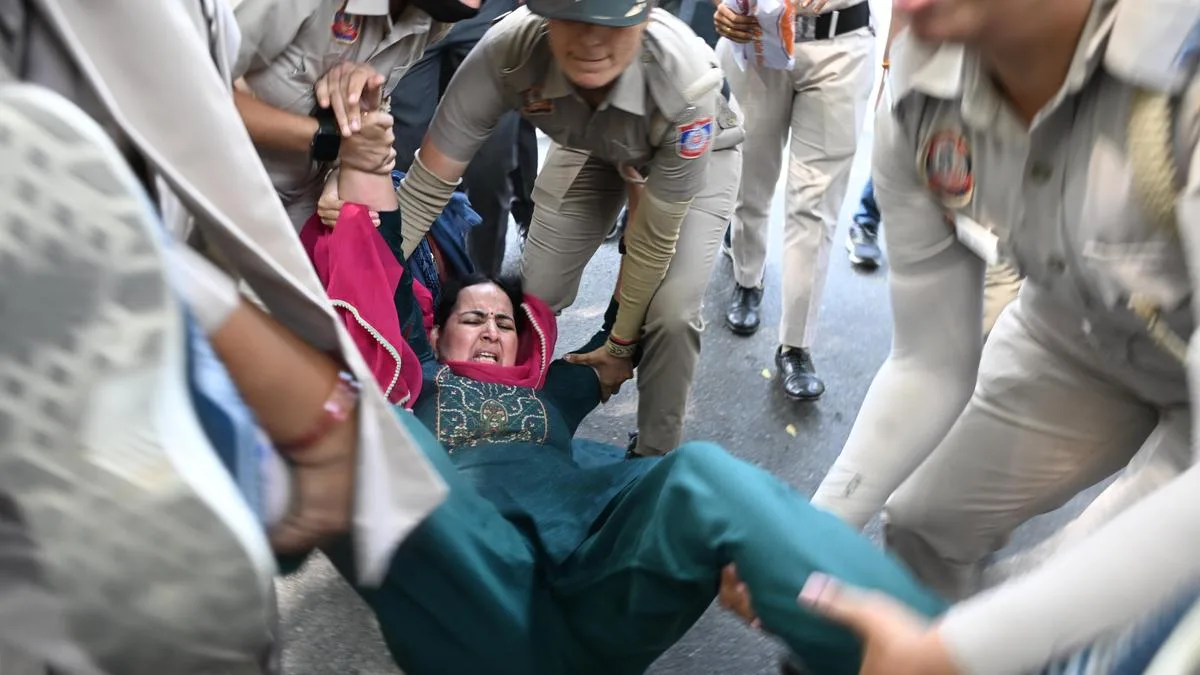
Over 2,500 protesters were detained by Delhi Police during anti-CEC demonstrations.
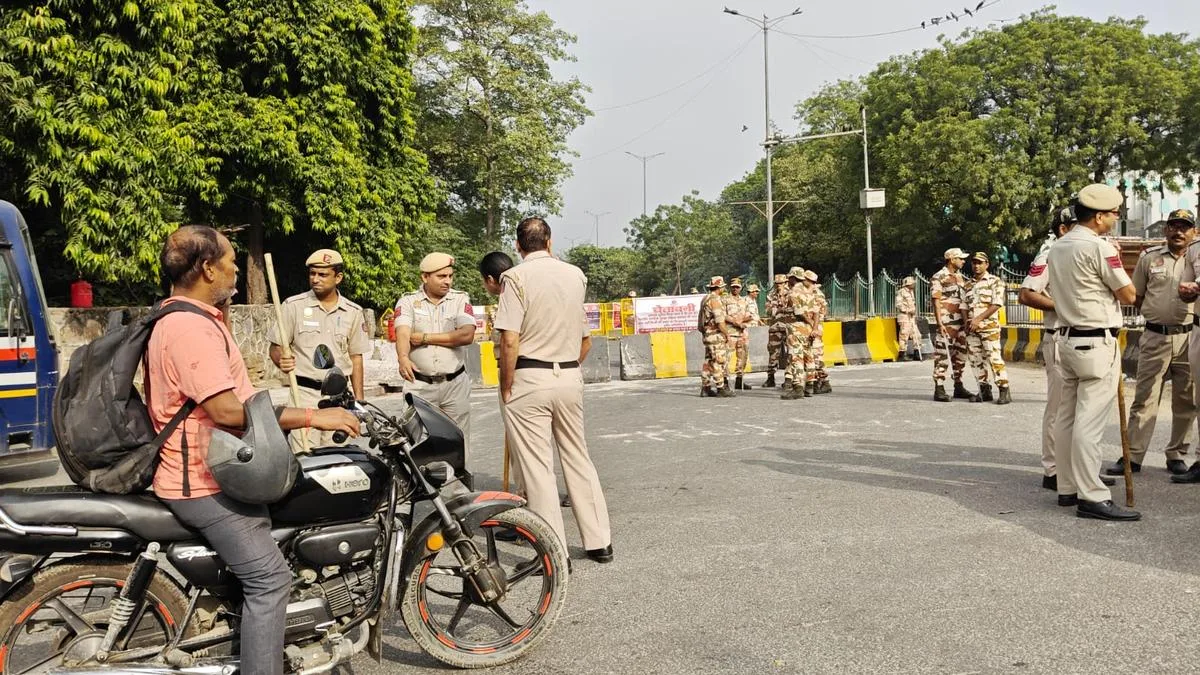
Heavy police presence and barricades were established across central Delhi, restricting access to key areas.
Protesters reported aggressive tactics by police, including physical confrontations and excessive force.
In a significant escalation of tensions, Delhi Police detained over 2,500 protesters on October 10 during a crackdown on demonstrations against the Election Commission of India (ECI). The protests, organized by various youth groups, were initially intended to culminate at Jantar Mantar but were thwarted by heavy police barricades and a substantial deployment of security forces throughout central Delhi.
The situation in the capital was marked by widespread restrictions, with metro stations, schools, and markets closed as authorities enforced Section 163 of the Bharatiya Nagarik Suraksha Sanhita. Loudspeaker announcements urged citizens to comply with police directives to maintain order, as protesters attempted to gather in various locations, including Safdarjung flyover and Raj Ghat.
Despite the police presence, hundreds of demonstrators, including women and children, attempted to reach the protest site. Many were swiftly detained and transported to makeshift detention centers on the outskirts of the city. Eyewitness accounts detailed aggressive police tactics, including physical confrontations with protesters, as officers forcibly removed individuals from the streets and into buses. Reports of injuries among both detainees and police personnel emerged amid the chaos.
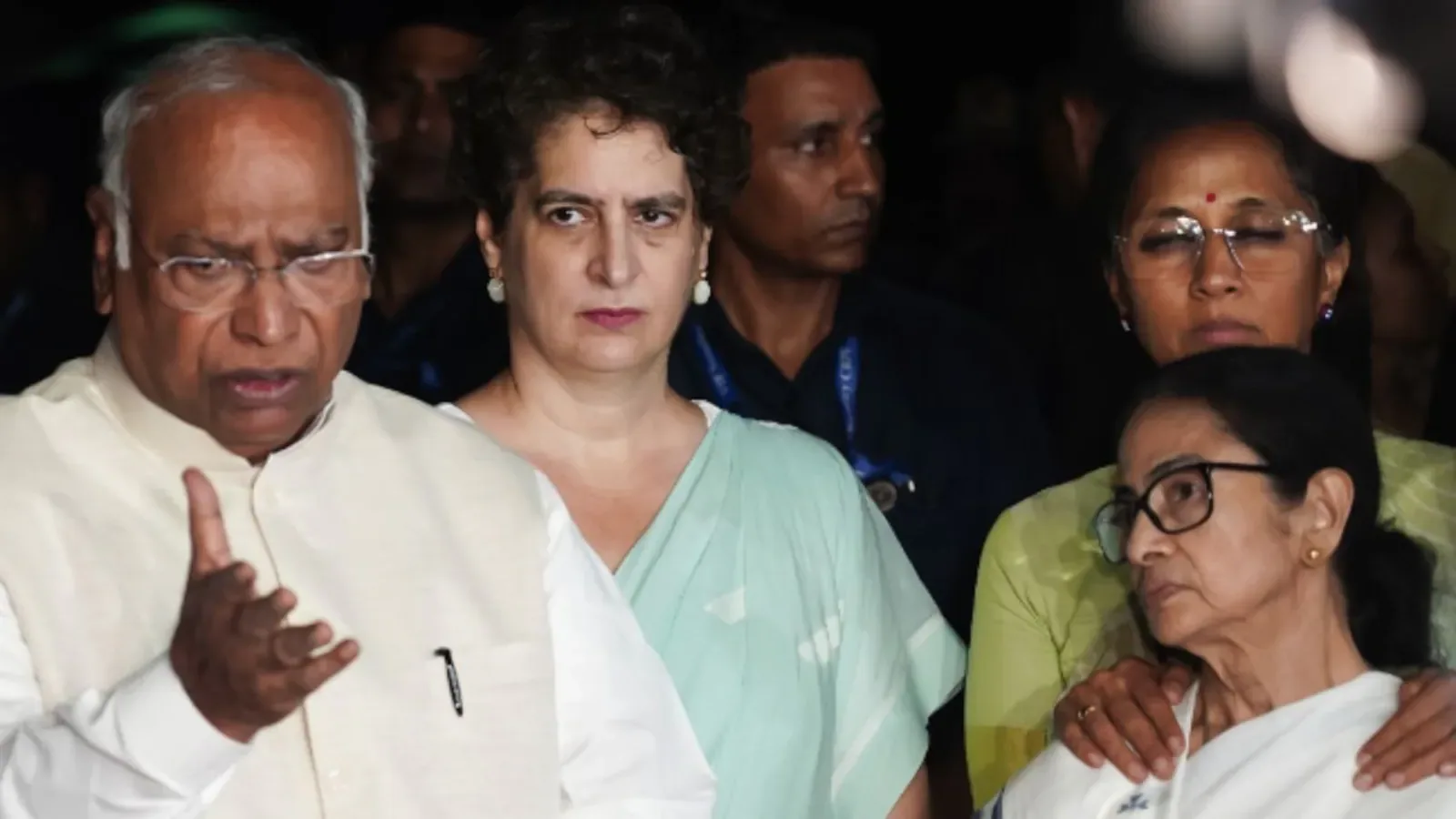
The implications of this crackdown extend beyond the immediate protests, raising concerns about civil liberties and the right to assemble in India. The aggressive response from law enforcement has sparked criticism from various quarters, including political leaders and activist groups, who argue that such measures undermine democratic processes and freedoms. The events have also drawn attention to the broader issues surrounding the ECI and its role in the electoral process.
Looking ahead, the situation remains fluid as protests continue in various forms. Activists have vowed to persist in their demonstrations, with some leaders announcing hunger strikes and other forms of civil disobedience. The coming days may see further developments as the government and police respond to ongoing public dissent and calls for accountability regarding the treatment of protesters.